
How to Identify Counterfeit Watches: A Practical Checklist
Documentation, movement details, serial references and independent authentication: how to approach a watch purchase with evidence.
Read the story ↗THE KNOWLEDGE HUB
Understand movements, dimensions, materials and authenticity. Practical watch education written for clearer decisions, not marketing promises.
FEATURED GUIDE / AUTHENTICATION
Documentation, movement details, serial references and independent authentication: how to approach a watch purchase with evidence.
Read the guide ↗
YOUR WATCH REFERENCE LIBRARY
Documentation, movement details, serial references and independent authentication: how to approach a watch purchase with evidence.
Read the story ↗
A neutral glossary of names appearing in watch-replica discussions, with context on unverifiable claims and trademark risks.
Read the story ↗An editorial look at grading claims, super-clone language and why evidence matters more than labels.
Read the story ↗Every technical claim on a "top-tier cloned watches" listing starts as marketing. Which ones to verify, how, and in what order.
Read the story ↗Reports that attach evidence get acted on. The seven-step checklist for reporting a suspected counterfeit listing.
Read the story ↗If you discover a watch is counterfeit, the records you keep decide what reselling it means legally. The terms and evidence that matter.
Read the story ↗Deceptive listings get edited or deleted fast. What to screenshot, archive, and save before you contact the seller.
Read the story ↗Trademark infringement and customs seizure are the sharpest risks of a deceptive listing. The records that prove what you were told.
Read the story ↗
Seventy years of revisions: why the Submariner's model year decides which dial, bezel and case details are correct, era by era.
Read the story ↗Warranty card photos are the weakest evidence in any listing. A decision framework for weighing papers and provenance claims on AAA-grade pieces.
Read the story ↗A caseback photo proves only that an engraving exists. A checklist for what caseback images can verify, and the checks no picture can make.
Read the story ↗Photographs catch the worst dial flaws but cannot confirm typography or logo accuracy. What a macro shot does and does not settle on watches sold under the AAA-grade label.
Read the story ↗Version numbers and batch labels are marketing; genuine reference numbers are checkable. How to tell them apart in a listing.
Read the story ↗
Grade inflation, seller rebranding, translation drift, and platform filters: the four forces that keep forum terminology moving.
Read the story ↗Factory nicknames are unverifiable seller labels. Here is why forums attribute the same watch to different factories.
Read the story ↗
Three competing back-stories for the AAA label, why forums disagree, and what the disagreement says about the grade.
Read the story ↗A five-step sequence for reporting a suspicious BV factory listing: evidence first, platform report second, records last.
Read the story ↗Reselling a counterfeit watch is illegal even with disclosure. Here is the evidence each decision point requires.
Read the story ↗
The screenshot, message, payment, and customs records that hold up when a BV factory listing turns out to be deceptive.
Read the story ↗Which listing claims count as misleading, why screenshots beat saved links, and how long to keep the evidence file.
Read the story ↗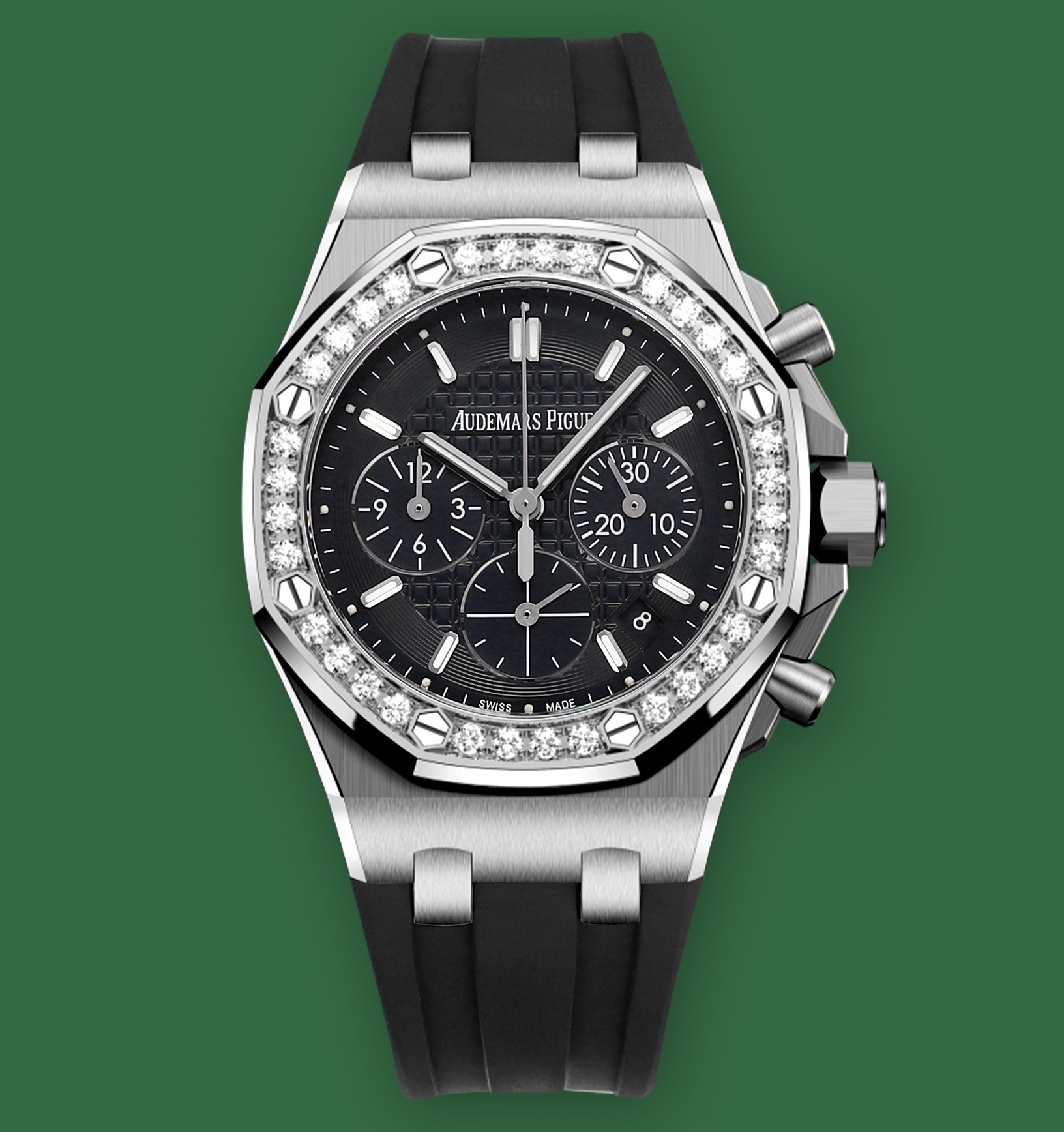
Royal Oak references encode generation and year, from the 1972 5402 to the 2022 16202. See why a reference matters more than the BV label.
Read the story ↗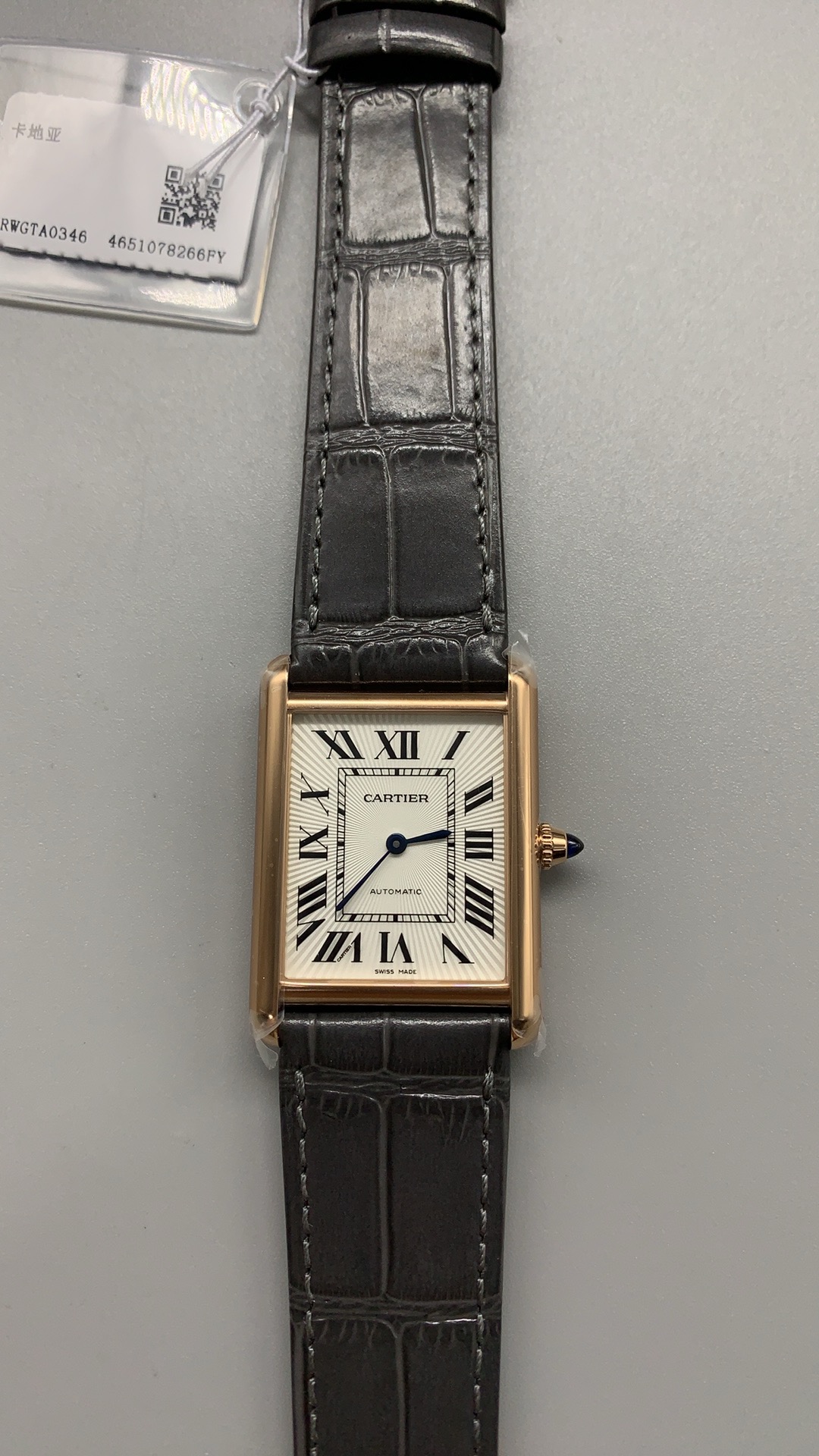
Cartier retires and revives lines at known dates, so a yearless forum claim cannot pin down movement or case. Follow this decision guide before acting on a BV Cartier association.
Read the story ↗Omega redesigns the Seamaster at known points, so a model year pins down the dial, case and movement. Use this checklist before trusting a BV-attributed model name.
Read the story ↗Rolex changes references at known years, and each change redefines what a listing should show. Here is why the model year anchors a BV factory Rolex claim.
Read the story ↗Case, crystal and bezel claims under the BV label vary because the label has no spec sheet. Here is how to read material claims on forum listings.
Read the story ↗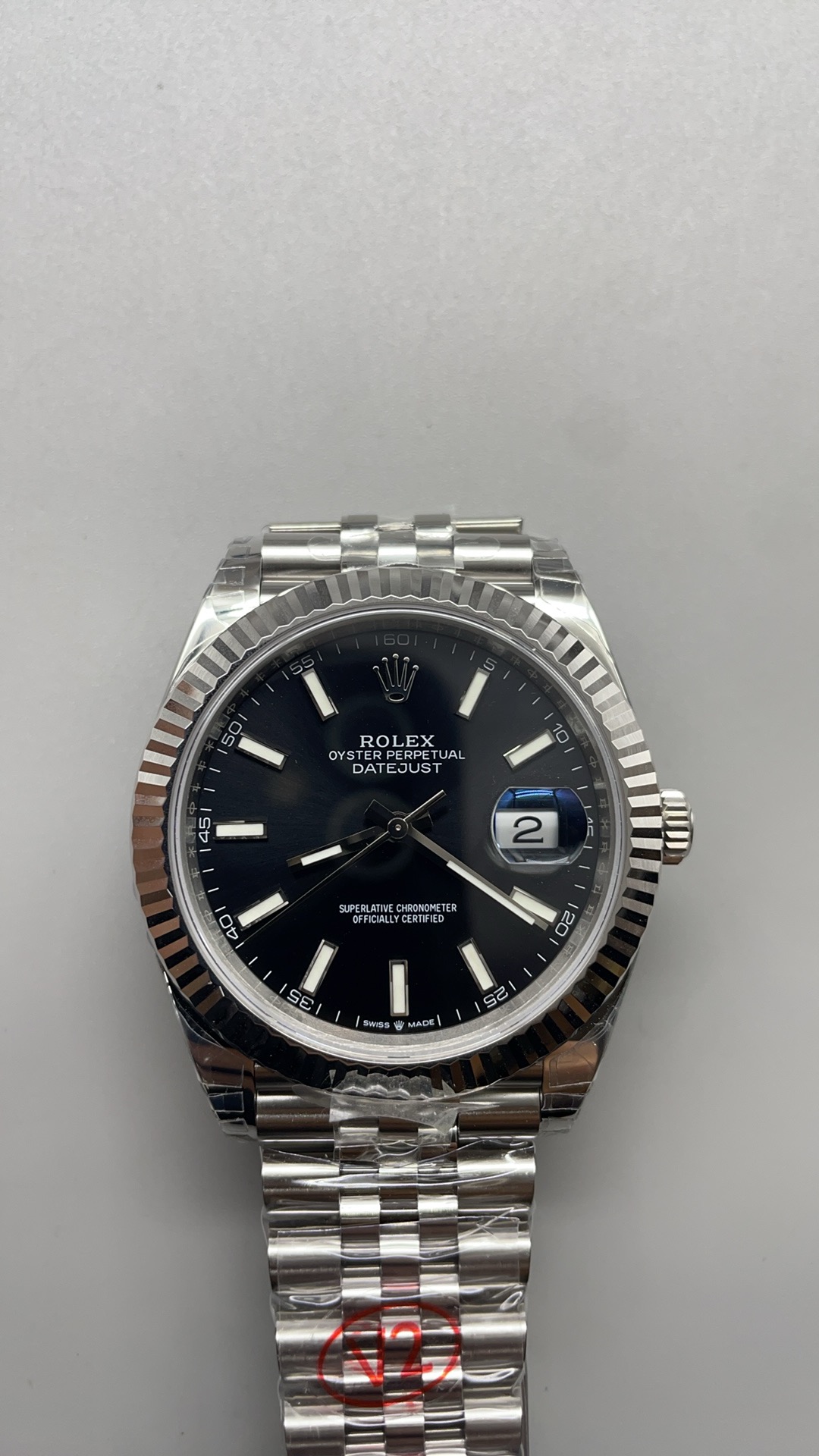
A side-by-side look at what compressed photos, macro shots, and in-hand inspection reveal about caseback engravings.
Read the story ↗A checklist for weighing warranty card photos and provenance claims, and why documents need a verifiable chain.
Read the story ↗
What listing photos can and cannot establish about serial numbers and reference markings, with a risk ladder for photo-only checks.
Read the story ↗Why dial typography and logo positioning cannot be certified from photos, and which checks images can still support.
Read the story ↗How factory slang drifts between forums, languages, and sellers, and what the drift means for anyone reading a BV listing.
Read the story ↗
A practical checklist for reading BV batch and model tags, and the questions to put to a seller before paying.
Read the story ↗Why forums give conflicting origin stories for the BV factory nickname and grade, and how to read those labels without treating them as facts.
Read the story ↗Factory affiliation claims are seller statements with no public record behind them. Here is how to weigh one before buying.
Read the story ↗
BV factory is a forum label, not a spec sheet. The technical claims that need independent checks, and how to run them.
Read the story ↗Capture first, report second. The evidence set for reporting a suspected counterfeit listing and the paths that use it.
Read the story ↗The evidence checklist that protects an honest resale position when a purchased watch turns out to be an unauthorized copy.
Read the story ↗A glossary of the listing phrases that mislead, from 1:1 to Swiss movement, and why the exact wording is the evidence worth saving.
Read the story ↗The records to keep when a NOOB-labeled listing raises trademark or import questions: listings, messages, payments, and shipping labels.
Read the story ↗
Cartier reuses names across a century of models. A decision guide for forum posts pairing Cartier models with the NOOB label.
Read the story ↗How Audemars Piguet's generational updates to Royal Oak references make the model year the fastest check on a NOOB-labeled listing.
Read the story ↗Rolex names span decades of references. Why year and reference are the fastest consistency check on listings that invoke the NOOB label.
Read the story ↗Warranty card photos prove a card exists, not that it is genuine or matches the watch. What provenance terms mean in gray-market and NOOB-labeled listings.
Read the story ↗A photo can rule out gross dial errors but cannot verify typography or logo placement. What the NOOB factory label does and does not let a buyer confirm from images.
Read the story ↗Most modern Rolex sports models left the factory with a plain caseback. A checklist for reading engraving and hallmark photos on NOOB-labeled watches.
Read the story ↗Why a photograph documents markings but cannot verify them — and what a serial photo does and doesn't prove for NOOB-style watches.
Read the story ↗Why NOOB factory vocabulary — versions, movement tags, nicknames — keeps shifting across forums and languages.
Read the story ↗How to read a NOOB factory listing name: factory tag, borrowed reference, version number, and movement label, decoded.
Read the story ↗Why 'real NOOB factory' affiliation claims cannot be verified by anyone, including the forums that repeat them.
Read the story ↗The competing forum stories behind the NOOB factory nickname, and why none of them can be confirmed.
Read the story ↗The evidence to gather before reporting a suspected counterfeit VS factory listing on a platform, to a brand, or to customs.
Read the story ↗A claim-by-claim look at NOOB factory technical marketing: movement labels, 904L steel, ceramic bezels, and what actually verifies each one.
Read the story ↗A decision guide on resale disclosure: the records and wording to keep when a VS factory watch changes hands.
Read the story ↗Which evidence to preserve when a VS factory watch listing's claims turn out false: claim text, screenshots, chat exports, and the delivered watch.
Read the story ↗A record-keeping checklist for anyone who suspects a VS factory watch listing crossed trademark or import lines: what to screenshot, save, and store.
Read the story ↗Cartier reuses names like Tank and Santos across decades, so the year decides size, movement and strap system. A decision guide for forum claims about Cartier models.
Read the story ↗
An AP reference locks in the year, the case size and the caliber. Learn to read Royal Oak references and catch impossible pairings in VS factory listings.
Read the story ↗An OMEGA reference locks in the model year, the movement and the dial layout. Use this five-step checklist to test VS factory listings before you trust them.
Read the story ↗No shared testing standard exists behind VS factory water resistance claims. Here is what a depth rating means, where sealing variance enters, and a safe rule for unverified seals.
Read the story ↗Rolex reference numbers are tied to model years. See the reference cheat sheet that exposes year, dial and movement mismatches in VS factory listings.
Read the story ↗A photo of a warranty card proves the card exists, not that it belongs to the watch. Here is how to weigh paper evidence.
Read the story ↗Engraving depth and metal fineness marks cannot be judged reliably from photos alone. Here is when images are enough.
Read the story ↗Macro photos help compare dial printing and logo placement but cannot authenticate a dial. Here is what pictures distort.
Read the story ↗A photo can document a serial or reference marking but cannot verify it. Here is what images prove and which checks actually settle the question.
Read the story ↗Version markers like V2 or V3 and batch labels for VS watches are seller-created shorthand. Here is how the naming conventions drift.
Read the story ↗The VS label has shifted meaning across forums as sellers relabel and communities retell its history. Here is why the terminology drifts.
Read the story ↗Ownership and production-line claims about the VS factory label differ from forum to forum, and none of them can be verified. Here is how to read them.
Read the story ↗Forums give conflicting origin stories for the VS factory label because no official record of it exists. Here is why the nickname never gets settled.
Read the story ↗No brand recognizes top-tier cloned watches as a designation. Where tier labels come from and why they cannot be verified.
Read the story ↗Reports work because platforms act on specifics. Where a suspected counterfeit watch listing can be reported, and what to include.
Read the story ↗Disclosing a counterfeit does not make its resale lawful. The claims to watch for in replica resale listings, and the decision guide that follows.
Read the story ↗1:1, Swiss movement, sapphire, QC photos — the standard claims in replica listings, checked one by one against what can be verified.
Read the story ↗No seller can guarantee what a border agency does. Here is what trademark and import claims in replica marketing actually mean.
Read the story ↗Listing photos can verify a Royal Oak-style integrated bracelet's visible design — bezel, screws, link finishing — but not authenticity, materials, or the grade label.
Read the story ↗Wave dials, skeleton hands, helium valve — the Seamaster's visible features are easy to copy and easy to photograph. Here is what photos confirm.
Read the story ↗Photos can confirm the design vocabulary of a Submariner-style diver and almost nothing else. Here is the photo checklist, and the line where photos stop proving.
Read the story ↗From blank Oyster casebacks to shallow laser text and missing gold hallmarks, here is what caseback marks reveal about a watch sold as AAA-grade.
Read the story ↗Blank cards, mismatched serials, and photocopied papers are provenance red flags that appear before any dial flaw. Here is the document check, in order.
Read the story ↗The serial and reference mismatches that surface first on counterfeit watches, with what a buyer can check and what needs a professional.
Read the story ↗Uneven letter spacing, wrong fonts, and a misaligned logo are the dial details that expose most counterfeit watches. Here is a zone-by-zone checklist for watches sold as AAA-grade.
Read the story ↗Official references are cataloged by brands; batch labels like v3 are not. A decoding guide for both naming systems.
Read the story ↗Claims of factory affiliation are unverifiable marketing. A claim-by-claim check of the phrases sellers use, from "direct from the factory" to "original Noob stock."
Read the story ↗AAA-grade has no official origin story. How letter-grade nicknames spread through forums and listings, and why they still mean nothing fixed.
Read the story ↗A step-by-step routine for reporting a suspected counterfeit listing to the platform, the brand, and customs channels.
Read the story ↗No brand recognizes AAA-grade. A side-by-side look at letter grades versus real certifications like COSC and Master Chronometer.
Read the story ↗The stock claims that fill BV factory listings, decoded: 1:1, Swiss movement, 904L steel, QC photos, and limited-batch urgency.
Read the story ↗Five resale scenarios where disclosure makes the difference between an honest listing and counterfeit misrepresentation.
Read the story ↗A glossary of the trademark, customs, and legality phrases that recur in BV factory marketing, and what each one actually implies.
Read the story ↗Size, movement and dial: the three ways AP references in BV factory listings go wrong, and the decision steps to verify them.
Read the story ↗Run any Seamaster, Speedmaster or Constellation photo through this six-step checklist before accepting the Omega model name in a BV factory listing.
Read the story ↗Tank, Santos, Ballon Bleu: what each Cartier name officially describes, and how far a forum post's association with the BV factory label can be trusted.
Read the story ↗A photo confirms which Rolex a watch resembles - Submariner, GMT-Master II, Daytona - but not who built it. How to check model names in BV factory listings.
Read the story ↗Official brands publish material specifications; the BV factory label has none. A claim-by-claim look at case steel, crystal and bezel language.
Read the story ↗
A warranty card attached to a BV factory watch proves nothing. Five checks for separating genuine papers from claimed paperwork.
Read the story ↗Dial printing is a common failure point on BV factory imitations. The typography and logo checks that separate genuine dials from copies.
Read the story ↗Serial numbers and reference markings are where many BV factory counterfeits slip. Seven warning signs you can check against a brand's own catalog.
Read the story ↗Factory names in watch forums shift constantly, and BV factory is one label among many. Why the terminology changes and what a rename does not prove.
Read the story ↗BV factory is forum shorthand, not an official watch-brand term. Here is what the nickname means, where it appears to come from, and why no brand uses it.
Read the story ↗Affiliation claims tied to BV factory are seller and forum language, not brand statements. A four-step way to weigh them before acting on one.
Read the story ↗Reselling a NOOB-labeled watch comes down to one rule: disclose what it is, or do not sell it. The scenarios, the law, and disclosure done properly.
Read the story ↗BV factory is forum shorthand, not an official designation, and no luxury watch brand recognizes it. What the label means and what to evaluate instead.
Read the story ↗Reporting a suspected counterfeit listing takes minutes and requires no expertise. The steps, the channels, and what happens after you submit.
Read the story ↗Swiss movement, 1:1, AAA grade: most phrases in NOOB listings are seller marketing with no independent meaning. A line-by-line decode.
Read the story ↗Legal replica, customs guarantee, full responsibility, the legal language in NOOB marketing misstates how trademark and import law actually work.
Read the story ↗Listing photos can point you to an Audemars Piguet reference number, but they cannot verify that a NOOB-labeled watch is what it claims to be. Here is how far pictures actually get you.
Read the story ↗Tank, Santos, Ballon Bleu, Panthère: each Cartier family has fixed visual signatures, and photos can check whether a NOOB listing's model association matches the design shown.
Read the story ↗Photos can confirm whether the watch shown matches the Rolex name in the title: bezel, hands, dial text and date window. They cannot confirm authenticity or the NOOB label.
Read the story ↗Seamaster Diver 300M, Planet Ocean, Aqua Terra, Speedmaster Professional: each name maps to fixed visual signatures, and photos can check whether the listing matches.
Read the story ↗Genuine papers are tied to one watch through the serial number. A card in a NOOB listing proves nothing until that link can be confirmed, so weight the watch, not the envelope.
Read the story ↗A checklist for reading casebacks on NOOB-labeled watches: engraving depth, hallmark stamps, serial placement and seal finish, checked against the model's known style.
Read the story ↗Dial print is the fastest place to catch an unauthorized watch: spacing, font weight, logo centering and the text stack all need to match the reference the listing claims.
Read the story ↗
Serial numbers, reference markings, and engraving quality can separate a genuine Rolex-style watch from a counterfeit. A check-by-check walkthrough.
Read the story ↗One listing string — Noob Submariner V10 904L 3135 — packs five claims. What each component means in forum shorthand versus official naming.
Read the story ↗Replica forum vocabulary shifts every few years. A short timeline of how NOOB-related terms appeared, changed, and were replaced.
Read the story ↗Claims like 'direct from NOOB factory' have no verification mechanism behind them. How affiliation language works and what a buyer can actually check.
Read the story ↗The NOOB nickname and grade labels like 1:1 and AAA are internet slang, not watch-industry vocabulary. Where these terms came from and why that matters.
Read the story ↗You don't need to buy a watch to report a suspicious listing. A step-by-step guide to flagging suspected counterfeits on major platforms.
Read the story ↗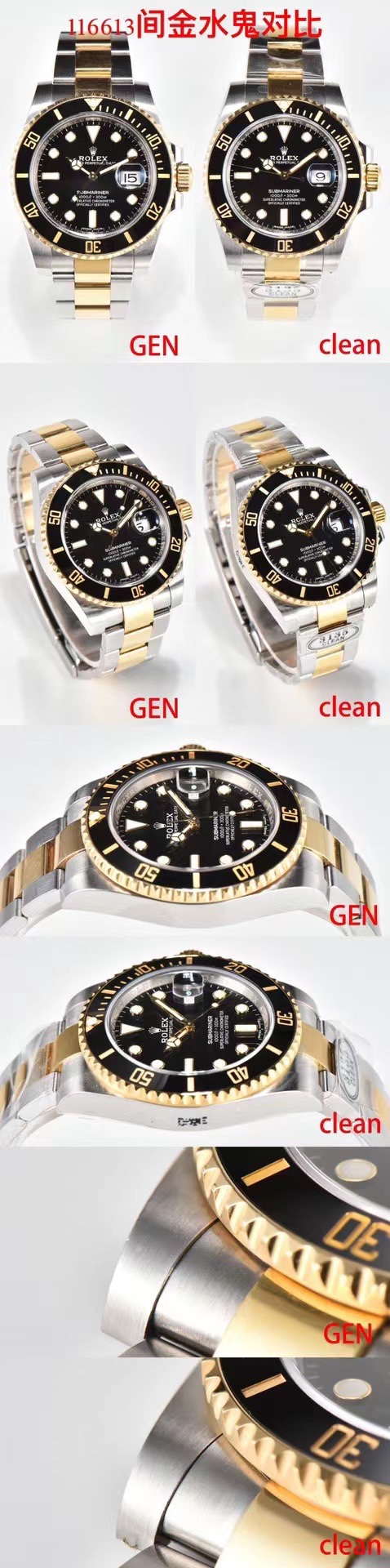
NOOB factory is forum slang for an unauthorized replica maker, not a designation any watch brand recognizes. What the name means and why it still circulates.
Read the story ↗In resale, the omission is the misrepresentation. How VS factory watches get described without disclosure, and the terms that separate honest listings from deceptive ones.
Read the story ↗Listing language like 'VS factory 1:1' and 'same movement as original' does heavy lifting. A claim-by-claim look at what these phrases really mean.
Read the story ↗VS factory sellers wrap trademark and shipping claims in reassuring language. Which statements mislead, what U.S. import law actually says, and how to read the risk.
Read the story ↗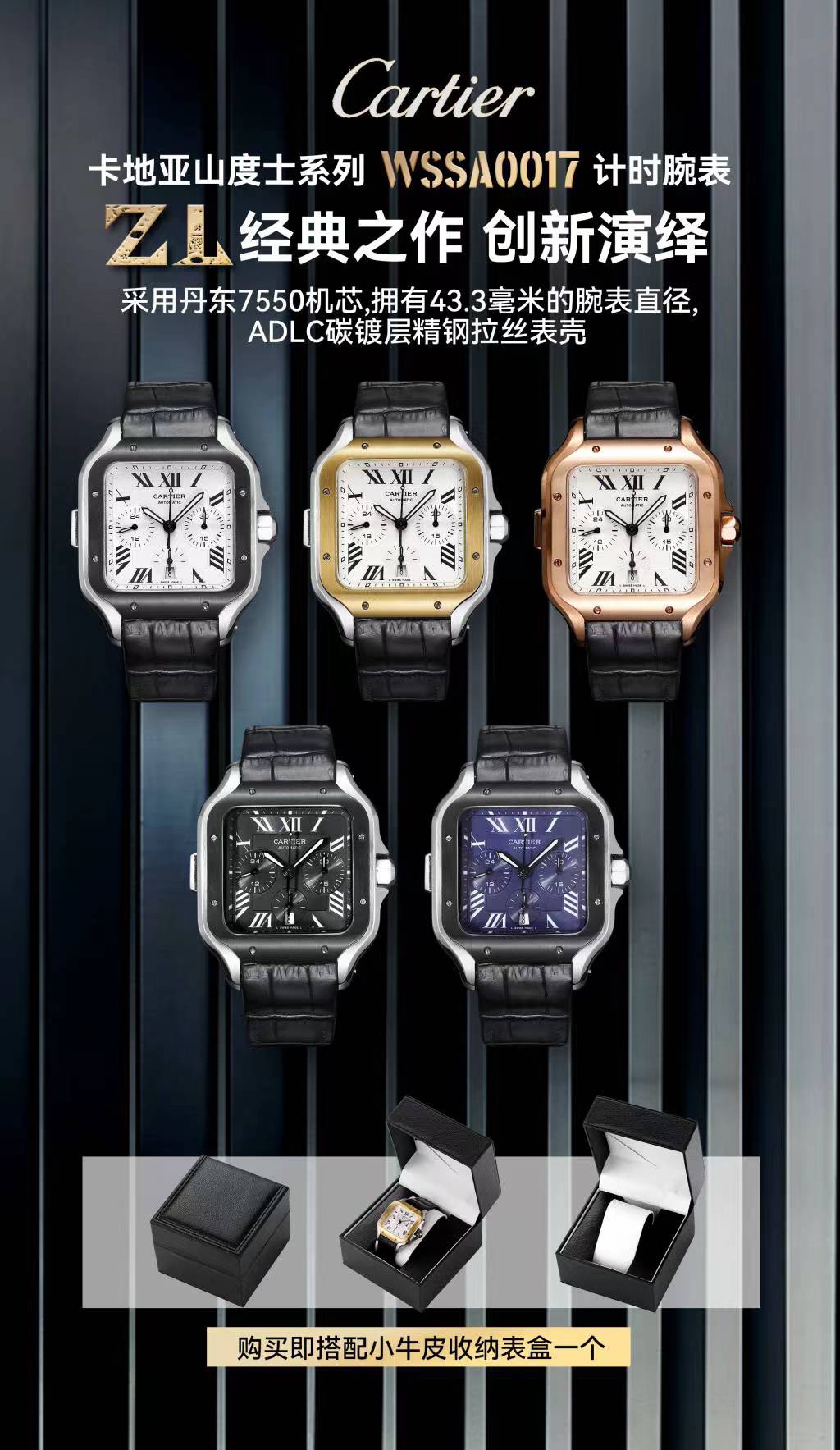
Tank, Santos and Ballon Bleu names circulate in VS factory forum threads. A practical risk guide to Cartier model associations that no photo can confirm.
Read the story ↗Royal Oak references appear beside the VS factory label in forum posts. What reference numbers mean on a genuine AP, and why photos cannot confirm one.
Read the story ↗Omega model names appear on dials in VS factory listings, but a printed name is not proof of a genuine Omega. What photos can and cannot establish.
Read the story ↗Photos can show the text on a dial. They cannot show whether the watch is a genuine Rolex of the named model — here is how to read VS factory listing photos.
Read the story ↗Fake warranty cards are common in counterfeit listings. This Q&A covers the paperwork warning signs: blank cards, mismatched serials, and the seller claims that should stop a deal.
Read the story ↗Casebacks and hallmark stamps reveal more than sellers expect. Use this checklist of engraving depth, wording, and hallmark checks to spot warning signs in any listing.
Read the story ↗Dial printing is where most counterfeits fail under magnification. This guide breaks down the logo, text, and spacing warning signs to check before trusting a listing's photos.
Read the story ↗Serial numbers and reference markings are among the hardest details for counterfeiters to get right. Here are the warning signs to check and a simple decision framework for acting on them.
Read the story ↗Batch names and version tags in VS factory listings are seller-generated shorthand, not official naming conventions. Run any listing through this five-point checklist before taking its labels seriously.
Read the story ↗Watch forum vocabulary shifts constantly, and VS factory is part of that informal lexicon. Official brand terminology, by contrast, stays fixed and published. Here is the difference.
Read the story ↗Claims that VS factory is affiliated with luxury brands, or that its watches come from official channels, are informal forum talk with no official basis. Here is how to read those claims.
Read the story ↗VS factory is a nickname used on replica-watch forums and in seller listings, not an official term from any luxury watch brand. This guide explains where the name and its grade labels come from.
Read the story ↗The movement and the papers decide most questions. A working inspection order for separating an authentic watch from a top-tier clone, and the tells that persist.
Read the story ↗A good-faith report is not the reporter's legal problem. A step-by-step guide to evidence, filing channels, and what reporting can and cannot do.
Read the story ↗Disclosure lowers a reseller's fraud exposure but not the trademark problem. What misrepresentation means in resale, and the exposure that stays with the seller.
Read the story ↗Grades change nothing in the eyes of trademark law and customs. The legal terms behind AAA-grade replica watches, defined, and what cross-border buying actually risks.
Read the story ↗Genuine parts don't drop into non-genuine cases. A claims-versus-reality table for replacement-parts compatibility, and what a watchmaker can actually check.
Read the story ↗A plain-language glossary of the material claims in AAA-grade listings — sapphire, 904L, ceramic, lume, gold — and how each gets tested.
Read the story ↗Where genuine brands engrave serials and hallmarks, what fineness stamps like 750 and 950 mean, and how to make a listing's caseback photos work for you.
Read the story ↗A decision guide to warranty cards, serial matching, and provenance claims when a listing leans on AAA-grade language.
Read the story ↗How to check dial typography, logo construction, and marker quality against genuine references when a listing claims AAA grade, and why a printed logo is a hard mismatch.
Read the story ↗Watch-forum slang cycles constantly: AAA gave way to factory names, then to version numbers. This guide maps the generations of terminology and what never changes underneath.
Read the story ↗Replica listings mix genuine model references with invented batch labels. This line-by-line checklist separates the parts that mean something from the parts that mean nothing.
Read the story ↗Factory affiliation claims sound like provenance but prove nothing. This decision framework turns forum labels like Clean and Noob into checkable questions before you pay.
Read the story ↗The AAA grade was invented by sellers, not by any brand or standards body. This explainer traces how the label appeared, what tiers were claimed, and why it still survives.
Read the story ↗Reporting a suspected counterfeit listing removes an offer from view and feeds platform review, but it does not make the seller's claims true. Here is how reporting works and what it changes.
Read the story ↗AAA-grade is seller slang with no standard meaning, and every watch it describes is an unauthorized copy. This side-by-side comparison shows how authentic watches differ on the checks that count.
Read the story ↗Misleading claims in listings do not make an unauthorized watch legal or better made. This direct Q&A separates seller vocabulary from what a buyer can actually rely on.
Read the story ↗Reselling a watch that carries unauthorized brand marks without disclosure is misrepresentation. This checklist covers what to verify, how to describe the item, and when not to list it.
Read the story ↗Buying or importing a watch advertised as BV factory means accepting seizure risk, trademark exposure, and zero brand backing. Here is how the law treats the label and how to weigh the purchase.
Read the story ↗A nine-point checklist for Audemars Piguet references discussed next to a BV factory label: bezel screws, tapisserie texture, bracelet taper, and case finishing.
Read the story ↗The Cartier details that do the checking work — cabochon crown, secret VII signature, Tank brancards, Santos screws, Ballon Bleu crown — when a forum post names a factory.
Read the story ↗What each OMEGA model name commits a listing to: Seamaster waves and helium valve, Speedmaster tachymeter, Constellation claws, Aqua Terra teak dial.
Read the story ↗The model-by-model Rolex details to compare — Submariner bezel and cyclops, GMT-Master II two-tone bezel, Datejust fluting, Daytona subdials — when a listing carries a BV factory label.
Read the story ↗Box and papers prove less than sellers claim. Run this checklist on warranty cards, METAS certificates, and Cartier registration before you decide.
Read the story ↗Engraving versus hallmark: what each brand stamps on its casebacks, where copies fall short, and how to read caseback photos in a listing.
Read the story ↗Dial typography is visible, consistent on genuine watches, and frequently wrong on copies. Use these Q&A checks on BV listing photos.
Read the story ↗BV listing titles pack reference numbers, material codes, movement codes, and version markers into one line. This checklist breaks each part down.
Read the story ↗Cloned serials are routine in replica listings. Learn what Rolex, Omega, and Cartier actually engrave and how much weight a serial should carry.
Read the story ↗'Sub-factory,' 'same team,' and 'sister factory' are seller jargon that borrows reputation. Learn what each affiliation phrase actually means in BV listings.
Read the story ↗Factory vocabulary shifts constantly: grade words fade, labels rise and get reused. See how forum terms changed and how to date a listing by its wording.
Read the story ↗The 'BV' label has no documented origin — it is an unregistered two-letter code used in replica listings. Here's what the name can and cannot tell you.
Read the story ↗The BV factory label is forum shorthand with no catalog behind it, and in forum discussions it appears most often on Cartier models like the Santos and Tank. The way to check the claim is to check the watch itself.
Read the story ↗Disclosing that a watch is not genuine reduces some liability but does not legalize the sale. The unauthorized mark is the violation, and silence about origin adds misrepresentation exposure on top.
Read the story ↗Most marketplaces and social platforms build the report flow into the listing itself. A report starts an enforcement review; it is not a refund. Here is the step-by-step sequence that actually works.
Read the story ↗Misleading claims do not change what a NOOB factory watch legally is, but they do change the seller's exposure and the buyer's options. A claim-by-claim table shows what the common listing language really means.
Read the story ↗Owning a NOOB factory watch is rarely prosecuted in the US and EU, importing one can mean customs seizure, and selling one is the serious legal exposure. The questions below follow the order buyers actually ask them.
Read the story ↗There is no published NOOB factory specification to check an Audemars Piguet against, so the claim has to be tested against the watch itself. These are the Royal Oak details that matter most in listing photos.
Read the story ↗Seamaster, Planet Ocean, Speedmaster, and Constellation each carry fixed features. How OMEGA model names expose mislabeled factory listings.
Read the story ↗Tank, Santos, Ballon Bleu, Panthère: Cartier model names describe specific shapes and crown signatures. How to check them against forum-labeled listings.
Read the story ↗Warranty cards only count when serial, dealer stamp, and date all match the watch. A decision guide for reading paperwork and provenance in listings.
Read the story ↗A step-by-step caseback inspection: blank Oyster casebacks, reference placement, 750 fineness marks, and the engraving mistakes NOOB-labeled listings make most often.
Read the story ↗Genuine dial references act as a fixed typography checklist: line counts, serif shapes, coronet placement, and lume color all betray a copied dial long before a loupe touches the movement.
Read the story ↗Where genuine brands place serials and references, and what NOOB factory listings claim instead.
Read the story ↗From forum nickname to version labels to successor names: how NOOB factory terminology evolved.
Read the story ↗Why no seller can prove a NOOB factory connection — and what buyers can actually verify instead.
Read the story ↗There is no verified origin for the NOOB factory nickname. What the label means, how it spread, and why it stuck.
Read the story ↗The reporting path for suspected counterfeit watch listings, from evidence to follow-up, on major marketplaces.
Read the story ↗NOOB factory is forum shorthand for unauthorized Rolex-style copies. How the real thing differs in movement, markings, and paperwork.
Read the story ↗What terms like 1:1, super clone, and Swiss movement can and cannot prove in a VS factory listing.
Read the story ↗Forum threads tie the VS factory label to Royal Oak and Offshore reference numbers. Here's what those references denote.
Read the story ↗Tank, Santos, and Ballon Bleu appear in forum claims about VS factory items. Here's a decision path for checking each Cartier cue.
Read the story ↗Seamaster, Speedmaster, Constellation — the Omega names attached to VS factory claims, and the visual cues behind each one.
Read the story ↗Dry and wet pressure testers let an independent watchmaker check water resistance claims on a VS factory watch. Here's what a test pass proves.
Read the story ↗Rolex model names like Submariner and GMT-Master II show up in VS factory listings. Here's how to check the dial text against known details.
Read the story ↗A warranty card on a replica listing is one more claim, not evidence. What genuine cards record and how to read the paperwork on a VS factory watch.
Read the story ↗Plain Rolex casebacks, Omega's hippocampus medallion, 750 hallmarks — the caseback conventions that make VS factory listings easy to screen, and their limits.
Read the story ↗Genuine Rolex, Omega and Cartier dials are built on strict typographic grids. A zone-by-zone guide to comparing a VS factory listing against them.
Read the story ↗Rolex and Omega serial and reference conventions provide a public baseline for checking VS factory listings. A six-step photo checklist for the comparison.
Read the story ↗V1, batch codes, 3135 clones, 1:1 grades — a plain-language table of the naming conventions used in VS factory listings and what each label actually establishes.
Read the story ↗Replica forum vocabulary shifts constantly. Here is how the terminology around VS factory has drifted, why old labels persist, and how to read threads from different years.
Read the story ↗Factory affiliation claims are seller marketing, not verifiable fact. Here is a five-step method for evaluating them before you buy.
Read the story ↗VS factory, or VSF, is a forum nickname for an anonymous maker of unauthorized replicas. The name's origin is undocumented, and every origin story circulating in threads is unverifiable speculation.
Read the story ↗Forum and seller vocabulary for the claimed top of the replica hierarchy — what the phrase asserts, what it cannot verify, and what it does not mean.
Read the story ↗Reporting a counterfeit listing is easy; a guaranteed takedown is not. Where reports go, what makes them useful, and what to expect afterward.
Read the story ↗The line between a bad deal and fraud is disclosure. Four listing scenarios, side by side, and what each one costs the seller and the buyer.
Read the story ↗Undefined superlatives do the heavy lifting in most replica listings. A decision path that sorts uncheckable adjectives from checkable facts.
Read the story ↗A watch is a counterfeit because of the marks it carries, not its quality. Trademark law, border seizures, and why a seller's disclaimer changes nothing.
Read the story ↗904L steel, sapphire crystal and ceramic bezel: what each material term really means in a listing, and why photos can never settle a material claim.
Read the story ↗A caseback checklist that catches era mismatches, wrong engraving conventions and hallmarks that contradict the metal they sit on — plus the limits of what engravings can prove.
Read the story ↗Warranty cards are the easiest part of a sale to forge. This decision guide ranks the provenance checks that matter and the red flags that should end a purchase.
Read the story ↗Dial printing and logo placement can screen a watch, but they cannot authenticate one. Here is which details repay a closer look and why same-reference comparison is the only comparison that counts.
Read the story ↗Reference numbers, batch labels, and material shorthand are packed into replica listing titles. Learn to parse each element of the name.
Read the story ↗Replica terminology moved from AAA-style grades to 1:1 claims to factory-and-movement language. A timeline of how the vocabulary evolved.
Read the story ↗Sellers claim factory affiliations to make replicas sound traceable. Here is why the claims cannot be checked and what factory names really signal.
Read the story ↗The AAA grade has no documented creator or issuer. Its likely path runs from everyday goods grading through early online listings into forum jargon.
Read the story ↗
Suspected counterfeits can be reported to marketplaces, payment providers, brand owners, and customs. A checklist for filing reports that actually get reviewed.
Read the story ↗AAA-grade is a seller-invented tier with no certifying body and no fixed meaning. Here is how the replica grade ladder actually works.
Read the story ↗1:1, Swiss movement, 904L — the claims on BV factory listings are seller vocabulary, not verified specs. Here is what each phrase really means.
Read the story ↗Reselling a BV factory watch is the riskiest move available, whether or not you disclose its origin. Here is how disclosure, fraud, and platform rules interact.
Read the story ↗Trademark law and customs enforcement both reach a BV factory purchase. This guide maps the seizure, payment, and resale risks buyers rarely see spelled out.
Read the story ↗Tank, Santos, Ballon Bleu, Panthere: Cartier associations in BV factory posts need a different filter, because many Cartier lines are quartz and the sizes are precise. This four-step check tests any forum claim.
Read the story ↗15202, 15400, 15500, 26470, 15710: the Audemars Piguet references that circulate beside the BV label are catalog codes. This decoder explains the five-digit system and the suffixes.
Read the story ↗Submariner, GMT-Master II, Daytona, Datejust: BV factory listings borrow genuine Rolex names and reference codes. Decoding the genuine references lets you read a listing precisely and catch mixes that never existed.
Read the story ↗Seamaster, Speedmaster, Planet Ocean, Aqua Terra: OMEGA names in BV factory listings can be checked against genuine conventions. This five-point checklist catches most misattributions in under a minute.
Read the story ↗904L steel, sapphire crystal and ceramic bezel are the three material claims most often attached to the BV factory label. Here is what each claim refers to on a genuine watch and how to check it on the one in your hand.
Read the story ↗Warranty cards and receipts prove nothing until the dealer or brand confirms them. How to weigh papers, boxes, and provenance claims.
Read the story ↗Caseback engravings and hallmarks are stamped metal, and stamping is easy to copy. What each marking does and does not prove.
Read the story ↗Dial typography and logo positioning cannot authenticate a watch on their own. What printing can and cannot tell you about a BV factory listing.
Read the story ↗Version numbers and batch names on BV factory listings are seller-side ordering labels. A checklist for reading them without being misled.
Read the story ↗A serial number on a watch sold under a BV factory label proves nothing: numbers are copied, and the label already marks the watch as an unauthorized replica.
Read the story ↗Forum labels like BV factory shift over time — names retire, get reused, and change meaning, so old threads and new listings may not describe the same thing.
Read the story ↗Claims that BV factory is the same operation as another named factory cannot be verified through any public channel. Here is what affiliation talk really proves.
Read the story ↗A plain-language definition of the BV factory label in replica watch forums, what it signals, and how much of it to believe.
Read the story ↗BV factory is a user-generated label from replica watch forums, not a verifiable company. Its origin and any attached grade are unconfirmed forum lore.
Read the story ↗The practical route for flagging a counterfeit NOOB factory listing, from marketplace report buttons to customs and brand-owner channels.
Read the story ↗Why disclosing that a NOOB-labeled watch is a replica does not make reselling it safe, and where misrepresentation becomes fraud.
Read the story ↗The trademark, customs and platform risks that follow NOOB factory listings, broken down by role for buyers, importers and sellers.
Read the story ↗A claim-by-claim breakdown of the sales language in NOOB factory listings, and what each phrase does not actually promise.
Read the story ↗Cartier pieces tied to NOOB in forum posts are almost always mislabeled. Cartier's own model line and reference codes clarify what is really being described.
Read the story ↗OMEGA models sold under the NOOB label are usually misattributed; Seamaster replicas belong to other forum labels. Genuine references settle it.
Read the story ↗Forum threads pair NOOB with genuine Rolex references like 116610LN and 126710BLRO. Learning the references separates real model names from replica labels.
Read the story ↗NOOB issued no cards and kept no records, so warranty papers in these listings are props or mismatched documents — nothing to authenticate.
Read the story ↗Dial typography can only be compared against the genuine Rolex a NOOB piece imitates — it cannot identify the workshop behind the forum label.
Read the story ↗Caseback engravings and hallmarks imitate genuine brand markings, not a NOOB standard. They measure copying skill, never the label.
Read the story ↗Noob listing labels like V10 and 116610LN are a seller-side naming scheme. Decode the factory label, version number, and copied reference number step by step.
Read the story ↗A plausible serial number proves nothing about a NOOB factory watch, because replicas copy genuine formats. Learn what markings can and cannot confirm.
Read the story ↗The term NOOB factory has meant different things in different eras. Compare old and new forum usage and what the drift means for today's listings.
Read the story ↗Factory direct, official dealer, we own the factory — Noob affiliation claims are unverifiable by design. Learn what each phrase implies and how to test it.
Read the story ↗NOOB factory is a forum label, not a company. Learn what the name means, what it never meant, and how sellers use it to price watches today.
Read the story ↗The NOOB nickname is internet slang that replica forums attached to a production group. Here is what is known about the name's origin and why the story matters.
Read the story ↗Report a suspected counterfeit watch listing the practical way: marketplace first, then the brand, your payment provider, and authorities when fraud is involved.
Read the story ↗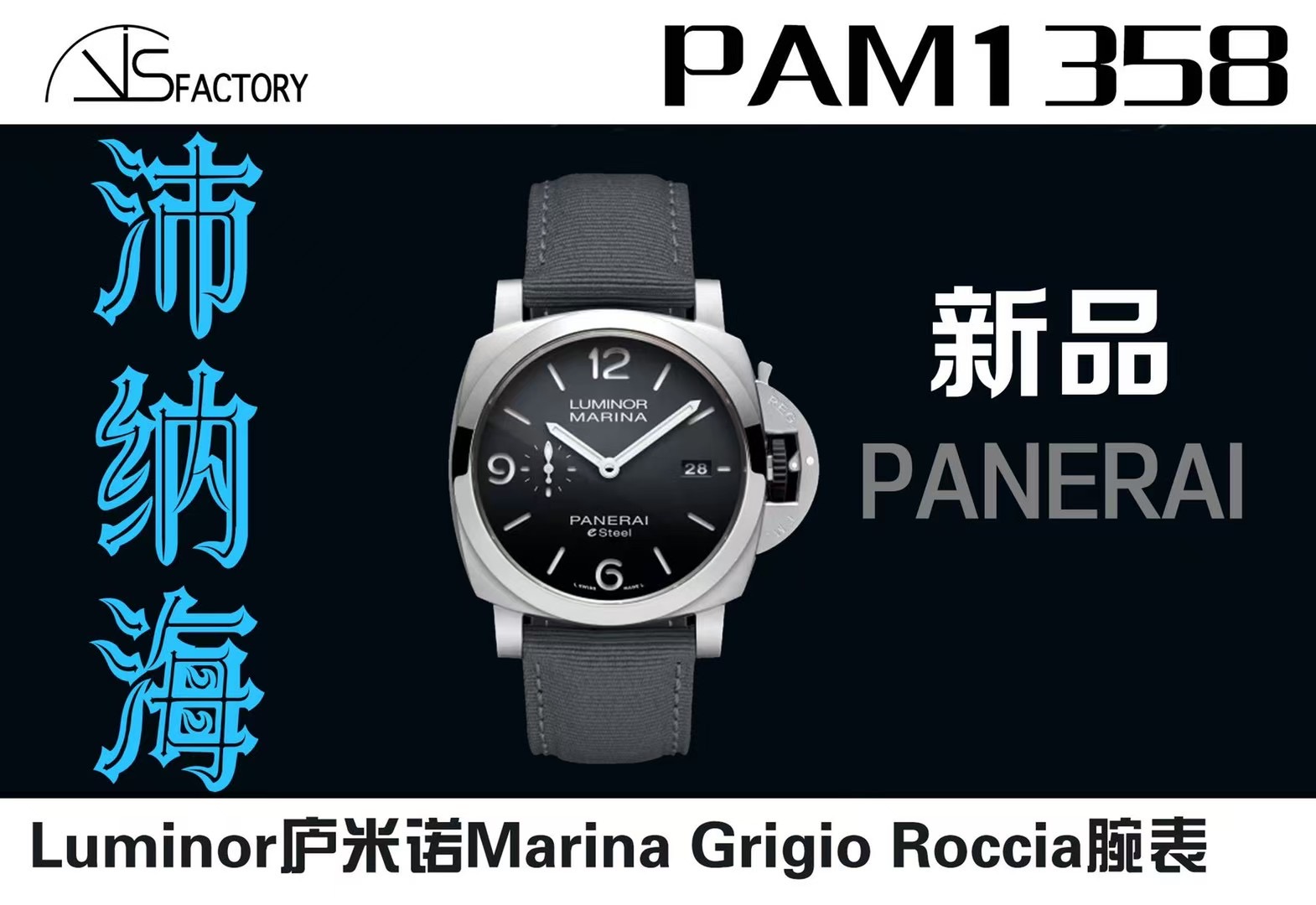
Disclosing a VS factory watch does not make reselling it legal, and hiding it adds fraud. Compare the two paths and what each costs the seller.
Read the story ↗Terms like 1:1, Swiss grade, and AAA+ are seller marketing, not certification. Learn what each VS factory listing claim means and why none of it is verifiable.
Read the story ↗VS factory listings sit at the intersection of trademark infringement and customs enforcement. Understand what buyers risk at the border and how to avoid a seized package.
Read the story ↗Tank, Santos and Ballon Bleu are families, not single models. A short decision guide for reading Cartier claims in VS factory posts.
Read the story ↗Audemars Piguet references are built in segments. One worked example shows how VS factory shorthand goes wrong.
Read the story ↗Genuine Omega references are the fastest tool for testing the model names that appear next to VS factory. Five checks do the job.
Read the story ↗Rolex model names in VS factory posts rarely come with reference numbers. Genuine references pin a name to a generation — here is how to read them.
Read the story ↗A plain-English breakdown of the 904L steel, sapphire and ceramic language used in VS factory listings, and which of those material claims anyone can actually check.
Read the story ↗Boxes, cards, and papers are counterfeited as often as the watches themselves. Here is why a VS factory item has no warranty value and what documentation can verify.
Read the story ↗Caseback engravings cost almost nothing to copy, so replicas carry them as routinely as genuine watches do. Here is what the marks actually mean and how to use them.
Read the story ↗Typography is the thing VS factory watches are made to copy. Here is what dial and logo checks can and cannot tell you about authenticity.
Read the story ↗Serial numbers and reference engravings are copied along with everything else. Here is why markings cannot confirm whether a watch sold as VS factory is genuine.
Read the story ↗Every VS factory listing carries a model reference, a version number, and often a batch tag. Here is what the naming convention means and where its limits are.
Read the story ↗The same maker is called VSF, VS Factory, and sometimes just VS. Here is how the terminology has drifted across watch forums and why it matters when you shop.
Read the story ↗
Sellers describe themselves as official VS factory agents or factory-direct suppliers. Here is why those affiliation claims cannot be verified and what to check instead.
Read the story ↗VSF is watch-forum slang for a replica maker known for Rolex and Omega models. Here is what the nickname means, what it does not, and why its origin is undocumented.
Read the story ↗A watch labeled VS factory is an unauthorized copy, and buying one carries risks an authentic purchase does not: customs seizure, no warranty, no brand service, and legal exposure on resale.
Read the story ↗Factory labels such as VS factory never appear on authentic watches. This checklist walks through listing, seller, documentation, and physical checks that separate an authentic watch from a labeled replica.
Read the story ↗VS factory is not an official designation. No brand, retailer network, or industry body recognizes the term. Here is where it comes from and what official designations look like.
Read the story ↗VS factory is a forum label for high-priced replica watches, not a registered manufacturer. Here is what the term covers, how sellers use it, and what it does not guarantee.
Read the story ↗What the AF Factory name means in forum discussions of imitation watches, and what it does not guarantee.
Read the story ↗
A concise guide to the BV Factory label in watch-replica listings and the limits of factory-name claims.
Read the story ↗
What the VS Factory name means in replica-watch forums, how sellers use it, and how to evaluate the claims behind it.
Read the story ↗A plain-language explanation of the NOOB Factory name, where it comes from and how to read seller claims that use it.
Read the story ↗A neutral explainer of the Clean Factory label used in watch-replica discussions, and what it does and does not prove.
Read the story ↗Accuracy, maintenance, power reserve and ownership experience explained in practical terms.
Read the story ↗Why a non-genuine movement is often replaced rather than repaired, and what the service vocabulary actually promises.
Read the story ↗Model years are the only reliable check on listings that use vague grade labels. Here is how Royal Oak-style integrated-bracelet design changed across decades and why the year decides which details are right.
Read the story ↗Three generations since 1993, each with its own dial, bezel and movement. Why the Seamaster's year sorts genuine era details from seller blur.
Read the story ↗904L steel, sapphire, ceramic: the material claims AAA-grade listings make, and what each term means in a plain-English comparison table.
Read the story ↗One label, many movements: why calibre claims vary between AAA-grade listings, and the seller vocabulary of Asia 2824, clone and Miyota decoded.
Read the story ↗Non-genuine movements have no official service network and no guaranteed parts. See the service limits of BV-tagged watches.
Read the story ↗Why movement calibre labels vary between BV listings, what the two label families mean, and how to confirm what is inside.
Read the story ↗The three service limitations of non-genuine movements: closed brand service centers, uncertain parts supply, and unverified movement identity.
Read the story ↗904L, sapphire, ceramic: claimed materials on NOOB-labeled watches are unverifiable by eye. A table comparing seller claims with what buyers can check.
Read the story ↗The NOOB label has never named a single movement. Why the same listing appears with clone 2836, clone 3135, or Miyota options, and how to read them.
Read the story ↗Compatibility claims for replacement parts are usually unverifiable by the buyer. A six-question checklist that separates assertions from evidence.
Read the story ↗A non-genuine movement has no parts network, no factory specs and no authorized service. What that means for servicing watches sold under the VS label.
Read the story ↗Sellers under one VS label list different calibres across versions and batches. Here is what movement labels actually mean.
Read the story ↗Authorized centers service only authentic calibers, and cloned in-house designs have no parts channel. Here is when an inspection matters most.
Read the story ↗Square case, eight exposed screws, Roman numerals — the Santos design language is unmistakable and easy to imitate. Here is how photos read each element.
Read the story ↗904L steel, sapphire crystal, ceramic bezel — three phrases that carry the sale. Here is what each material claim means and what you can actually verify.
Read the story ↗Swiss ETA, 3135 clone, calibre 8800 — listing movement names rarely mean what they imply. Here is how official specifications compare with seller claims.
Read the story ↗Authorized centers, independent watchmakers and no service at all: how the routes compare for watches with non-genuine movements.
Read the story ↗Official calibre specs are published and verifiable; BV factory movement claims are not. How the two differ, point by point.
Read the story ↗Forum nicknames such as BV factory V2 work differently from official reference numbers. A side-by-side look at the two naming systems.
Read the story ↗Non-genuine movements can be serviced, but the path is narrower: no brand warranty, no authorized service center, and parts supply that depends on the clone base.
Read the story ↗Rolex builds in 904L steel with ceramic bezels and sapphire crystals; a listing can print the same words without any testing. Here is what each term means and how to check it.
Read the story ↗Official specs name one calibre per model: a current Submariner Date runs the Rolex 3235, a Diver 300M the OMEGA 8800. NOOB listings speak a different language: SA3135, VR3135, A2824.
Read the story ↗Movements inside VS factory watches are not the calibers they imitate, which narrows service options. What watchmakers can do and where the limits are.
Read the story ↗A printed depth rating is not a test result. How official water resistance standards differ from the unverified claims in VS factory listings.
Read the story ↗Official calibre designations are published specifications with defined features. Clone-calibre claims in VS factory listings are unverified marketing. Here is how to tell the difference.
Read the story ↗Official centers won't service non-genuine movements. Here is what the service terms in listings mean and what an independent watchmaker can realistically deliver.
Read the story ↗The Royal Oak's integrated bracelet is the most tooling-intensive part to copy, which makes it the first place lower-tier construction shows. These checkpoints separate machined work from marketing.
Read the story ↗The five Seamaster Diver 300M features that separate a genuine example from a loose imitation, from the helium valve to the caseback.
Read the story ↗Where to look on a Santos-inspired square watch: bezel screws, the hidden dial signature, the blue cabochon, and the bracelet.
Read the story ↗The six Submariner features worth comparing against genuine references, from the ceramic bezel and cyclops to the Glidelock clasp.
Read the story ↗Official centers will not service a non-genuine movement; independent watchmakers will. How clone calibers are serviced and where the limitations actually sit.
Read the story ↗A watchmaker can identify the movement in a BV-labeled watch but not the label itself. Here's which seller claims the bench can verify.
Read the story ↗A watch sold under the NOOB factory label has no access to any brand service network, so servicing it starts with identifying what the movement actually is. Generic calibres are maintainable; decorated brand-shaped calibres often are not.
Read the story ↗Rolex model names fix case size, bezel, and dial text. Check Submariner, GMT-Master II, and Daytona references against names in factory-labeled listings.
Read the story ↗A watchmaker can identify movement family, beat rate, and layout, but no bench test can verify a factory label. What calibre inspection can and cannot prove.
Read the story ↗How genuine reference numbers and informal NOOB factory batch names differ, side by side.
Read the story ↗Brand service centers will not service non-genuine movements, no matter the label on the dial. Here's the real repair math.
Read the story ↗Yes — a watchmaker can identify the movement in a VS factory watch by opening the case. What the inspection can and cannot establish.
Read the story ↗Parts and documentation make servicing possible, and non-genuine movements have neither. Practical repair usually means donor parts or whole-movement replacement.
Read the story ↗
Genuine reference numbers fix the case size, dial, and bracelet details of integrated-bracelet designs — the exact details AAA-grade replica listings borrow loosely.
Read the story ↗The Seamaster Diver 300M has a fixed feature list. This checklist runs from the cheap tells to the decisive one: the movement behind the display back.
Read the story ↗Cartier Santos references fix the proportions, screws and details that define the design — and give buyers a spec sheet to test listings against.
Read the story ↗Submariner references pin down size, bezel and movement by era. Use them to spot the mixed-generation design claims common in replica listings.
Read the story ↗A glossary of the calibre vocabulary in replica listings — Swiss movement, ETA 2824, clone 3135 — and what each term actually means when an ad uses it.
Read the story ↗BV factory watches typically run non-genuine movements, and independent watchmakers can usually service them. Four limits still apply: parts supply, official service refusal, unverified interchangeability and repair economics.
Read the story ↗BV factory listings pair the label with movement claims such as Asian 2824 or Miyota. What those phrases mean and how to check them.
Read the story ↗Why the non-genuine movements in NOOB-labeled watches can be regulated but only partly serviced, and where the practical limits sit.
Read the story ↗904L steel, sapphire crystal and ceramic bezels are genuine Rolex specs recycled as replica claims. Only inspection confirms what a piece actually uses.
Read the story ↗SA3135, VR3135, N4130 and A2836 are forum coinage for clone movements patterned on genuine calibres. Here's what each claim usually means.
Read the story ↗The servicing reality for clone movements: who will touch them, which parts can be replaced, and why the genuine service network is closed.
Read the story ↗VS3135 and VS3235 are clone movements named after genuine Rolex calibers, not the movements themselves. Here is how clone naming works and how to read the claims.
Read the story ↗A practical comparison of strap materials covering comfort, durability, water exposure and how each changes a watch.
Read the story ↗Weight, durability, plating behaviour and care — how the most common watch case materials compare in daily wear.
Read the story ↗How dive watches and chronographs differ in bezels, dials, movements and everyday use — a practical comparison.
Read the story ↗Learn why lug-to-lug length can matter more than case diameter when choosing a comfortable watch.
Read the story ↗Understand depth ratings, test methods and why water-resistance claims need verification.
Read the story ↗Simple watch ownership practices covering magnetism, winding, storage and service.
Read the story ↗Water only needs one weak seal. A decision guide to cleaning and moisture precautions when the watch's water resistance was never verified.
Read the story ↗Parts that "interchange with genuine" are a claim until a watchmaker test-fits them. A six-step checklist before you trust a compatibility promise.
Read the story ↗Seller claims are not inspections. What a qualified watchmaker actually checks — and the failures that stay hidden when nobody opens the case.
Read the story ↗The 2018 redesign split the Santos into two families. Why the model year decides the features a Santos-style piece claims, and how to spot a mismatch.
Read the story ↗A depth rating on an unverified watch is a claim, not a measurement. The pre-water checklist for managing sealing risk on AAA-grade pieces.
Read the story ↗
Timekeeping and power reserve figures come from spec sheets, not measured watches. Why the numbers vary between listings and what to expect after delivery.
Read the story ↗Photos can reject a watch but never authenticate one. What photographs can and cannot establish about serials and markings.
Read the story ↗The six AAA-grade technical claims that only independent testing can verify, and the check each one actually requires.
Read the story ↗Moisture and amateur cleaning damage watches faster than mechanical wear. Follow this ordered checklist for a BV-tagged watch.
Read the story ↗Parts compatibility claims on BV-tagged watches stay unverified until someone measures and fits them. Use this decision flow before buying spares.
Read the story ↗Without a qualified watchmaker, inspection and diagnostics on a BV-tagged watch end at the caseback. See what a real inspection covers.
Read the story ↗Depth ratings on BV-tagged listings are seller-written numbers, not test results. Learn what water resistance claims actually mean and how seals age.
Read the story ↗Why timekeeping and power-reserve figures in BV listings are targets rather than measurements, and how to verify the unit you buy.
Read the story ↗A checklist for cleaning a non-genuine watch without letting humidity in, from crown position to fog on the crystal.
Read the story ↗Genuine and aftermarket parts do not drop into non-genuine cases on a brand-name basis; fitment is a measurement problem a watchmaker has to solve.
Read the story ↗What goes wrong when a non-genuine watch is opened and serviced without a qualified watchmaker, and how to decide when a bench visit is required.
Read the story ↗The NOOB label has no documented OMEGA history. How OMEGA reference codes and model years expose listings that do not add up.
Read the story ↗Printed depth ratings on NOOB-labeled watches are borrowed specs, not test results. A checklist for inspecting seals before trusting any water claim.
Read the story ↗Seller timekeeping claims copy genuine published specs. A decision guide for weighing rate and power-reserve promises on NOOB-labeled watches.
Read the story ↗If nobody has pressure tested the seals, assume the watch is not water resistant. Cleaning, humidity and moisture decisions made from that one rule.
Read the story ↗Skipping a qualified watchmaker leaves seals, lubrication and water resistance permanently unknown. The specific risks, and when an inspection matters most.
Read the story ↗Accuracy and power reserve numbers in VS listings usually come from copied spec sheets. Here is why the claims vary.
Read the story ↗The VS factory label is forum shorthand, not a verified manufacturer. That is why case, crystal and bezel material claims vary from listing to listing, and how to weigh them.
Read the story ↗Treat every water-resistance claim on a AAA-grade replica as unverified. A pressure test, not the dial text, decides whether it can get wet.
Read the story ↗Straps, spring bars, and gaskets in standard sizes are replaceable; crystals, crowns, and movement parts depend on the specific copy.
Read the story ↗Five triggers justify a watchmaker inspection for a AAA-grade replica watch: arrival, accuracy drift, impact, water exposure, and travel.
Read the story ↗A 300m engraving is a claim until someone pressure-tests the watch. Here is what the ratings mean and how to decide what water contact is safe.
Read the story ↗COSC, METAS, amplitude, 70-hour reserve — the numbers in listings sound official. Here is what each term means and what a claim proves without a certificate.
Read the story ↗Replica terminology keeps changing because no one owns it. How moderation, grade inflation, and batch cycles keep renaming the same product.
Read the story ↗Treat an untested BV factory watch as unrated. A five-step routine for cleaning, humidity control and moisture damage.
Read the story ↗Genuine, aftermarket, 1:1, franken: what parts-compatibility terms in factory listings mean, and why fit is only proven at the bench.
Read the story ↗Four moments call for a watchmaker inspection of a watch sold under the BV factory label, plus the bench measurements that matter.
Read the story ↗Depth ratings and sealing lines in factory listings are seller statements, not measurements. What ISO 22810 testing covers, and how to respond to the claims.
Read the story ↗Timekeeping and power-reserve claims in BV factory listings are untested statements. How to compare them with published brand specs.
Read the story ↗Caseback engravings and hallmarks carry real information on genuine watches and often fail on counterfeits. The red flags to look for.
Read the story ↗Moisture damage is the most avoidable failure in a NOOB-labeled watch. A cleaning and moisture routine built on tested seals, not listing claims.
Read the story ↗Genuine parts, 1:1 fit, direct swap, the compatibility claims in NOOB listings are unverified seller statements. Here is what each phrase actually implies.
Read the story ↗A NOOB-labeled watch has no factory quality control to fall back on, so the first inspection is the only one it will ever get. Here is the schedule that catches problems early.
Read the story ↗Rolex and OMEGA test water resistance per watch before shipping. A depth figure printed in a NOOB listing was tested by nobody, and the seals are exactly what you cannot see.
Read the story ↗Official accuracy bands and power reserves are published and tested per watch. A figure typed into a NOOB listing is a claim about a movement nobody has measured.
Read the story ↗
Routine cleaning is safe when the crown is seated and seals are sound. Moisture precautions for a VS factory watch, whose sealing is unverified.
Read the story ↗Claims that a VS factory watch accepts genuine parts are usually unverifiable. A decision guide to compatibility claims, from straps to movement components.
Read the story ↗Three moments call for a watchmaker inspection: on arrival, on schedule, and when performance changes. What diagnostics can and cannot show.
Read the story ↗Luxury brands publish documented material specifications for their cases, crystals and bezels. VS factory listings trade on forum shorthand, and the two are not the same thing.
Read the story ↗Brands publish tested timekeeping and power-reserve specs; VS factory listings make claims with nothing behind them. Here is how the numbers differ and how to evaluate any claim.
Read the story ↗Most listing claims have no agreed definition. A three-question path for deciding which AAA-grade claims to trust and which to treat as decoration.
Read the story ↗Official centers won't clean or reseal a non-genuine watch. A practical checklist for cleaning, moisture control, and the water-resistance testing worth paying for.
Read the story ↗Official brand service centers decline non-genuine watches as policy. Independent watchmakers can inspect, but their reports describe the watch, not brand certification.
Read the story ↗What dry and wet pressure testing measures, what depth ratings mean in practice, and how far a local test can verify a listing's claim.
Read the story ↗How timing machines and power-reserve tests work, and how to read the results against the numbers quoted in AAA-grade listings.
Read the story ↗What a bench inspection of a movement can and cannot prove when a listing claims AAA grade, from caseback removal to the written report.
Read the story ↗Genuine serials tie a watch to records, papers, and service access; AAA listings imitate the visible part only. This comparison shows what brands actually do with serial numbers.
Read the story ↗A cleaning and humidity routine for a watch labeled BV factory: treat water resistance as unverified, keep steam away, and act fast on interior condensation.
Read the story ↗Genuine parts do not reach non-genuine watches through official channels. A part-by-part look at what fits, what does not, and how a bench measures compatibility.
Read the story ↗Official service centers generally decline non-genuine watches, so inspections for a BV factory-labeled piece run through independent watchmakers. A decision guide by goal.
Read the story ↗How dry and wet pressure testers work, what a passing test actually certifies, and why a seller's depth figure is a claim until your watchmaker writes down a number.
Read the story ↗What a watchmaker can and cannot verify about case steel, crystal type, and bezel material on a watch labeled BV factory — and why no bench test proves a factory label.
Read the story ↗Rate, amplitude, and power reserve are all testable. Here's what a timing machine measures and how to decide whether to pay for the test.
Read the story ↗The water resistance printed on a NOOB-labeled watch is unverified until a pressure test says otherwise. Four decisions cover cleaning, humidity, testing and what to do the moment condensation appears.
Read the story ↗There is no official parts channel for a watch sold under the NOOB factory label. Generic movement parts are often available, but case, dial and bracelet pieces exist only where a seller or donor watch supplies them.
Read the story ↗Authorized service centers for luxury brands work on genuine products only, and a watch sold as NOOB factory will generally be refused at intake. Here is what to expect, why the policy exists, and where inspections are actually possible.
Read the story ↗Pressure tests prove a case seals today, not a depth rating for life. What dry and wet tests can and cannot show in factory-labeled listings.
Read the story ↗Sapphire versus mineral glass, 904L versus 316L steel, ceramic versus painted inserts: which material claims a watchmaker can test, and which need a lab.
Read the story ↗Timegrapher rate, amplitude, and beat error plus a full-wind run-down test verify timekeeping and power reserve claims. The bench protocol and its limits.
Read the story ↗Why disclosing a watch is a copy does not make reselling it legal, and how misrepresentation adds fraud risk.
Read the story ↗What trademark law and customs enforcement mean for watches sold under the VS factory label — and where the real risk sits.
Read the story ↗Official centers won't clean a non-genuine watch, so humidity and condensation care is on you. Here are the precautions that help.
Read the story ↗Sellers claim VS factory watches accept genuine-brand parts. Here's a checklist for testing replacement-parts compatibility.
Read the story ↗Official service centers generally decline to inspect or diagnose watches identified as non-genuine. Here's what that means for VS factory items.
Read the story ↗Can a watchmaker independently test case, crystal, and bezel material claims on a watch labeled VS factory? Here's what shop tools can prove.
Read the story ↗Rate, amplitude, beat error and run-down time: how a watchmaker tests timekeeping and power-reserve claims, and what COSC and METAS numbers mean.
Read the story ↗Humidity defeats gaskets faster than swimming. Cleaning rules, steam traps, and what fog under the crystal actually means — for every watch, verified or not.
Read the story ↗Compatibility phrases like "1:1 interchangeable" and "ETA-compatible" are seller language. Here is what each claim would need to be true, and what to ask instead.
Read the story ↗A watchmaker inspection runs on measurements: rate, amplitude, beat error, and power reserve. On non-genuine movements, the missing documentation is what makes diagnosis slow.
Read the story ↗Printed depth ratings cost nothing and prove nothing. A risk guide to water-resistance claims, gasket reality and how far to trust an untested watch.
Read the story ↗Listed accuracy and power-reserve numbers usually describe the genuine watch, not the unit for sale. Compare the claims with the movements behind them.
Read the story ↗Serial numbers are copied as routinely as dials are. Here is why a matching serial cannot confirm authenticity and what actually can.
Read the story ↗Without a recent verified pressure test, a BV factory watch should be treated as splash-only. These scenario rules cover washing, humidity, storage, condensation and cleaning without wrecking the seals.
Read the story ↗Accepts genuine parts, movement swappable, genuine bracelet fits: compatibility claims on BV factory watches are unverified until a watchmaker tests them. Here is what each claim means at the bench.
Read the story ↗What does a watchmaker's inspection of a BV factory watch actually cover? Five steps: timegrapher readings, movement condition, crown and stem, seals, and an optional pressure test, plus the honest limits.
Read the story ↗Tested to 300m, triple-gasket crown, fully sealed caseback: these water resistance claims appear constantly in BV factory listings. Here is what they actually mean and why a pressure test is the only evidence that counts.
Read the story ↗Accuracy and power-reserve claims beside a BV factory label are expectations, not measurements. What the spec words mean and how testing works.
Read the story ↗How to weigh the replacement-parts compatibility claims in NOOB factory listings, and which ones fall apart once a watchmaker measures the watch.
Read the story ↗A cleaning routine that assumes unverified seals, plus a condensation response plan for NOOB-labeled watches.
Read the story ↗What a watchmaker's inspection can and cannot tell you about a watch sold under the NOOB factory label, from timing readings to service center policy.
Read the story ↗How genuine Audemars Piguet reference numbers work, and why the NOOB factory label pasted onto AP listings answers none of the questions a reference number answers.
Read the story ↗Water-resistance ratings in NOOB listings copy the genuine watch's specs, not test results. Seals, not claims, decide whether a watch survives water.
Read the story ↗Timekeeping and power-reserve figures in NOOB listings restate genuine Rolex specs, not measurements. A short checklist tests the watch you own.
Read the story ↗Cleaning and humidity care for VS factory watches, organized by the four scenarios owners actually face.
Read the story ↗Three parts-compatibility claims from VS factory listings get a reality check: bezel inserts, crystals and bracelets.
Read the story ↗A watchmaker's inspection follows the same sequence for any mechanical watch. Here is what each stage looks at, and what it cannot prove.
Read the story ↗Depth ratings in VS factory listings describe laboratory static-pressure tests, not your watch. Here is what each number really means.
Read the story ↗Accuracy and power-reserve figures in VS factory listings are borrowed marketing, not certifications. Here is what the numbers mean and how to test them yourself.
Read the story ↗Sellers attach movement, material, and water resistance claims to VS factory listings. These are assertions, not certifications. Here is a claim-by-claim look at what needs independent verification.
Read the story ↗