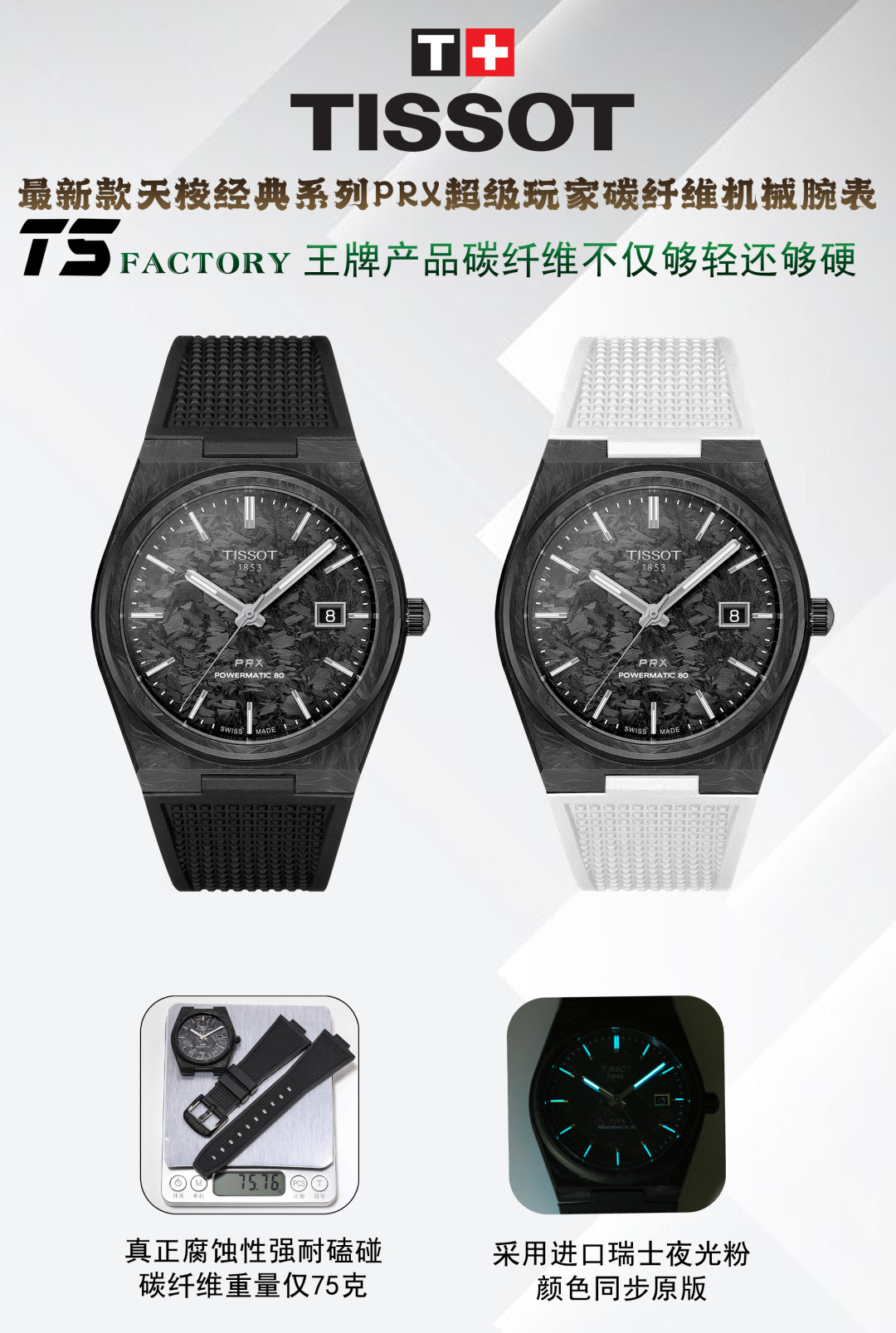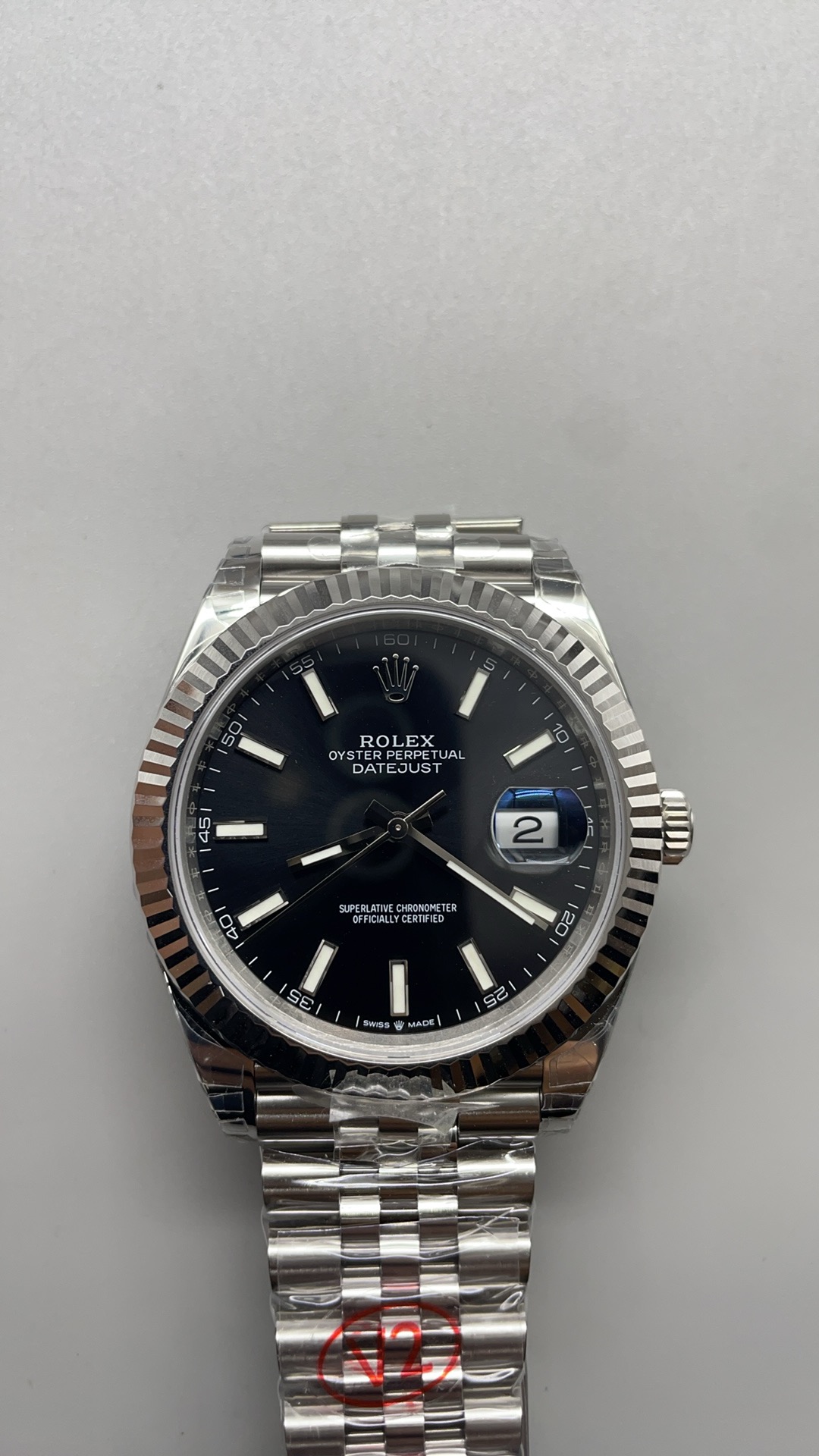
No. "VS factory" is not an official designation in the watch industry, and no luxury watch brand recognizes it. The term is informal marketplace and forum vocabulary used to describe a source of unauthorized replica watches. It appears nowhere in brand literature, dealer agreements, certification programs, or any public registry, and no organization vets what the label covers.
Does any watch brand recognize the term?
None do. Brands such as Rolex, Omega, Cartier, and Tissot describe their products by official reference numbers and movement calibers, and they sell through authorized retail and service networks. A product supplied through those channels is never described with a factory code. When the term "VS factory" appears on a listing, that listing sits outside every official channel, which is precisely why the label exists. The same is true of every other factory label in the replica vocabulary: none appears in any brand's dealer network, catalog, or service system.
Where does the term actually appear?
The name circulates in replica watch forums, social media seller pages, and marketplace descriptions, where buyers sort unauthorized products by the source each seller claims. It belongs to the same vocabulary as other labels such as Noob, Clean, ZF, and BVF. Our explainer on VS, Noob, and Clean factory terminology documents how these names function in practice: as seller language, not industry language.
Can a source like this be verified?
Not in any ordinary sense. There is no registered company, public address, or production site behind the label, and no auditor confirms which products come from which source. Sellers may offer photos, videos, and certificates of their own making, but nothing issued by an unverified source establishes anything about the product. The label's meaning rests entirely on the seller's word and on forum reputation.
Has the label ever appeared in official contexts?
No documented instance exists of a brand, retailer, or certification body using the term to describe a product. The name appears exclusively in informal settings: forums, social media posts, and listings for unauthorized copies. Its absence from every official channel is itself the clearest signal about its status.
What do official designations actually look like?
Contrast matters here. In the official watch world, products carry specific, checkable identifiers instead:
- Model references: brands identify each design with a reference number that appears in catalogs and dealer records.
- Movement calibers: genuine calibers have defined names and specifications, such as Rolex 3135 and 3235, Omega 8800, or the widely used ETA 2824-2 and Sellita SW200. See automatic vs. quartz movements explained for how these fit together.
- Certifications: independent bodies certify specific movements. COSC certifies chronometer accuracy, and METAS certifies Omega Master Chronometer movements. A certificate references one movement and can be checked through official records.
- Ratings: water resistance ratings follow standards such as ISO 22810, and a rating attaches to a tested product, not to a printed marking.
Every one of these identifiers can be checked against a brand or a certifying body. A factory label cannot be checked against anything, because no registry contains it. That asymmetry is the practical difference between an official designation and a forum nickname.
Do "factory certificates" change anything?
No. Sellers sometimes include certificates, QC checklists, or "factory warranty" cards with replica watches. These documents are issued by the seller or printed on the seller's behalf; no independent body stands behind them, and no brand service center honors them. A certificate that cannot be checked through official records establishes nothing, no matter how official it looks.
Why do sellers use official-sounding language?
Borrowed terminology is a marketing tool. Words such as "factory," "certified," and "tested" imply the structure and accountability of a real manufacturer. In a replica listing, none of that structure exists, which is the point: the language is designed to sound official without being verifiable. The safest reading of any factory label is that the seller, not the industry, invented it.
What should buyers conclude from the label?
That the watch is an unauthorized copy, and that every claim attached to it — materials, movement, water resistance, "grading" — is a seller's assertion. The label says nothing about quality in either direction: no audited standard exists to make it good, and no inspection record exists to make it bad. Buyers who want verified claims should look to official designations and authorized channels, because that is where verification actually happens.
The short answer, stated plainly
VS factory is not official, not recognized, and not verifiable. It is a nickname used inside the replica trade, and treating it as an industry designation is a category error. For more on how these labels work across the market, see our factory guides.
Frequently asked questions
Would a brand ever sell a watch through a "factory" channel?
No. Brands distribute through authorized retailers and boutiques. A "factory" channel is not part of any brand's distribution, which is one reason the label marks a product as unauthorized.
Is there a legal entity named VS factory?
No public company registration or corporate identity is attached to the label. It exists only as marketplace vocabulary.
Do watch forums treat the label as official?
No. Forum members use it as shorthand among buyers, and even there it is understood as a nickname rather than an audited designation.
What is the closest official equivalent to a factory label?
There is none. The official equivalents are model references, movement calibers, certifications such as COSC and METAS, and authorized retail channels.
This content is for general watch education. It does not verify any individual product or guarantee authenticity, and it is not affiliated with third-party brands or factories.