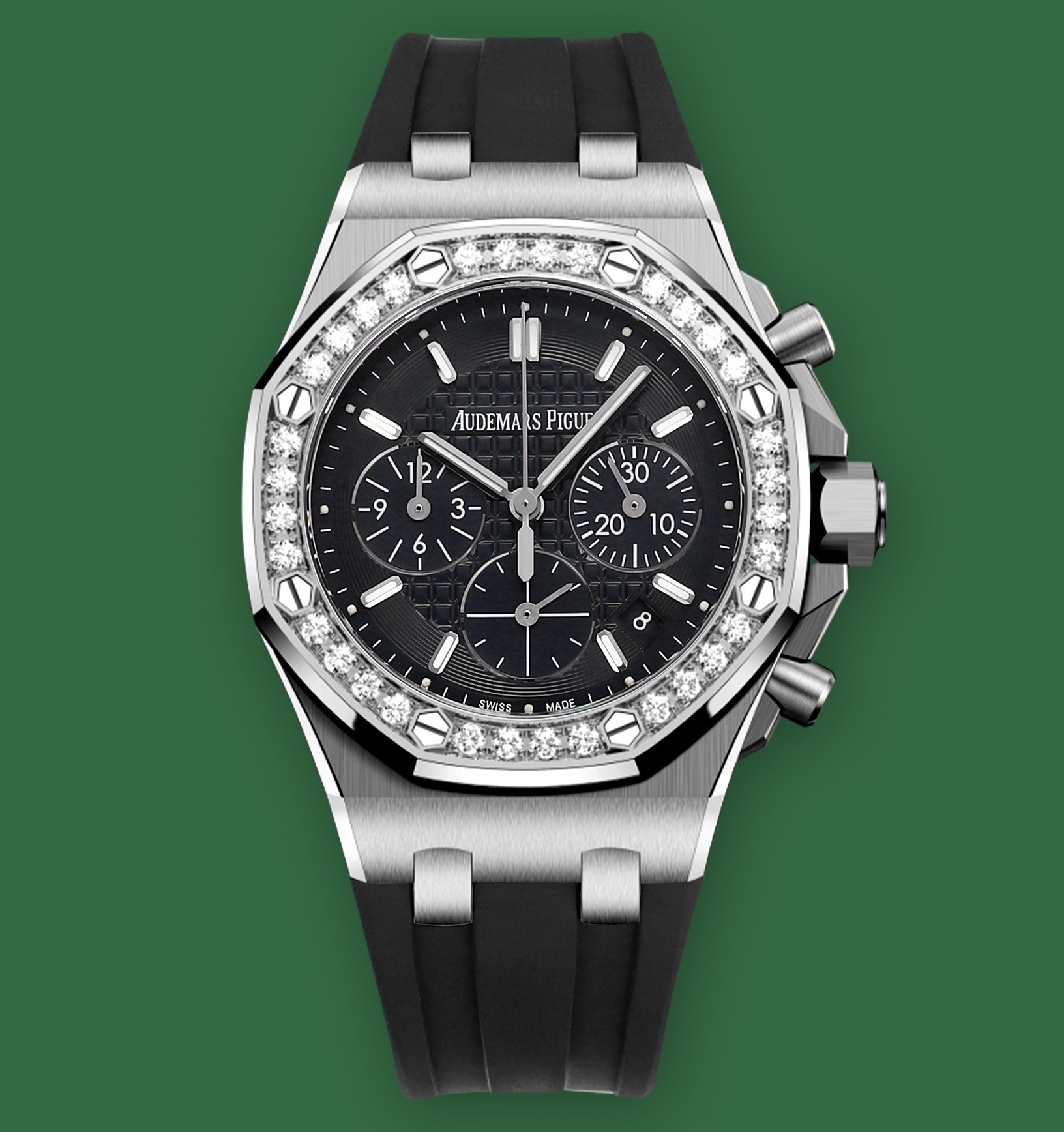
"Top-tier cloned watches" is a nickname, not a certificate. The phrase exists in seller listings and watch-forum threads, and no organization anywhere awards it, audits it, or defines it. When you see the grade, you are seeing marketing vocabulary that borrows the sound of an inspection result without any inspection behind it. Where the term came from and how it works are questions of forum history, not quality control.
Where the term actually lives
The phrase circulates in three places: replica seller listings, buyer forums where people compare their purchases, and the chat channels of online dealers. It functions as shorthand for "the best the seller is offering," with the seller and the community each using the word their own way. Because it lives in forums rather than in any official grading system, its meaning drifts from thread to thread and year to year. The wider grading vocabulary it belongs to is unpacked in replica watch grading claims.
The grade ladder it stands on
Grade words for replicas have a visible history, even if none of it is official. Early listings leaned on letter grades borrowed from other gray markets — "AAA" being the best-known — before terms like "1:1" and "super clone" took over, and later "top-tier" and similar phrases arrived on top. Each new word is minted when the previous one stops impressing buyers, which is the opposite of how real standards work: a real grade is fixed by a standards body precisely so it cannot be inflated. No body has ever fixed any of these terms.
What "top-tier" is meant to imply
The phrase is engineered to imply a ranked comparison: better materials than lower tiers, a better movement, a case closer to the genuine article. Implied is the operative word. A seller can attach the label to any inventory at any time, and nothing in the listing demonstrates the comparison it invites. Two sellers using the word "top-tier" may be describing products of different quality, from different suppliers, with different movements.
Why nobody can verify the tier
Verification would require the things every grading system needs and replica sales lack: a published specification for each tier, an inspection body independent of the seller, and a registry tying a specific watch to a specific result. None of these exist. The buyer receives an unverifiable claim, and the seller keeps the flexibility that the absence of standards provides. The same absence of documentation underlies the factory-name vocabulary described in Noob vs Clean factory terminology.
The same word in other product categories
Letter grades and "tier" language are not native to watches. The same vocabulary circulates in other gray markets — luggage, sunglasses, leather goods — where sellers use identical phrases to rank goods that have never been independently inspected. The portability of the language is itself informative: a term that works in any category is doing marketing work, not carrying a measurement. Watches are unusual only in how elaborate the ladder has become, because buyers of imitation mechanical watches discuss movements, batches, and factories the way collectors of genuine watches discuss calibers and references. The imitation extends to the vocabulary.
How the nickname spreads
Grade vocabulary travels the same path as other forum slang: coined in a listing or a dealer's chat, repeated by buyers comparing purchases, then picked up by other sellers once the word starts doing work. Translation adds a layer — communities in different languages adopt the same terms at different speeds, so a word like "super clone" can be fresh in one community while it is already discounted in another. None of this spread involves a definition, a standard, or an audit; it is adoption, not accreditation. That is why a term's age and its trustworthiness are unrelated, and why new terms deserve more suspicion than old ones, not less.
How to read the term when you see it
Read "top-tier" as a statement about the seller's confidence, not the product's properties. Then look for the properties that can be checked independently: the movement type, the case material, the dimensions. Those facts are knowable in a way the tier never is, and a listing that leans entirely on grade words while skipping the checkable facts is telling you which it has. Our factory guides explain the sourcing vocabulary used alongside these grades, and the FAQ covers the questions that follow from it.
Frequently asked questions
Is 'top-tier' an official grade anywhere?
No. No industry body, standards organization, or brand defines tiers for unauthorized copies. The word is seller and forum vocabulary with no inspection behind it.
Did 'AAA' ever mean something specific?
Not in any standardized way. The letter-grade convention appears across gray-market product categories as marketing shorthand, and it was never pinned to a definition a seller could be held to.
Do forums agree on a ranking of tiers?
No. Individual threads have their own opinions, and communities disagree about which sellers and tiers deserve the words. There is no single accepted ranking to consult.
Is a top-tier replica closer to the genuine watch than a lower grade?
It may be, in a particular seller's inventory, but the label alone cannot demonstrate it. Without a specification for the tier, the word carries no measurable content.
Этот контент предназначен для общего часового образования. Он не подтверждает подлинность отдельных изделий и не гарантирует их аутентичность, а также не связан со сторонними брендами или фабриками.