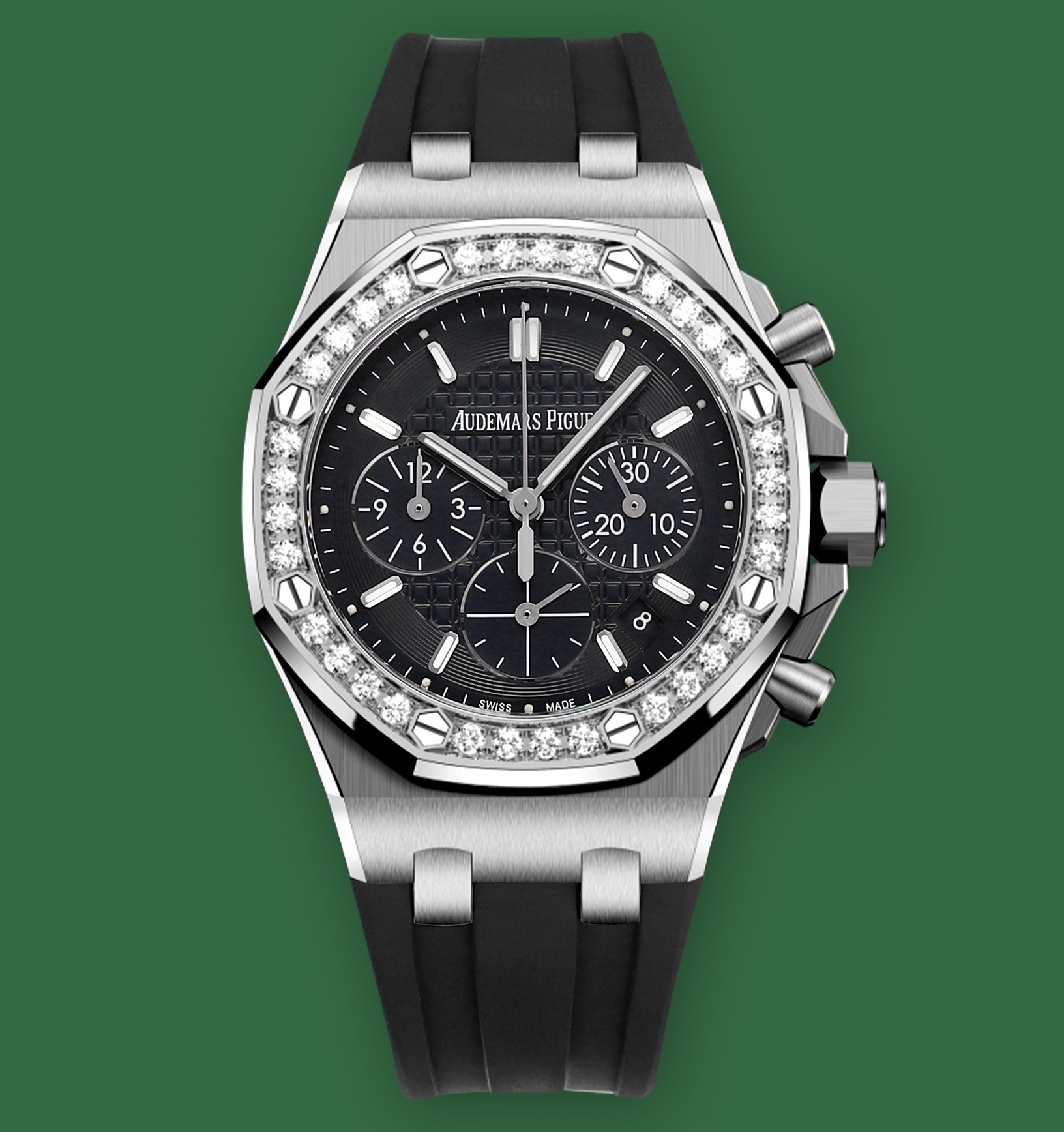
No. The origin of the 'AAA-grade' nickname proves nothing about any watch, because the term has no official origin at all. 'AAA-grade replica watches' is seller shorthand — a marketing tier with no certifying body, no published standard, and no one to complain to when a watch fails the grade. This article explains where the nickname appears to come from, how it is used, and why its history is irrelevant to authenticity.
What 'AAA-grade' is used to mean
In replica listings the grades run A, AA, AAA, and sometimes further — AAAA, AAAAA, or '5A'. Sellers use the ladder to suggest that higher letters mean better workmanship, closer case finishing, or a more faithful movement. No standards organization defines any of these tiers, and two sellers' 'AAA' routinely mean different things. The grade is a claim about quality, and claims of this kind are covered in our replica grading claims guide.
Where the letter grades appear to come from
The letter-grade system predates today's watch forums and appears across many replica categories — handbags, belts, sunglasses, sneakers. It mirrors the tiering language of wholesale markets, where letters are used as shorthand for supposed quality levels. No one has documented an official source for the grades, and that absence is the point: a term with no issuing authority cannot have a verifiable history. Forum members regularly note that grades are reused, inflated, and redefined, which is exactly what happens to vocabulary with no keeper. The earliest appearance of any particular grade is undocumented, and sellers on different platforms have used the letters differently at different times, so even a timeline would vary by marketplace. The same pattern shows up across the factory terminology described in our Noob, Clean, and factory terms explainer.
How the nickname gets stretched in use
Watch the escalation pattern in listings over time: AAA becomes AAAAA, then 'Swiss grade', then '1:1', then 'super clone'. Each new term recruits the same belief — that a higher label means a better copy — and each one starts its life as marketing with nothing behind it. Sellers benefit twice: the new term sounds precise, and the old terms are never retired, so the whole ladder is for sale at once. The same ladder can repeat inside a single listing: one seller offers the same model as AA, AAA, and '5A' at three price points, with identical photos across all three. When the only variable is the letter, the grade is doing pricing work, not describing workmanship. The ladder is also platform-specific: a seller can call the same piece 'AAA' on one marketplace and '1:1' on another, because each audience recognizes different words.
Why forums cannot settle the question
The origin debate resurfaces constantly and never resolves, for a structural reason: there is nothing to resolve it against. Every participant is working from seller text and memory, because no catalog, standard, or authority records what any grade is supposed to mean. A disagreement without evidence can only end in another thread — which is also the most useful lesson the forums teach.
Why the origin question is the wrong question
Even if a grade's origin were known, origin is not evidence. A nickname describes a claim, not a physical fact, and a watch is authentic or not based on how it was made and by whom. That question is answered by inspecting the case, dial, movement, and documents — see how counterfeit watches are identified. The useful question is not 'where did the label come from?' but 'what does the listing actually specify, and can any of it be checked?' The grade's history, even if it could be pinned down, would describe how sellers talked in the past — not how the watch in the listing was made.
Reading a grade the useful way
- Treat any letter grade as the seller's opinion, expressed in marketing vocabulary.
- Compare concrete specifications — movement type, case material, dimensions — not tiers.
- Expect no verification: there is no body that tests watches against a grade.
- Remember that genuine watches are never sold by letter grades; brands describe models by reference number and specification.
- If you buy, decide from the listed specifications and photos of the exact piece, and treat the grade as decoration — because the decoration is all a grade is.
The factory guides hub applies the same skepticism to the factory names that usually accompany these grades.
Frequently asked questions
Is AAA the highest replica grade?
There is no official scale, so no grade can be highest in any meaningful sense. Some sellers use AAAAA or 5A above AAA, which shows how elastic the ladder is.
Do genuine watch brands use AAA-style grades?
No. Genuine brands describe models with reference numbers and specifications. Letter grades exist only in replica marketing.
Why do listings use AAAAA or 5A if AAA was already the top?
Grade inflation. Extending the ladder makes the middle tiers look reasonable and lets sellers charge for a new top rung that has no more basis than the old one.
Can a grade be verified anywhere?
No registry, laboratory, or standard defines replica grades. Only physical inspection establishes what a watch actually is.
Этот контент предназначен для общего часового образования. Он не подтверждает подлинность отдельных изделий и не гарантирует их аутентичность, а также не связан со сторонними брендами или фабриками.