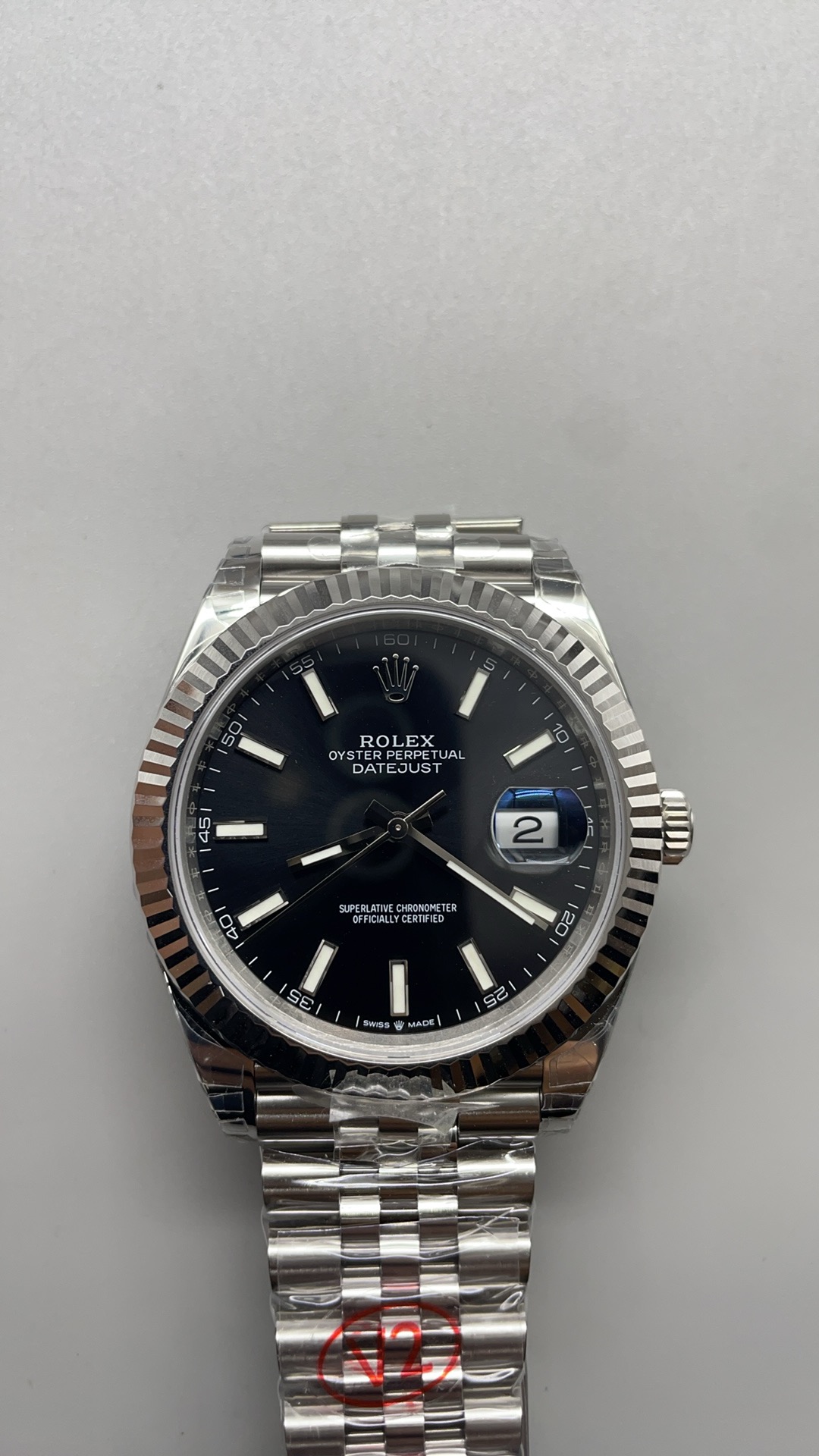
Serial numbers are engraved or printed characters, not cryptographic signatures — so copying one is as simple as programming the same text into an engraving machine. Genuine watches carry serials that brands use for their own internal records, but there is no public, universal registry a seller must pass, and nothing in the number locks it to a physical watch. That gap is exactly why replicas repeat real serial numbers by the thousands.
Where genuine serials actually live
Genuine brands engrave serials in places that require disassembly or a loupe to read. Rolex has historically engraved the serial between the lugs at the 6 o'clock position and, on many modern models, repeats it on the inner bezel ring; Omega uses an eight-digit serial format. The number's function is internal: it identifies a production record inside the brand's own systems. It is not a public credential, and it contains no embedded verification — a serial is data the brand can look up, not a seal that proves the watch.
Why sellers copy them
A plausible serial is a cheap authenticity cue. Most buyers never have a serial checked against brand records; they check whether a serial is present, looks engraved rather than printed, and matches the model's era. An unauthorized seller satisfies all three checks by engraving genuine-format serials onto thousands of cases. The cost is near zero, the inspection is shallow, and the number does its job — which is to survive a glance, not an archive search. And because buyers rarely compare serials across listings, the duplication stays hidden long enough to complete the sale, which was the only purpose it was meant to serve.
What reference markings add to the picture
The same logic covers reference numbers, model engravings, and hallmarks: all are text, all are visible in photographs, and all are reproducible by anyone with a genuine example and an engraving machine. Sellers copy the full set because buyers expect the full set — a case that reads correctly at a glance asks fewer questions. None of these markings are authentication technology; they are labeling, and labels can be reprinted.
Can a duplicated serial expose a watch?
Sometimes, and usually in the aggregate. A number that matches one reported as stolen, or one documented publicly as belonging to a known counterfeit batch, is decisive — that is one of the checks in our guide to identifying counterfeit watches. Individually, though, a duplicated serial is invisible: nothing about the engraving says “the fortieth watch with this number.” The tell appears when you compare across listings and find the same number on many watches — which is precisely what genuine serials do not do.
Is there a public database to check?
No universal registry exists. Brands do not publish production databases, so a buyer cannot generally look a serial up online and confirm the watch it belongs to. A few brands offer archive lookups for specific vintage models — Omega's archive service extracts production records for older watches — but these are exceptions and mostly cover historical pieces, not the current market. The practical consequence: an unverifiable serial carries no more weight than no serial at all, and a “verifiable” serial claim in a listing is marketing until the brand itself confirms it.
What to do with a serial before you pay
- Check the format against the brand's documented convention — digit count, position, and font. A serial that does not match its era's format is a visible error, no database needed.
- Search the number in forums and marketplaces. Duplicated serials leave public traces, and a forum search costs nothing.
- Request the papers and compare the serial on the card against the one on the watch; a mismatch is the cheapest decisive test available.
- Ask for brand service history, and remember that only the brand's own records can authenticate a serial — and those records are not searchable by you.
What the number is actually good for
Serial numbers were never designed as anti-counterfeiting technology, and a copied serial is not a sophisticated forgery — it is the same characters on a different case. The number becomes useful only when checked against something external: brand records, papers, or the public trail of a duplicated string. For the movement claims that usually travel with these listings, see our movement guide — the two subjects are usually argued together, and neither survives the same simple checks.
Frequently asked questions
Do all genuine watches have serial numbers?
Most from major brands do, but not all — some vintage pieces lost theirs to decades of polishing, and a few makers used different systems. A missing serial is a question, not a verdict.
Can polishing remove a serial number?
Yes. Serial engravings on case flanks are shallow, and aggressive refinishing can erase or blur them — one reason vintage watch dealers examine engravings with a loupe before purchase.
Is a missing serial always a sign of a counterfeit?
No. A missing or polished-away serial happens on genuine vintage watches too. The red flag is a missing serial combined with other inconsistencies — mismatched papers, a wrong-format reference, a price too clean to be true.
Why don't brands publish serial databases so buyers can check?
Because the records are internal production data, and a public lookup would hand counterfeiters a validation service — a genuine-looking serial that passes an online check would be more valuable, not less.
This content is for general watch education. It does not verify any individual product or guarantee authenticity, and it is not affiliated with third-party brands or factories.