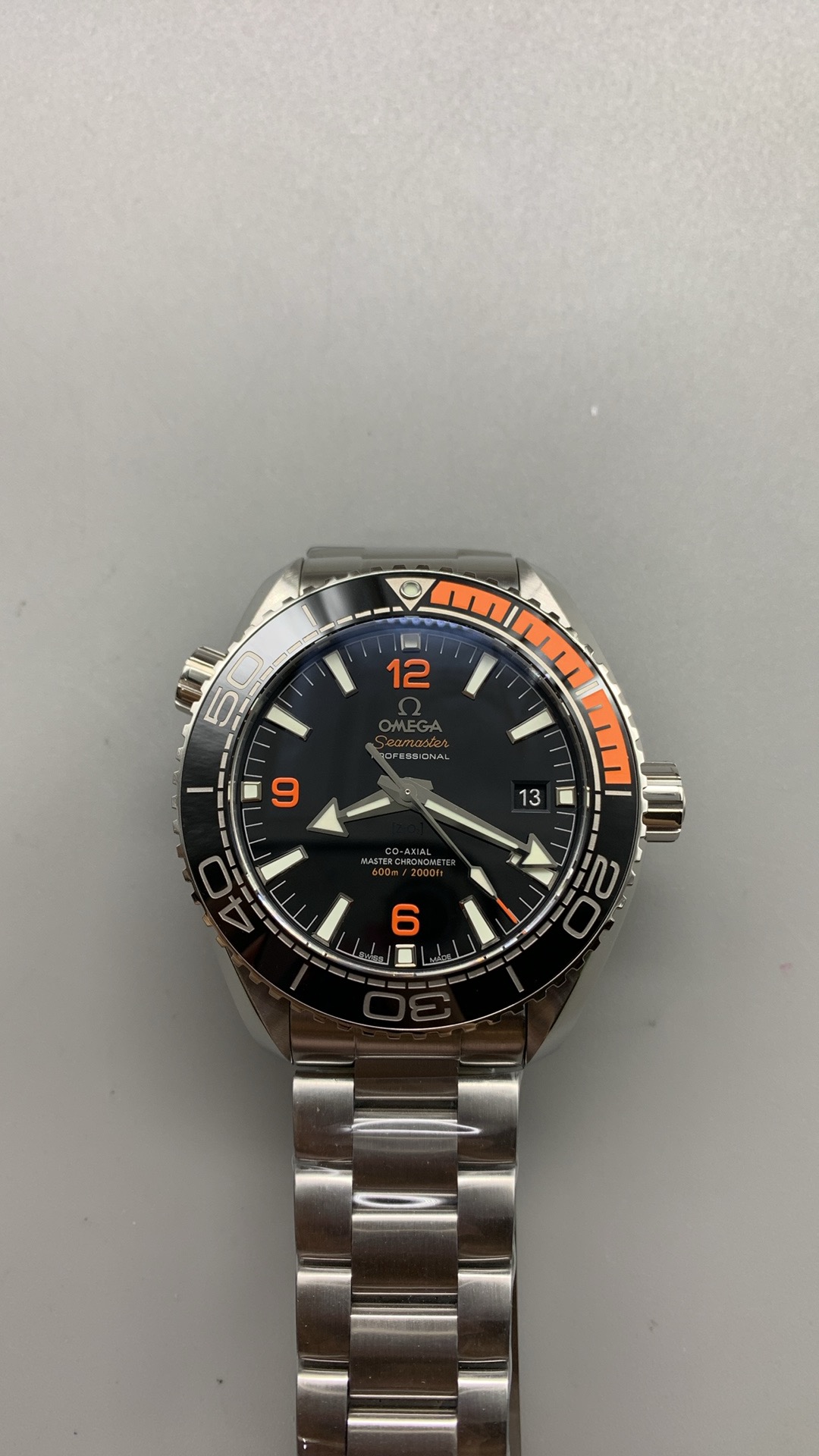
The short answer is no — disclosure does not convert an unauthorized copy into a lawful product. Selling a counterfeit watch infringes the trademark whether or not the listing admits what it is; the admission only removes the separate problem of deceiving the buyer. The two issues are easy to confuse, and resale listings sit on both of them at once, so the terms are worth separating before looking at how different countries handle each.
Two terms, two different problems
Resale disclosure
Resale disclosure means telling the buyer, before money changes hands, what the item actually is: that the watch is an unauthorized copy and not a product of the brand on the dial. Disclosure is about honesty between seller and buyer.
Counterfeit misrepresentation
Counterfeit misrepresentation means presenting the item as something it is not — calling it genuine, adding fake papers, or photographing it to hide the telltale signs. Misrepresentation is a separate wrong, and in most jurisdictions it stacks on top of the trademark problem rather than replacing it.
Where the confusion comes from: sellers sometimes argue that "I told the buyer it was a replica" settles everything. It settles the honesty question. It does not touch the brand's trademark rights, and it does not make the transaction lawful.
What disclosure actually changes
Honest disclosure can defeat a buyer's "you lied to me" claim — the fraud and misrepresentation side of the deal. It cannot defeat a trademark claim, because the rights holder was never a party to the disclosure. This is why "disclosed replica" listings still get removed by marketplaces and still create legal exposure for the seller. A disclosed counterfeit remains a counterfeit; the disclosure simply moves the deal from "deceptive and infringing" to "infringing." That distinction matters to the buyer's remedies and the seller's exposure, which is why the two ideas should be kept apart even though sellers routinely fold them together.
Why misrepresentation is the compounding error
Presenting a replica as genuine adds consumer-protection law, advertising rules, and in many countries criminal fraud provisions to the picture, and it converts the buyer from participant to victim. It also destroys any goodwill a seller might otherwise have had in a dispute. In practice, the misrepresentation is often how the transaction is discovered at all — a buyer who thought they bought a genuine watch investigates, reports, and demands a refund, and the case grows from there. The physical signs that give a replica away are cataloged in how to identify counterfeit watches.
How countries approach the two problems
National systems vary in penalties and enforcement priorities, but the core rules are consistent. Trademark law in the United States, the European Union member states, and the United Kingdom all prohibit the sale of goods bearing infringing marks, disclosed or not. Consumer-protection rules in the same countries prohibit material misstatements in sales. The differences show up at the edges — how easily a rights holder or buyer can act, and how hard enforcement lands — not in whether the conduct is restricted. Because the listing language itself is part of the problem, see replica watch grading claims for how "AAA" wording is used.
Where sellers try to split the difference
Some listings attempt a middle position: the case is described as a "custom build," the movement as "aftermarket," and the dial print is simply visible in the photos. The intent is to keep the trademark in sight — that is what draws the buyer — while avoiding the words that trip a platform filter. The strategy changes the listing's language but not its legal character. A watch that displays another brand's protected marks without authorization is a counterfeit whether the description says "custom," "modified," or nothing at all. The language only affects how quickly the listing is removed and how the buyer's complaint is framed.
What marketplaces do regardless of country
The major platforms apply their own authenticity rules on top of local law. Their policies generally prohibit counterfeit items whether disclosed or not, and sellers who admit an item is a replica in the listing usually trigger the rule faster, not slower. The practical upshot for anyone reselling: there is no compliant channel for reselling a counterfeit watch, and the honest listing is the one that gets removed first. The questions buyers and sellers ask about this are gathered in our FAQ.
Frequently asked questions
Can I resell a replica if I tell the buyer it is a replica?
The disclosure protects you against a misrepresentation claim from that buyer, but not against trademark infringement, which exists independent of what the buyer knew. In most jurisdictions the sale remains restricted.
What counts as misrepresentation in a resale listing?
Describing the watch as genuine, attaching fake documentation, using the brand's name in a way that implies authenticity, or editing photos to hide flaws. Any statement that makes the buyer believe they are getting a genuine watch.
Do fake papers make it worse?
Yes. Forged documentation is a separate act of misrepresentation on top of the counterfeit itself, and it usually upgrades the buyer's complaint and the seller's legal exposure.
What should I do with a replica I no longer want?
There is no lawful resale channel for a counterfeit watch. Selling it, even honestly, keeps the infringement alive. Disposal or surrendering it to authorities are the available options, depending on where you live.
This content is for general watch education. It does not verify any individual product or guarantee authenticity, and it is not affiliated with third-party brands or factories.