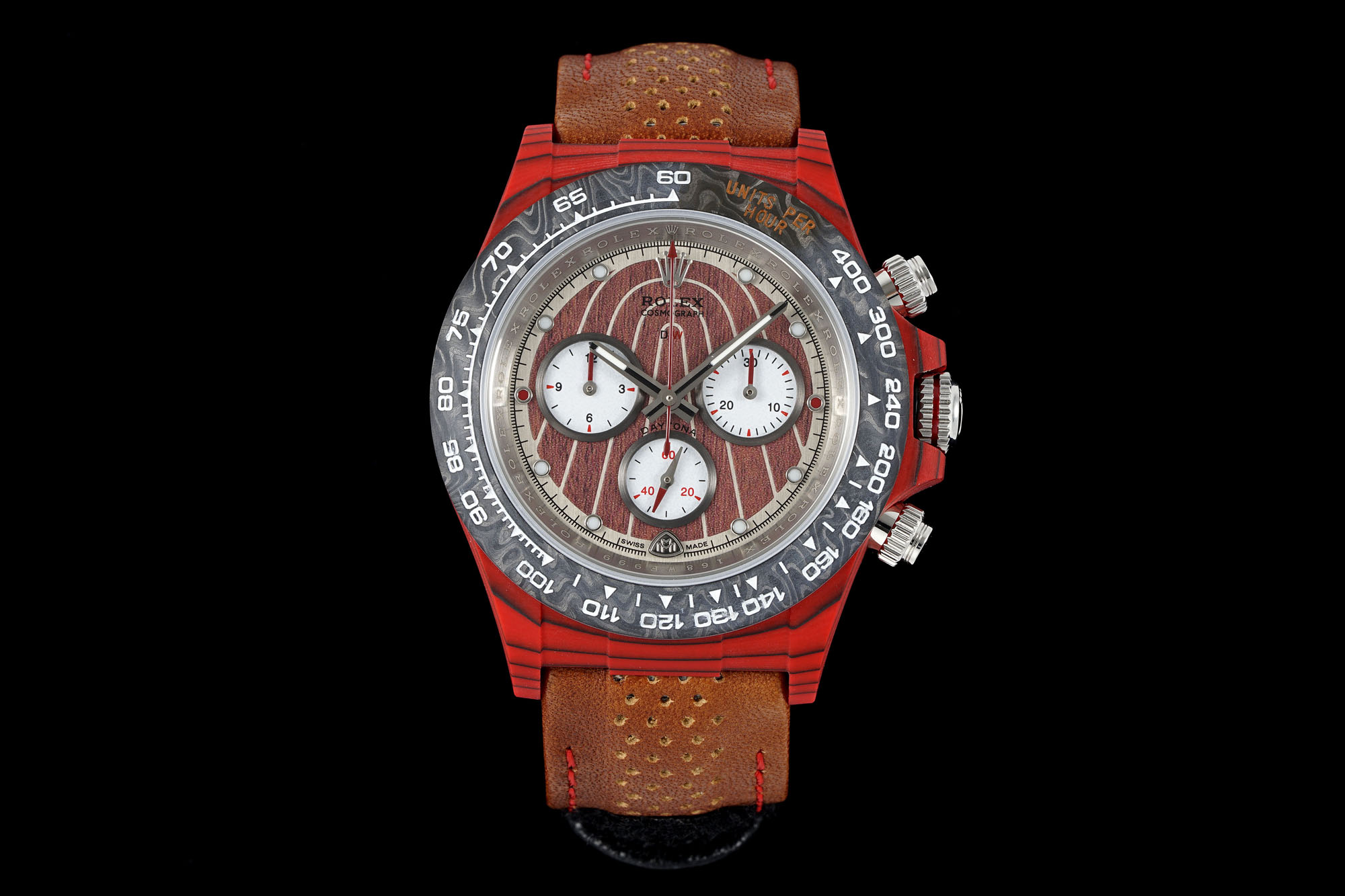
If a listing turns out to be deceptive, the evidence you kept decides what you can prove later. For trademark and cross-border issues, the records that matter are the listing itself, the seller's specific claims about brand and markings, the payment trail, and any customs paperwork. Counterfeit goods infringe trademarks in most jurisdictions and are routinely subject to seizure at borders, so this documentation is the difference between a dispute you can pursue and one you can only regret.
Why trademark and customs are the two live risks
A counterfeit watch is, at minimum, a trademark problem: it carries marks it has no authorization to use, and trademark law in most jurisdictions protects exactly that. The second risk is practical: customs authorities in many countries are authorized to detain and seize goods they determine to be counterfeit, and a buyer can end up with a seizure notice instead of a watch. Neither outcome cares what the listing called it — "AAA-grade replica watches," "tribute," and "homage" are marketing language, not legal classifications. What the goods are and what marks they bear is what customs and courts look at.
The words that decide the outcome
Trademark
A word, symbol, or design that identifies the source of goods. A watch that carries another brand's mark without authorization is the standard example of infringement, whatever the seller's description says.
Counterfeit
Goods made to pass as the real thing, usually by copying protected marks or designs. The copying — not the quality — is what makes the legal category. A watch does not stop being counterfeit because it runs well.
Gray market
Genuine goods sold outside a brand's authorized channels. Gray market is a distribution question, not an authenticity question — useful to know, because sellers sometimes blur the two: a gray-market watch is still genuine, while a labeled "replica" is not.
Declared value
The value stated on shipping and customs paperwork. Discrepancies between the declared value and what you paid are worth capturing; they are part of the paper trail if a shipment is inspected.
The evidence, piece by piece
| Evidence | What it proves | How to preserve it |
|---|---|---|
| Listing screenshots with URL and date | What was offered, at what price, with which photos | Capture before contacting the seller; listings get edited or deleted fast |
| Seller messages about brand, logo, movement, grade | The specific claims and who made them | Keep originals in the platform's message system; export copies |
| Order confirmation and payment record | That a transaction happened, and its terms | Save the confirmation page, the email, and the payment statement |
| Shipping label and customs declaration | What the seller declared to the carrier and the border | Photograph the package before opening; keep all paperwork |
| Photos of what actually arrived | The discrepancy between claim and goods | Shoot the same angles as the listing photos, in daylight |
The theme across the table: preserve everything before you act on anything. Contacting the seller, opening a dispute, or filing a chargeback can all prompt the seller to delete or alter the listing — so the record has to exist first.
When the package stops at customs
A customs seizure notice is an official letter stating that goods have been detained, usually with a deadline and a process to respond. The correct response is honest and prompt: respond with the facts, keep copies of everything, and do not send money to anyone claiming they can "release" counterfeit goods. Sellers sometimes offer to reship; a reshipment is a second import with the same legal exposure, and the first seizure notice is itself evidence you should file away rather than discard.
Words sellers use to soften the risk
Listings lean on euphemisms — replica, tribute, homage, AAA, grade 1:1 — that sound like categories but have no legal standing. A watch that copies protected marks without authorization is not made legal by a label, and the grading claims attached to it are seller-defined marketing. The same caution applies to "genuine leather," "Swiss movement," and other material claims: if it matters, get it in writing in the listing, because that is where a dispute will read it.
Where the record leads
A complete evidence file serves every path at once: a platform dispute, a payment-provider chargeback, a report through the counterfeit identification channels, or an informed decision to do nothing. Build the file the day you buy, not the day something goes wrong. More background on the terms and questions involved is in the knowledge section and the FAQ.
Frequently asked questions
Is buying a counterfeit watch illegal?
It varies by jurisdiction and is rarely the buyer's main exposure; importing counterfeit goods is the sharper risk in most places, since customs can seize them.
What is a customs seizure notice?
An official letter stating goods have been detained, usually with a response deadline. Answer it honestly and keep copies.
Do "homage" watches carry the same risk?
The risk attaches to copied marks, not to labels. A watch that copies protected logos or designs without authorization faces the same questions whatever the seller calls it.
How long should I keep these records?
Past the longest applicable deadline — platform dispute, chargeback window, and any customs process — plus a buffer. Storage is free; reconstruction is not.
What if the seller offers a refund if I delete my review?
Do not trade evidence for money. Keep the record, accept a refund through the platform's process if one is offered, and let the documentation stand.
Este contenido tiene fines educativos generales sobre relojería. No verifica ningún producto individual ni garantiza su autenticidad, y no está afiliado con marcas ni fábricas de terceros.