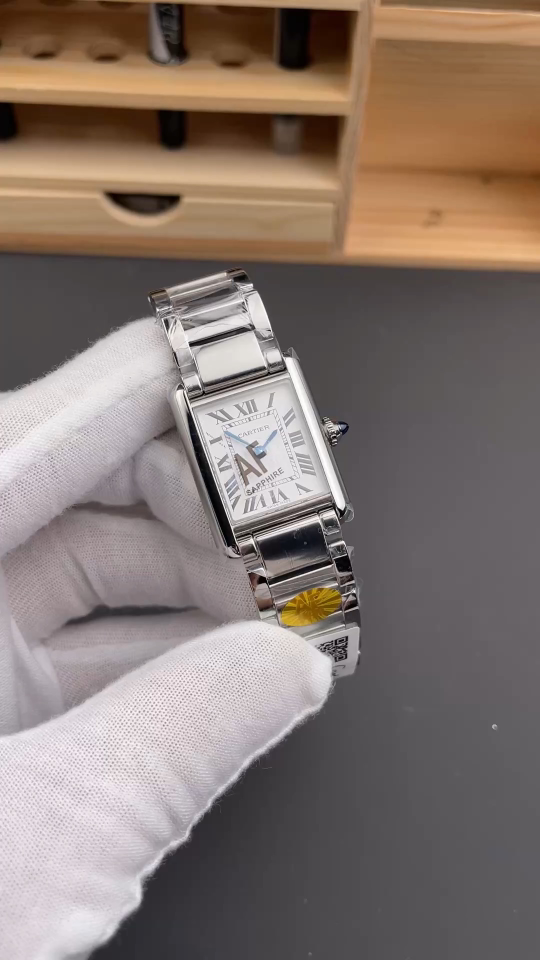
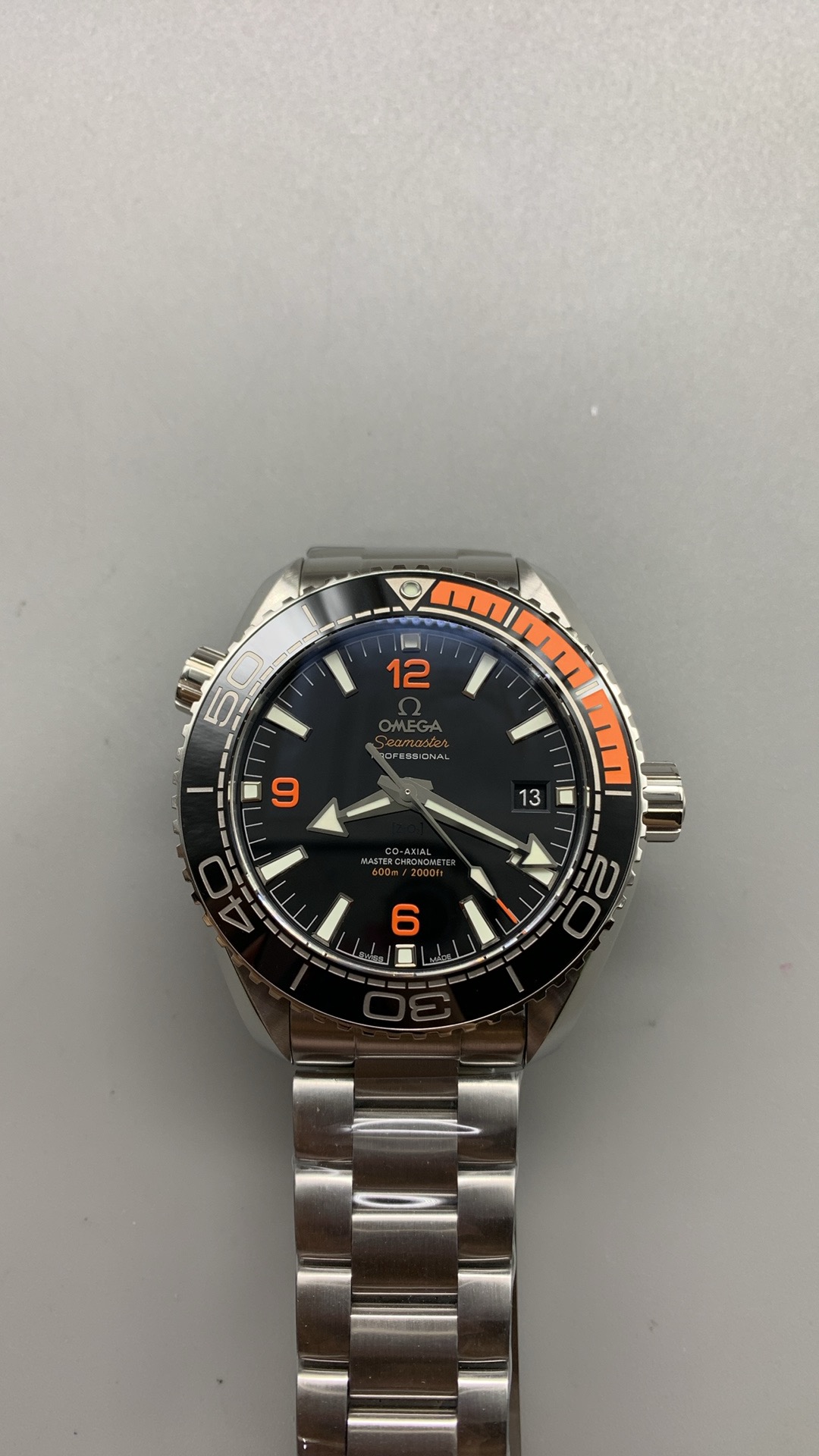
Timekeeping and power-reserve claims vary between NOOB-labeled watches because no standardized production, regulation, or testing stands behind the label. Printed figures in listings — a daily rate, a reserve in hours — are copied from the genuine watch's published specifications, not measured results for the unit being sold. This decision guide walks through where the numbers come from and what to do with them.
Where the printed numbers come from
Rate claims trace back to published standards for genuine movements. COSC chronometer certification requires an average daily rate within −4 to +6 seconds, and Rolex's Superlative Chronometer standard since 2015 tightens the claim to −2/+2 on the models that carry it. Power-reserve figures are equally borrowed: 48 hours for the Rolex 3135, 70 for the 3235, around 38 for an ETA 2824-2. A listing that writes these numbers next to a clone movement is quoting the genuine specification, whether or not it says so. The mechanics behind the terms are explained in automatic vs quartz movements.
Reserve claims deserve the same skepticism, with one extra trap. Sellers often state a reserve that matches a genuine movement the watch does not contain — a 70-hour figure next to a clone 2836, for instance — and the contradiction is only visible to a buyer who knows which architecture the listing actually names. The decision steps below exist to surface exactly that contradiction before money moves.
Why results spread across the same label
The label names no consistent movement, so performance spreads for structural reasons before assembly quality is even considered. On top of that: clone movements are regulated at assembly to varying degrees; lubrication quality and quantity differ; positional error, where rate changes with the watch's orientation, is rarely corrected; and storage time affects how a movement arrives. Two watches from the same listing can measure differently on the same day, and the same watch can measure differently a month later.
Decision step one: read the claim as marketing
Start from the position that a performance figure in a listing is advertising, not data. Any claim that quotes a famous standard — 'chronometer grade,' 'Superlative spec,' 'tested −1/+2' — is describing a standard, not this watch. If the seller includes a timegrapher photograph, note what it cannot show: which watch was on the machine, in how many positions, and how long ago. Ask for the test receipt and expect nothing.
Decision step two: ask what the movement is
Because the label spans several movements, the movement choice is the single largest driver of expected performance. A clone of the 3135 or 3235 architecture has a longer published reserve to aspire to than a clone 2836, and a Miyota 9015 is a genuine movement with its own factory quality control. Pin the movement down in writing before evaluating any number attached to it, and keep that written answer as part of the purchase record.
Decision step three: plan to measure on arrival
Whatever the listing says, the buyer's own measurement is the only one that matters. A timegrapher — or a shop that will run one for a small fee — shows rate, beat error, and amplitude in several positions in minutes. Compare the result to the claim, then decide whether to keep, return, or regulate. Home measurement is part of the routine in the mechanical watch care checklist.
Decision step four: weigh servicing reality
Unregulated clone movements drift, and when they do, service options are uneven: clone parts are not always available, and watchmakers differ in willingness to work on them. A buyer budgeting only the purchase price is budgeting for a disposable movement. The most defensible approach is to expect the low end of the range the architecture can produce, treat anything better as luck, and read the seller's grading language through replica watch grading claims before paying for words.
A realistic target instead of a promise
Set expectations from the architecture, not the advertisement. A well-regulated clone 2836 can land within double-digit seconds a day and hold a day and a half of reserve; a clone 3235 can do better when assembled well, but 'when' is the operative word. None of it approaches the consistency of a certified genuine movement, and no seller's sentence changes that. The decision guide's bottom line: the claim tells you the standard being imitated; the measurement tells you the watch.
Frequently asked questions
What is −4/+6 seconds a day?
The COSC chronometer standard for average daily rate. Rolex's Superlative Chronometer claim is −2/+2. Both are published standards, not per-unit certificates for unauthorized copies.
What does a timegrapher photo in a listing prove?
Only that some watch was on a machine at some moment. It does not identify the unit being sold or its performance across positions.
What reserve should I expect from a clone 2824 or 2836?
Treat the genuine architecture's published figure — 38 to 40 hours — as nominal, not guaranteed. Unregulated clone units vary, and forum owners report drift over months.
Do clone movements drift after a few months?
Drift is commonly reported, driven by regulation and lubrication quality at assembly. Service options are uneven because clone parts are not always available.
Этот контент предназначен для общего часового образования. Он не подтверждает подлинность отдельных изделий и не гарантирует их аутентичность, а также не связан со сторонними брендами или фабриками.