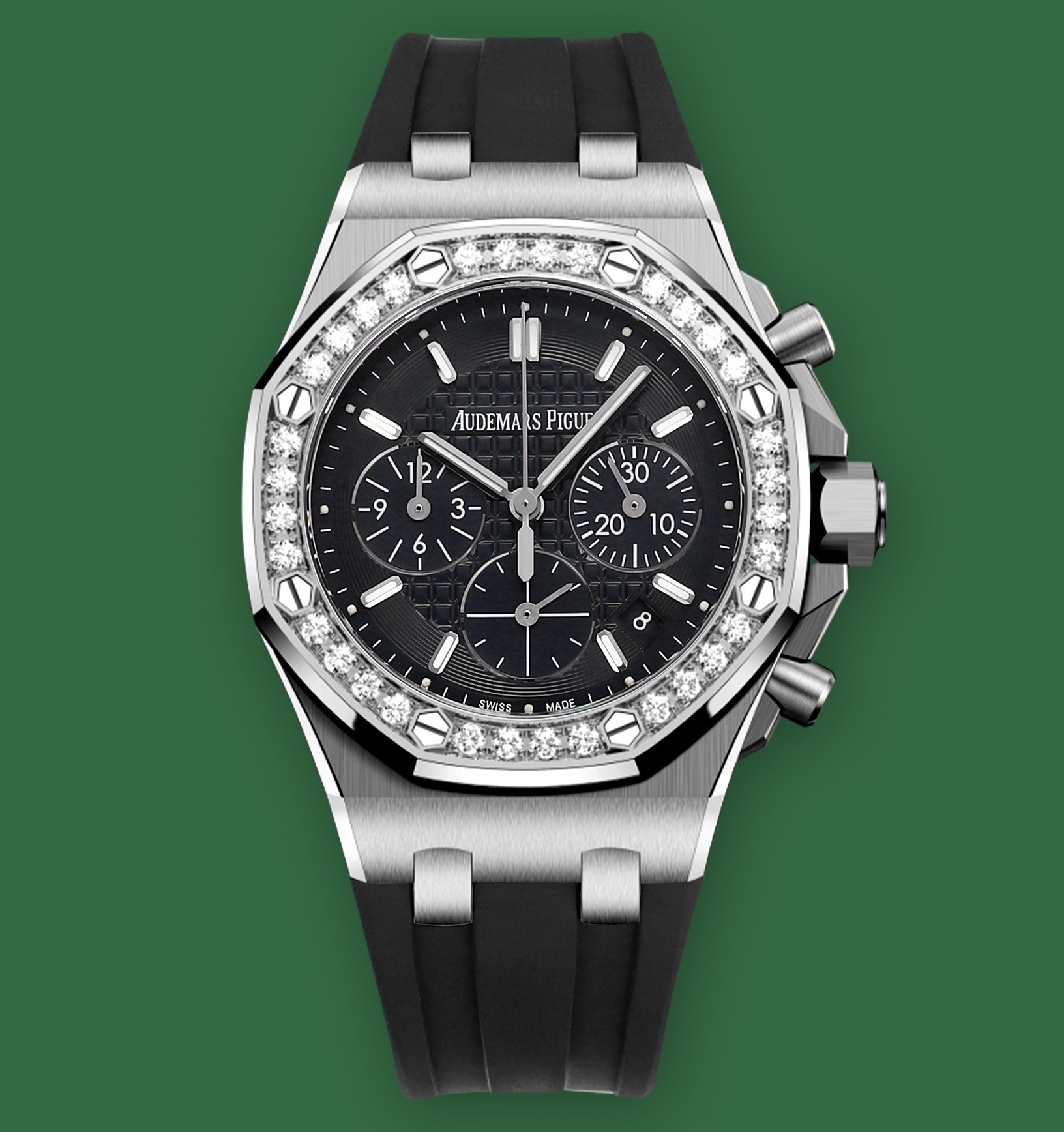
Yes — trademark and import rules for watches sold under labels like “BV factory” vary meaningfully by country, even though every major market treats trademark counterfeits as illegal. What changes is enforcement: who seizes, which penalties apply, whether single personal-use packages get the same treatment as commercial shipments, and how aggressively borders screen. A purchase that is merely risky in one jurisdiction can be flatly unlawful to import in another, and the seller's factory label changes none of that. The buyer carries the import risk in every version of this transaction.
Why trademark law applies to a factory label
The label does not change what the goods are. A watch bearing Rolex, Omega, Cartier or Audemars Piguet marks without authorization is a counterfeit under trademark law, no matter what provenance the seller claims for it. Factory names such as BV, Noob and Clean are forum terminology, not legal categories: there is no registration, no audit and no legal recognition attached to them. Calling a counterfeit “BV factory” is a marketing sentence, not a defense, and border authorities evaluate the goods by their marks rather than by the seller's story. The same is true in the seller's own country, where manufacturing and selling such goods is generally illegal even if enforcement focuses on production rather than single parcels.
Country by country at a glance
The table summarizes the general stance of major markets. The entries describe the legal position and enforcement posture, not a prediction about any specific package.
| Country or region | General stance on counterfeit imports | Practical notes |
|---|---|---|
| United States | Importing trademark counterfeits is prohibited, including single items for personal use | Customs seizes at the border; no personal-use exception |
| European Union | Customs can seize and destroy suspected counterfeits, including small consignments | EU customs enforcement rules apply across member states |
| United Kingdom | Counterfeit imports are illegal under the Trade Marks Act | Border Force seizes; penalties escalate with volume |
| China | Manufacturing and selling counterfeits violate PRC trademark law | Enforcement concentrates on production and commercial sale |
| Switzerland | Strong trademark protection, including for Swiss-made labeling | Customs enforcement is active on branded goods |
| United Arab Emirates | Counterfeit trade carries criminal penalties | Heavy screening at a major trade and transit hub |
| Singapore | Strict trademark regime with border enforcement | Small parcels are screened too |
| Japan | Customs seizes trademark-infringing goods | Personal-use packages are not exempt |
What “personal use” actually covers
The common assumption that one watch for yourself is fine is wrong in several major markets. The United States offers no personal-use exception for counterfeit goods. The European Union's small-consignment procedure allows customs to destroy suspect packages without a court process — faster handling, not permission. Several other jurisdictions technically prohibit personal importation but concentrate enforcement on commercial volumes, which is a statement about capacity rather than legality. Not being caught does not make importation lawful, and the difference between “rarely enforced” and “permitted” is one sellers do not explain and buyers learn the expensive way.
What this means for a BV factory-labeled purchase
Strip away the label and the transaction is simple: money goes to a seller who takes no customs risk, and goods bearing another brand's marks cross a border the buyer chose. The buyer assumes seizure risk without compensation, and typical seller promises such as “reshipment if seized” are unenforceable claims with no legal backing. Transit routing does not remove the risk either — a package moving through a third country can be inspected there, and the laws of both the transit and destination countries apply at different points in the journey. Before buying anything under a factory label, it is worth the same review any counterfeit-detection guide suggests, plus one question those guides cannot answer: what does your own country's customs authority do with this package? Where grading and provenance claims are marketing, customs law is not, and the answers are not the same on both sides of any border. If in doubt, the practical questions are best checked against official customs sources rather than seller advice.
Frequently asked questions
Is buying a counterfeit watch for personal use legal in the United States?
No. US law prohibits importation of trademark counterfeits even in single-unit quantities for personal use, and Customs seizes such goods.
Does the “BV factory” label provide any legal protection?
None. The label is forum shorthand for a claimed source; it has no legal status and does not change the trademark status of the goods.
Are watch parts and straps treated the same as complete watches?
Generally yes — trademarked components such as dials, bezels, crowns and branded straps fall under the same trademark protections as complete watches.
Do customs authorities always find small packages?
No. Screening capacity varies by country and volume, but evading screening does not make importation legal.
Этот контент предназначен для общего часового образования. Он не подтверждает подлинность отдельных изделий и не гарантирует их аутентичность, а также не связан со сторонними брендами или фабриками.