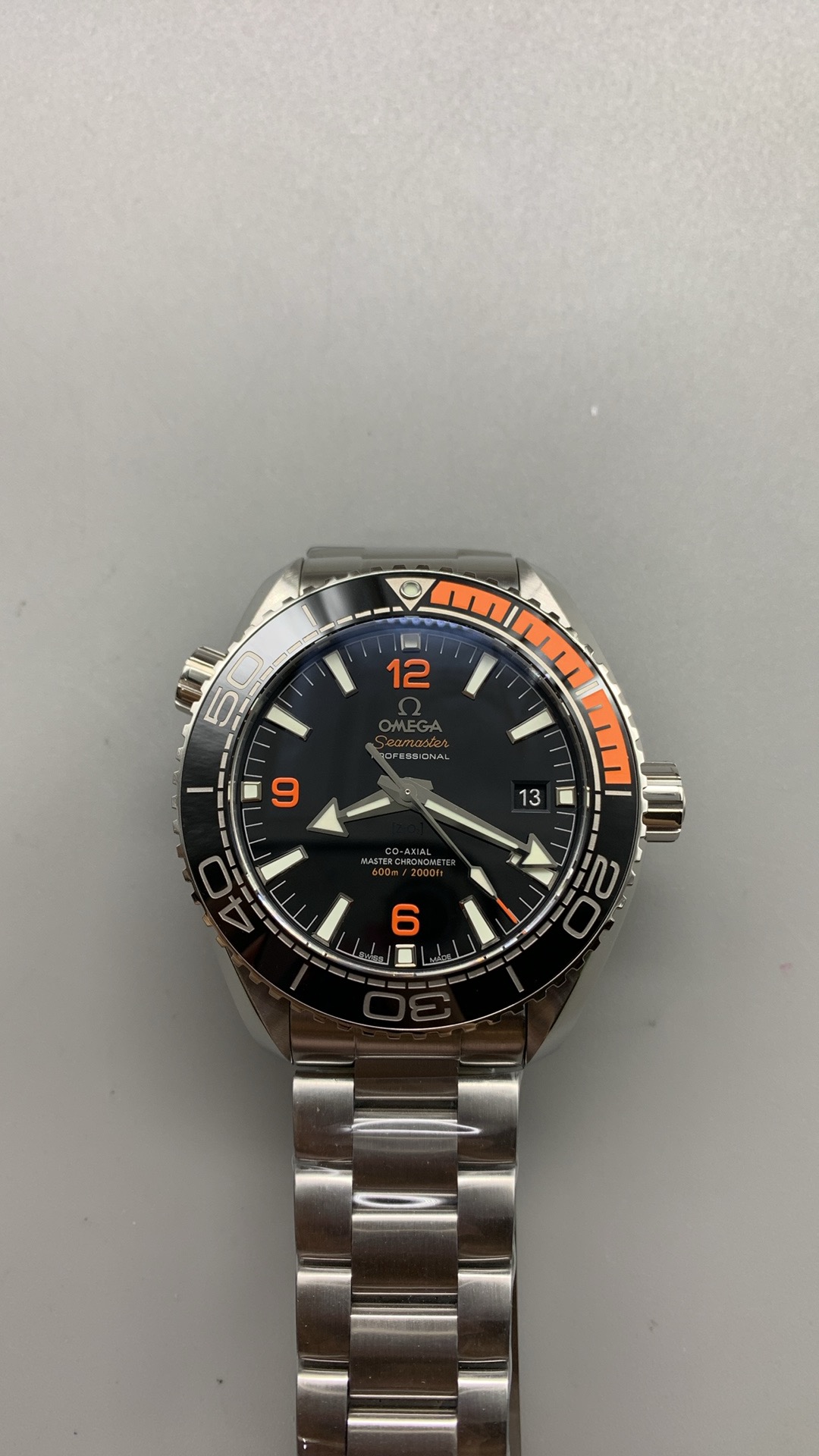
The short answer: clean a watch sold as "VS factory" exactly as you would any mechanical watch you intend to keep — mild soap and lukewarm water for a water-resistant case with the crown screwed down, a soft dry cloth for everything else, and never heat. Humidity trouble, from fog under the crystal to streaked dials, comes from sealing gaps or from habits, and its warning signs are identical on any watch. Four scenarios cover the practical questions owners actually meet.
Scenario one: daily dirt and fingerprints
The daily routine needs one tool: a soft cloth. Wipe the case, crystal and bracelet after wear; it removes skin oils and sweat that otherwise collect at the caseback and between links. When the bracelet needs more, lukewarm water and mild hand soap with a soft toothbrush handle it — then rinse and dry completely, since trapped water between links is itself a humidity source. Two cautions carry real weight. Household cleaners, especially ammonia-based ones, can attack gaskets, coatings and plated surfaces. And an ultrasonic cleaner is for the bracelet off the watch, never the watch itself: the vibration can loosen screws, damage hairsprings and unseat jewels. For routine upkeep, a dry microfiber cloth beats polish and wax; abrasive polishing compounds remove metal along with the scratches.
Scenario two: after salt water or heavy sweat
Salt is the enemy of metal and gaskets alike. After the beach or pool, rinse the watch in fresh lukewarm water — crown first confirmed screwed down — and dry it. Rinse within the hour where possible; dried salt is far harder to remove than wet salt. This applies only when the watch's water resistance is trusted and tested; a watch of unknown sealing history should be wiped, not rinsed. Leather straps skip every wet step: leather absorbs water, stains and weakens, so a leather strap comes off before any washing and stays dry. For swimming, a bracelet or rubber strap is the only sensible choice.
Scenario three: fog inside the crystal
Fog or droplets under the crystal mean moisture is inside the case, full stop. The classic test is temperature change: moving a cold watch into a warm room makes internal moisture condense, so fog that appears and clears with temperature is still moisture, not an illusion. The response is immediate — pull the crown out to stop the movement, stop wearing the watch, and get it to a watchmaker, because humidity corrodes pivots, dials and hands quickly and invisibly. What a same-week service fixes for the price of a case opening becomes dial and hand replacement within weeks. Home remedies such as rice or heat do not remove the moisture and add their own damage. Moisture inside is the one condition that is never minor. Even a dry, airtight-looking case can hold humid air that condenses once the temperature swings, which is why the fog test works.
Scenario four: storage in humid climates
Storage habits decide whether a watch stays dry between wearings. Keep the watch in a cool, dry place away from bathrooms and kitchens, where steam finds its way into cases and boxes. In humid climates, a sealed box with a desiccant packet handles ambient moisture, with the packet replaced as it saturates. If the watch has been wet, let it dry fully outside the box before sealing it in. Wearing the watch occasionally — or winding it — keeps lubricants distributed, which matters to the movement side of humidity as much as the case side.
Scenario five: after a case opening or service
Any time the caseback comes off — service, regulation, or a gasket change — the watch's sealing starts over. The gaskets are new only if they were actually replaced; an opened case with reused seals is a watch with weakened seals. After any opening, treat the watch as unrated until it is pressure tested, and keep it away from water until the test passes. This is the scenario most owners skip, and the one most likely to explain water damage that appears a month after a routine service.
The habits behind the scenarios
One habit underlies all four scenarios: assume nothing about sealing. The mechanical watch care checklist turns these routines into a maintenance schedule, and the water resistance explainer covers why tested ratings decay and how often to re-test. For the label itself — what "VS factory" does and does not claim about sealing — the VS factory terminology page has the definitions.
Frequently asked questions
Can I wash a watch with the crown unscrewed?
No. An open crown is a direct path past every gasket. Check the crown is fully seated before any contact with water.
Is it safe to shower with a water-resistant watch?
Watchmakers generally advise against it. Hot water, steam and soap attack gaskets and adhesives, even on watches rated for swimming.
What should I do if the watch gets wet and no watchmaker is available?
Pull the crown out to stop the movement and store the watch in a warm, dry, ventilated place. Skip hairdryers, ovens and rice — heat and dust do their own damage.
Do desiccant packets help in watch boxes?
Yes, in a sealed box they control ambient humidity. They saturate over time and need replacing or recharging.
Este conteúdo é para educação geral sobre relógios. Ele não verifica nenhum produto específico nem garante autenticidade, e não tem vínculo com marcas ou fábricas de terceiros.