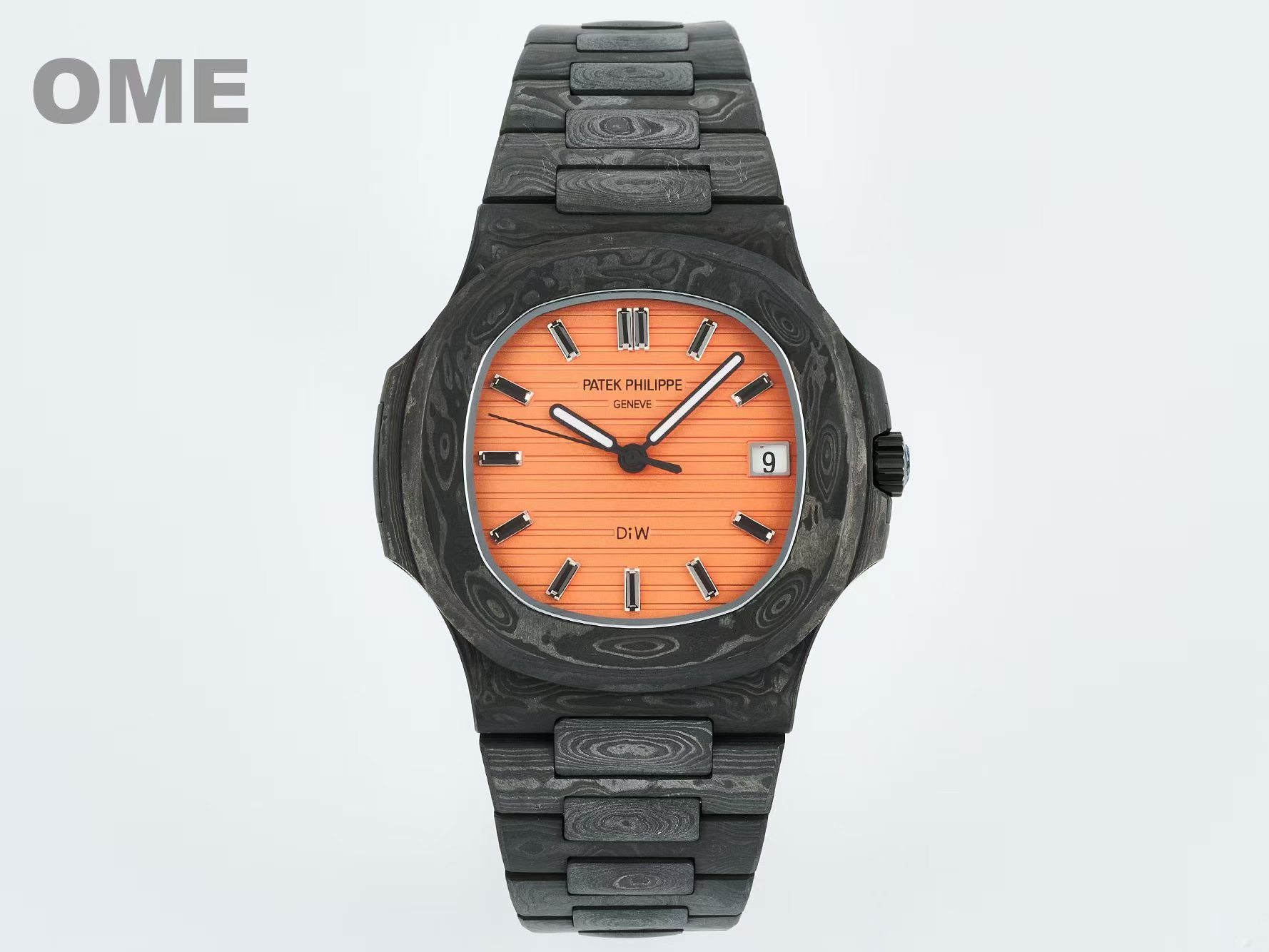
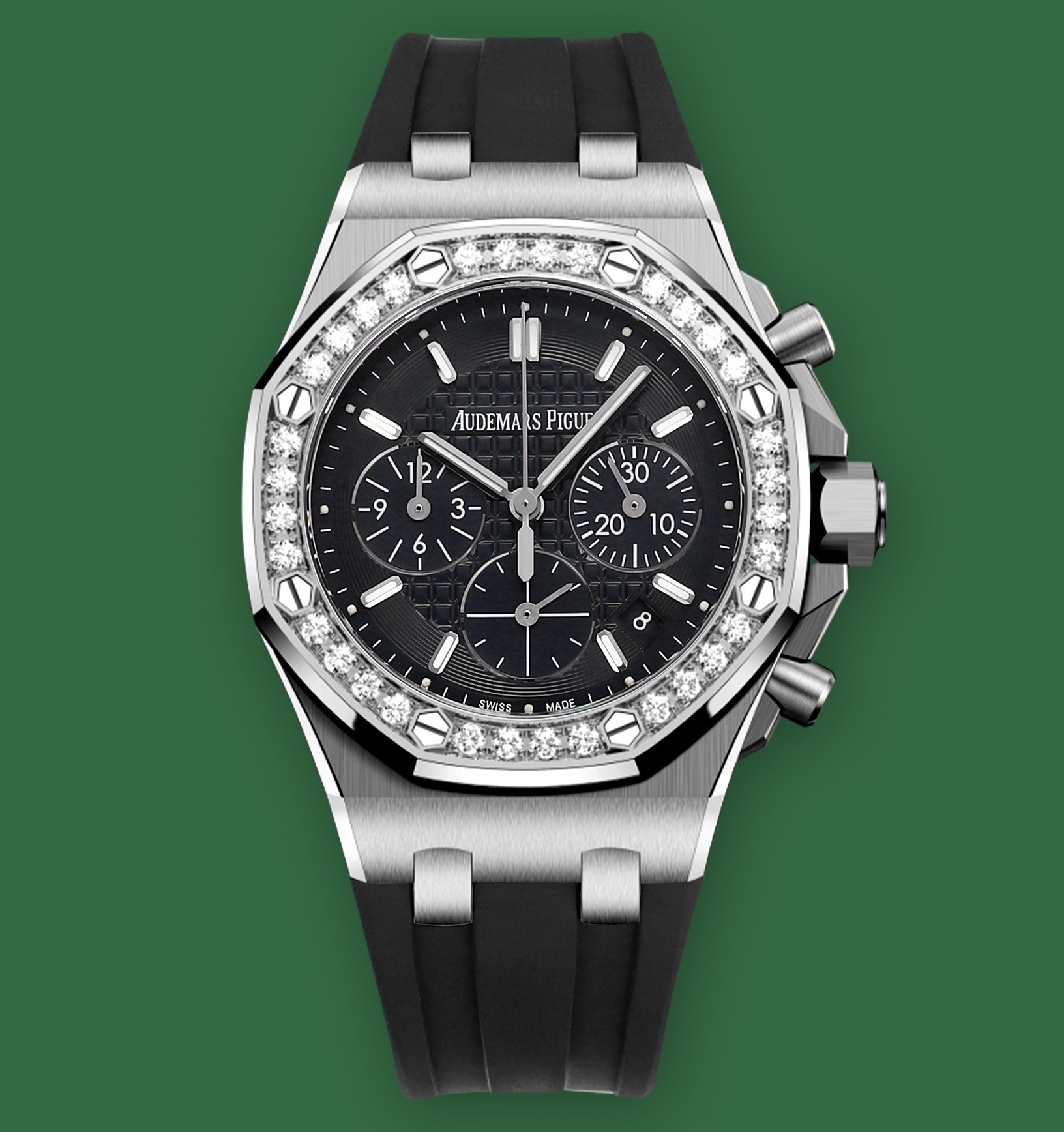
BV factory listings lean on a small set of phrases: 1:1, Swiss movement, AAA quality, real 904L steel, and QC photos of the exact watch. Each sounds specific, and none of it is verified by an outside party. Marketplace systems do not inspect the goods behind these descriptions, so every claim is a seller statement and should be read that way. Here is what each common phrase means — and what it cannot tell you.
What does "1:1" actually claim?
In a listing, 1:1 suggests the watch matches the genuine model dimension for dimension and part for part. There is no independent body that measures this, no published tolerance, and no test a buyer can run to confirm it. It is shorthand for "closely similar," and it appears because it sounds precise. A listing that leads with 1:1 is telling you its main argument is resemblance, not verifiable specification.
What does "Swiss movement" mean in a listing?
Genuine Swiss movements exist in large numbers — ETA and Sellita movements power many entry-level and mid-tier Swiss watches, and brands including Rolex and Omega build their own. Whether the watch in a specific listing contains one is a different question, and it can only be answered with the case back off. Many unauthorized copies use Asian-built clones or decorated movements that resemble the original, so the label is a claim to check, not a fact to assume. Our automatic vs quartz movements guide explains what movement markings look like on legitimate watches.
What does "904L steel" mean?
Rolex uses a 904L-family stainless alloy it markets as Oystersteel, and the term 904L has become a fixture of replica listings as a result. Whether a copy's case and bracelet use the same alloy is not something a listing photograph shows, and there is no third-party verification behind the claim. It is an echo of a genuine specification, repeated to borrow the specification's authority. For how case materials actually differ across watches, see our case materials comparison.
What do QC photos prove?
Some sellers send pre-shipment photographs, sometimes called QC photos, so a buyer can approve the watch before it ships. The photos prove that a watch was photographed. Whether the photographed watch is the one that ships, and whether its internals match the listing's claims, remains a matter of trust in the seller. Photos cannot show a movement's origin, the alloy of the case, or the accuracy of the movement inside it.
What about urgency claims?
"Last batch," "closing the store," "only two left," and countdown-style pricing are pressure devices. Inventory counts and closing dates in these listings are seller-controlled statements with nothing behind them, and their purpose is to shorten the buyer's decision time. A genuine constraint would not need to announce itself this way.
Why platforms don't verify these claims
Marketplaces host enormous numbers of listings and generally review them against policy rather than physically inspecting goods. Listing language is self-declared, and enforcement tends to follow complaints — trademark holders and user reports — rather than proactive inspection. Some marketplaces do operate authentication programs for watches sold through designated channels; a listing outside such a program has simply not been through one. That is why the same stock phrases appear across sellers: they are optimized for the listing page, not for the watch.
Reading the listing as a whole
Individually, each phrase is survivable; together they form a pattern. The listing that promises a Swiss movement usually avoids photographs of the movement, and the one that stresses 904L steel rarely shows the case back markings. A listing built entirely from these phrases is marketing rather than documentation — and the correct response is to ask for the documentation anyway.
What to ask for instead
When a listing's claims matter to a decision, the useful questions are concrete ones:
- Exact measurements — diameter, thickness, lug width — that you can compare against the genuine model's published specifications.
- Photographs of the movement with the case back removed, showing markings.
- The reference and serial as engraved on the watch, plus any papers, photographed close enough to read.
- The seller's written policy if the package is seized or lost in customs.
None of these settles everything, but each one replaces an adjective with something checkable. Browse our watch guides for model-by-model details, and start from the replica grading claims explainer if the letter-grade language is new to you. The BV factory page also covers where the nickname comes from and what it does in a listing.
Frequently asked questions
Is "1:1" a measurable standard?
No independent standard defines or measures 1:1. The phrase is seller shorthand for "closely similar," and there is no test a buyer can apply to confirm it.
Do QC photos guarantee the watch that arrives matches them?
They guarantee that a photo exists. Whether the photographed watch is the one shipped depends on the seller's honesty, and the photos cannot show internal parts.
Can "Swiss movement" be checked without opening the case?
Not reliably. The claim refers to what is inside the case, so confirmation requires the case back off and knowledge of movement markings.
Why do listings claim 904L steel so often?
Because Rolex's Oystersteel, a 904L-family alloy, is well known and sounds like an objective spec. On an unverified listing it is a marketing echo of that spec, not a certificate.
Este conteúdo é para educação geral sobre relógios. Ele não verifica nenhum produto específico nem garante autenticidade, e não tem vínculo com marcas ou fábricas de terceiros.