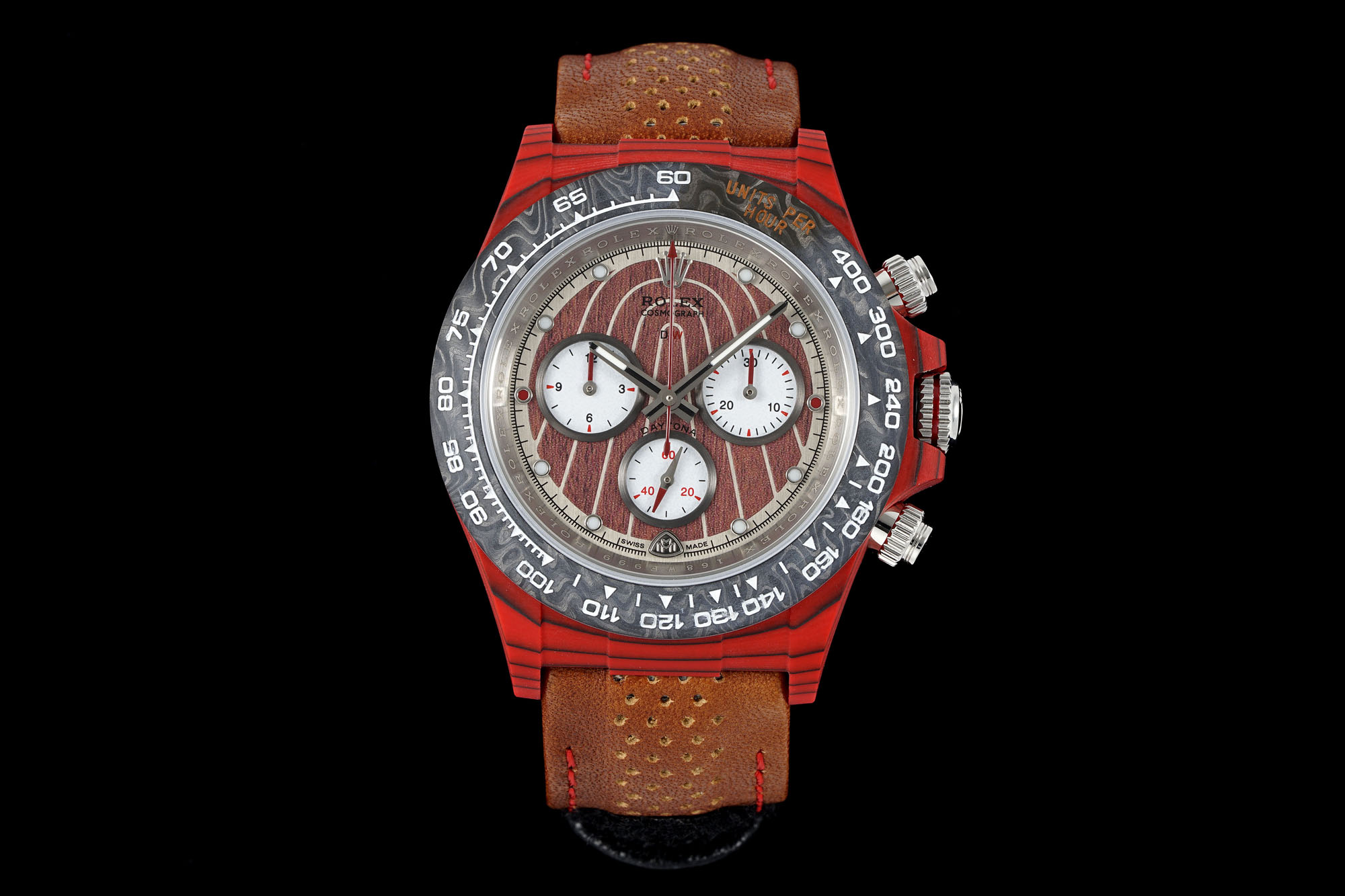
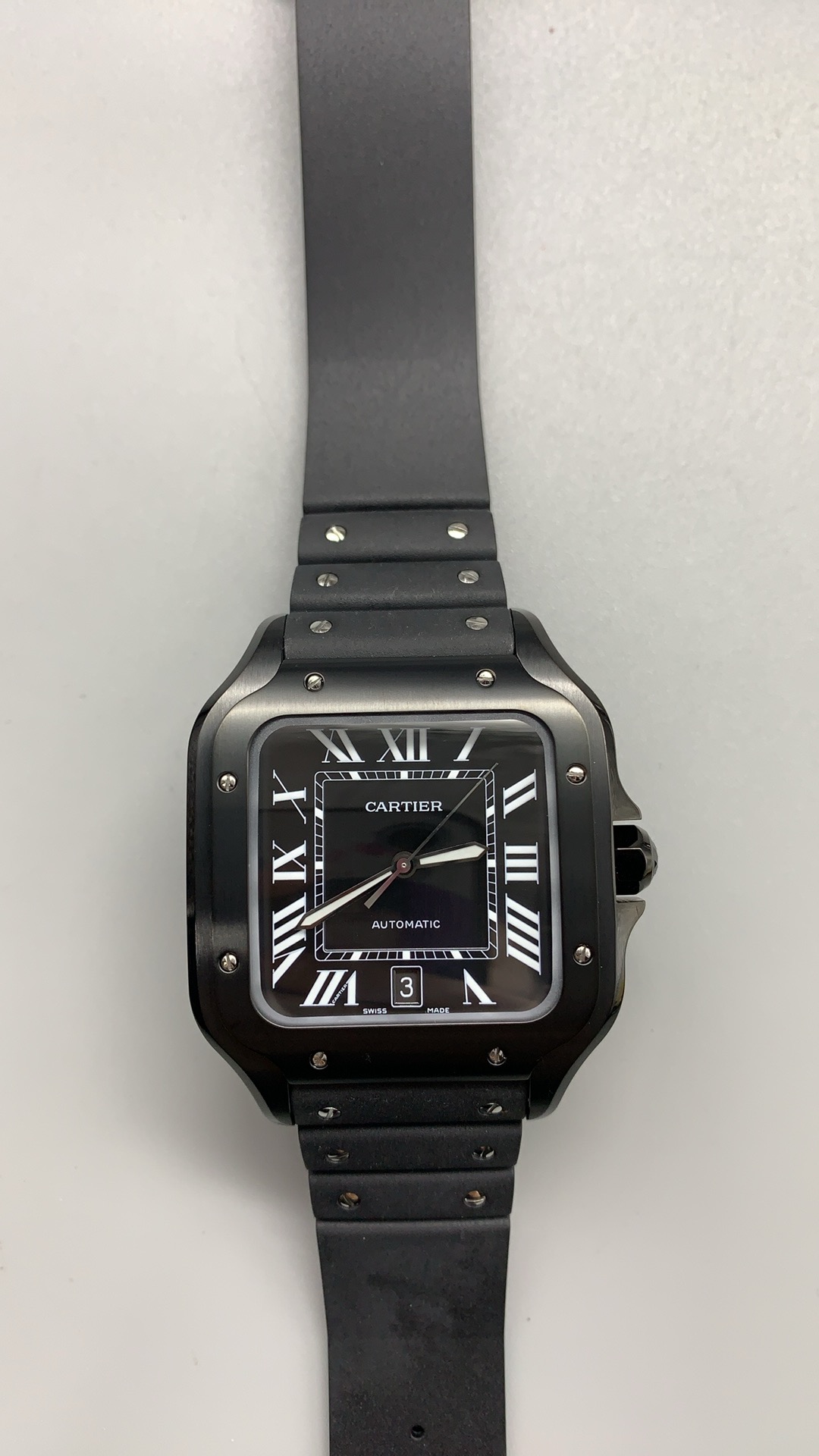
"AAA-grade" is a seller-invented quality tier with no certifying body, no published standard, and no consistent meaning from one seller to the next. It emerged from street-market and early-internet replica sales as a way to make one unauthorized copy look better than the next, and it still functions that way: a price-tier label dressed as a quality promise. Nothing about the grade is verified by anyone other than the person selling the watch.
The grade ladder, as sellers present it
Grades exist relative to each other, which is their entire function. The table reflects how these labels are commonly presented in listings and forums; none of the rows describes a standard any buyer can enforce.
| Label | How sellers present it | What a buyer can actually verify |
|---|---|---|
| A / AA | Entry-level copy, lowest price | Nothing beyond price and photos |
| AAA | Mid-tier "quality" copy, better materials claimed | Still nothing independent; the claim itself |
| AAAA / AAAA+ / "Swiss grade" | Higher still, plus signs and Swiss wording added | The same unverifiable claims with more adjectives |
| "1:1" / "super clone" | Claimed identical to the genuine article | A completeness claim, not a measurement |
The ladder's real message is pricing, not quality: each rung justifies a higher number. Because no shared definition exists, a watch one seller calls AAA can be identical to what another calls AAAA+, and buyers have no reference point to compare against.
No certifying body exists
Real watch-world certifications are issued by named organizations with published test criteria. COSC certifies movement accuracy for chronometers, and METAS, working with Omega, certifies the more demanding Master Chronometer standard. A genuine watch's papers reference those bodies. An AAA grade references nothing: no institute, no test, no serialized certificate. When a seller writes "AAA," they are not reporting a result; they are assigning a label. The contrast is instructive because it shows what a real quality claim looks like — a named issuer, a defined test, a traceable result — and what the replica ladder has always lacked.
What "AAA" usually describes in practice
In forum usage, AAA has drifted downward over the years. Where early listings used it as their top tier, today's sellers reserve premium language for factory names and "super clone" claims, leaving AAA as the label for ordinary entry-level fakes — often quartz-driven, with generic finishing and a price to match. This is a pattern of usage, not a rule: the grade has never been pinned to specifications, which is exactly why it can drift. The factory terminology explainer covers how the newer vocabulary displaced the old grades.
Why grades move between sellers
Three forces keep the ladder unstable. Sellers inflate grades to justify price differences between identical stock. Buyers cannot audit the claims, so there is no market pressure toward accuracy. And the vocabulary itself chases novelty, the same reason "AAAAA" and "Swiss grade" rose and faded. A grade is not a property of the watch; it is a claim about the watch made by the person selling it. That is the structural fact underneath every tier chart: the ladder has no ground floor because nothing anchors it.
Why the label survives despite meaning nothing
The label survives because it costs nothing and appeals to a buyer's instinct that grading implies inspection. A watch described as "AAA" sounds examined — as if someone counted the flaws and found few. In reality, the only inspection that ever occurs is the one a buyer pays a qualified watchmaker for after delivery. Until then, the grade exists entirely in the listing, which is why it can be whatever the seller needs it to be. The grading claims guide walks through the full ladder, and the identification guide explains what physical inspection actually reveals.
How to treat any grade label
- Read it as a price tier, never as a specification.
- Assume the watch below the label is the same category of goods as every other replica: an unauthorized copy.
- Remember that even the top of the ladder — "1:1" — remains a claim, not a certification.
- Compare against what a genuine Rolex actually carries: serialized papers, a known reference, and a service network that will confirm it.
For how genuine watches are documented and described by their makers, start with the watch guides.
Frequently asked questions
Is AAA the highest replica grade?
There is no official ranking, so no grade is objectively "highest." In current forum usage, AAA usually marks mid-to-low tiers, below claims like "1:1" or factory-named listings.
Who issues AAA grades?
Nobody. The grade is invented by sellers. It has no certifying body, no test criteria, and no certificate.
Does AAA mean the watch has a sapphire crystal and automatic movement?
Not necessarily. The grade is not tied to any specification, and one seller's AAA can differ from another's in parts, movement, and finish.
Are higher grades more accurate copies?
There is no verifiable relationship between a grade label and accuracy. Sellers price by label, and the ladder exists to justify price differences.
Este conteúdo é para educação geral sobre relógios. Ele não verifica nenhum produto específico nem garante autenticidade, e não tem vínculo com marcas ou fábricas de terceiros.