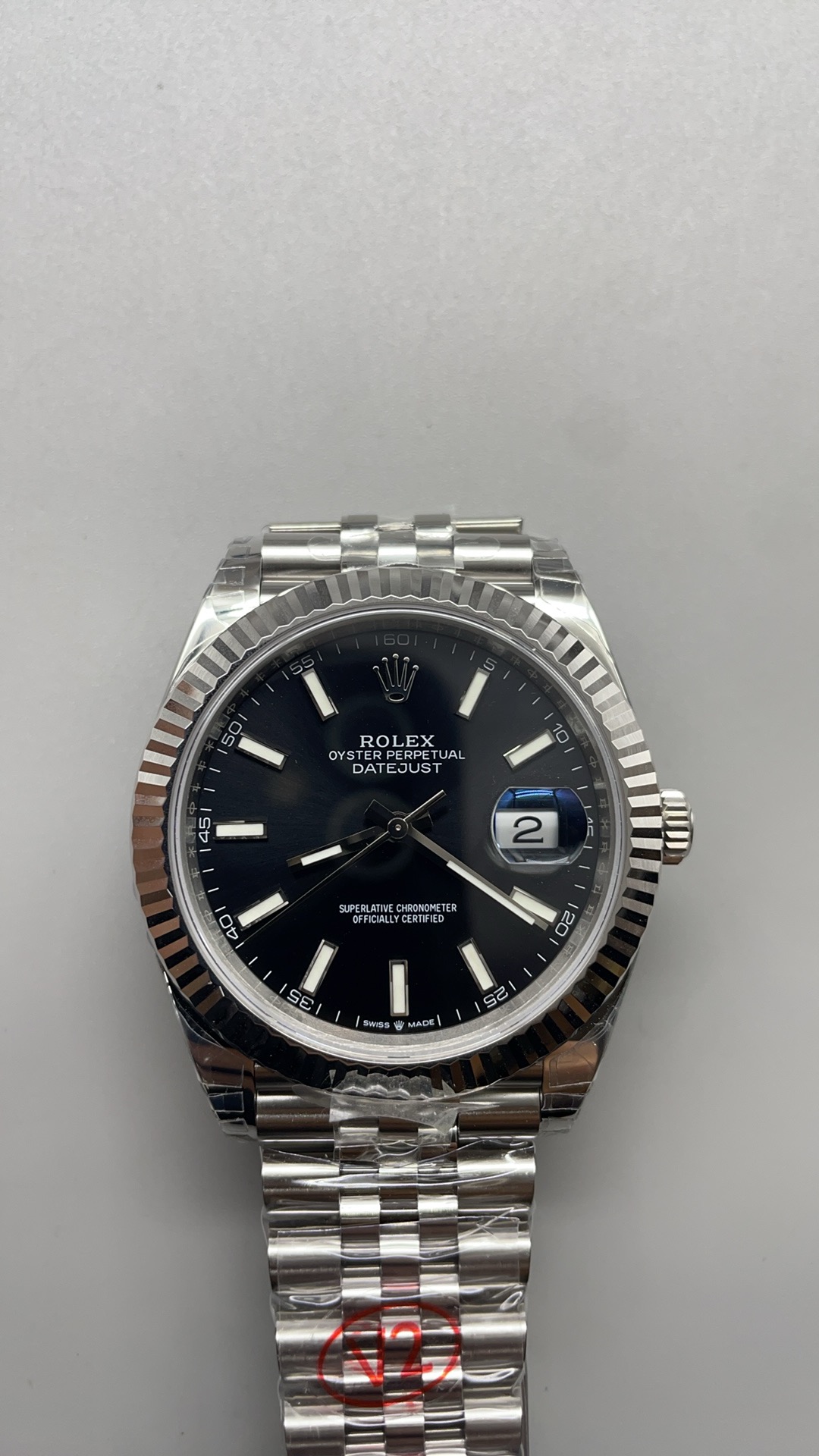
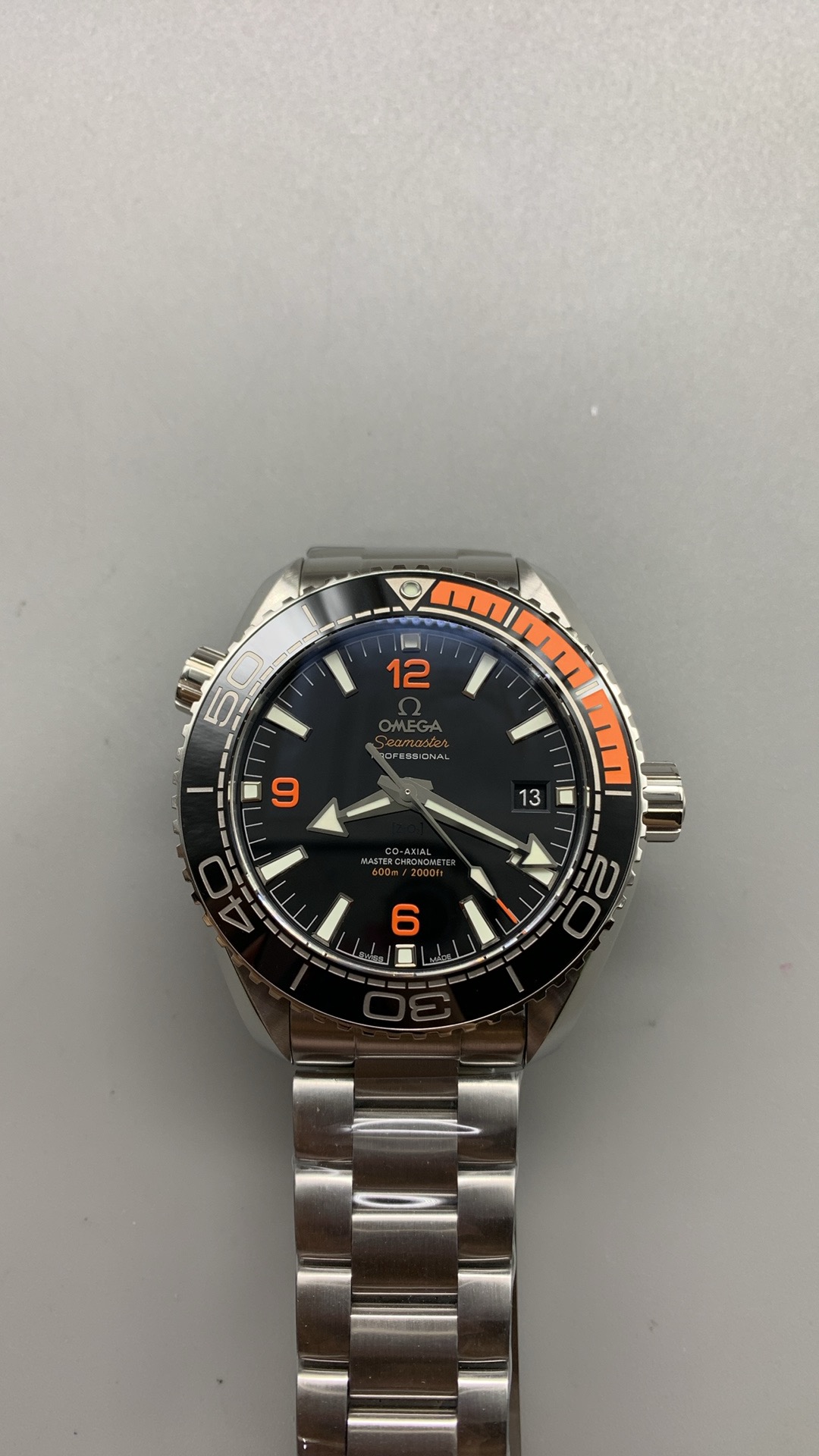
Two instruments do most of the work when a watchmaker tests timekeeping and power-reserve claims on a NOOB-labeled watch: a timegrapher, and the watch itself on a timed run. The timegrapher reports rate, amplitude, and beat error; a full wind followed by a run to zero measures the real power reserve. Both results are compared with the numbers in the listing, and the comparison is where the claims come apart — a seller's typed specification is not a measurement. NOOB factory is forum shorthand with no official records, so its 'specs' exist only in listings.
Instruments and the claims they test
| Instrument | What it measures | Claim it checks |
|---|---|---|
| Timegrapher | Rate in seconds per day, amplitude in degrees, beat error, beat rate | Accuracy claims such as 'COSC level' or '-2/+2 seconds per day' |
| Watch winder | Controlled, repeatable full winding | Whether a 'full wind' was really full before a reserve test |
| Bench timing run | Elapsed hours from full wind to stop | Claimed power reserve — 48 hours for calibre 3135, about 70 for calibre 3235 |
| Multi-position check | Rate changes across dial positions | Whether accuracy holds up in real wear or only face-up |
Reading the timegrapher
The numbers a watchmaker wants to see are specific. COSC certification for a genuine movement means an average daily rate of -4 to +6 seconds; Rolex's own Superlative Chronometer standard tightens that to -2/+2 after the movement is cased. A reading of +40 seconds a day is not a quality debate — it is a movement that needs service or was never adjusted. Amplitude tells the next part of the story: roughly 270 to 310 degrees dial-up at full wind is healthy, and a figure far below that suggests dirt, wear, or a tired mainspring. Beat error should sit close to zero; a fraction of a millisecond is normal, and a large beat error shows the escapement was not set up carefully.
The lift angle setting matters before any of this is read. Amplitude is computed from the lift angle entered on the instrument, so a watchmaker sets the value appropriate to the movement — 52 degrees for a 31xx-style caliber — before recording numbers. A wrong setting produces amplitude figures that are either flattered or deflated, which is why a careful reading always names its settings.
Measuring power reserve honestly
The procedure is deliberately boring. Wind the crown until the mainspring is full — the feel of resistance is the signal, not a magic number of turns — then note the time and leave the watch running on the bench or on the timegrapher until it stops. The elapsed time is the real reserve. A watch billed as a calibre 3235-style clone with '70 hours power reserve' that stops at 38 has failed its own listing, and no amount of seller explanation changes the measurement. Many clone movements deliver less than the reserve of the movement they imitate; the timed run is the only way to know what a specific watch actually holds.
Sellers inflate reserve for an obvious reason: it is the one specification a buyer cannot check in a store, so it drifts upward in listings. The fix is not trust but procedure — a full wind and a stopwatch, repeated once if the result surprises, settles the question permanently. Routine habits that keep a mainspring healthy are covered in our mechanical care checklist.
Where the claims stop
COSC and METAS are certifications issued to genuine movements, not adjectives sellers may reuse. A NOOB-labeled watch cannot 'be COSC' any more than a photocopy can be the original; the label is forum terminology, and the grades attached to it in listings are marketing. The same rule appears throughout our guide to grading claims, and the forum history behind the label itself is covered in the NOOB factory explainer. What the watchmaker's bench provides is the honest version of the listing: measured rate, measured amplitude, and a measured reserve, against which every claim stands or falls. None of this requires exotic equipment — a bench timegrapher costs less than the cheapest serious watch and reads the same physics the expensive machines read. The constraint is not the tools; it is the honesty of the numbers being compared, and on a NOOB-labeled watch the measurements are usually the only honest numbers in the room.
Frequently asked questions
How is power reserve actually tested?
Fully wind the watch, note the time, and let it run undisturbed until it stops. The elapsed hours are the real reserve; the listing's number is only a claim until the watch confirms it.
What amplitude reading is healthy?
Roughly 270 to 310 degrees dial-up at full wind. A reading far below that points to dirt, wear, or a weak mainspring, whatever the watch's marketing says.
What does '-2/+2 seconds per day' mean?
It is Rolex's Superlative Chronometer standard for a cased watch: no more than two seconds fast or slow per day. COSC, by comparison, certifies the movement alone at -4/+6.
Can a clone movement pass a timegrapher test?
A clone can show good numbers on a timegrapher; the instrument reports performance, not origin. Certification labels like COSC still apply only to genuine movements.
본 콘텐츠는 일반적인 시계 교육용입니다. 개별 제품을 검증하거나 정품임을 보증하지 않으며, 제3자 브랜드나 공장과 무관합니다.