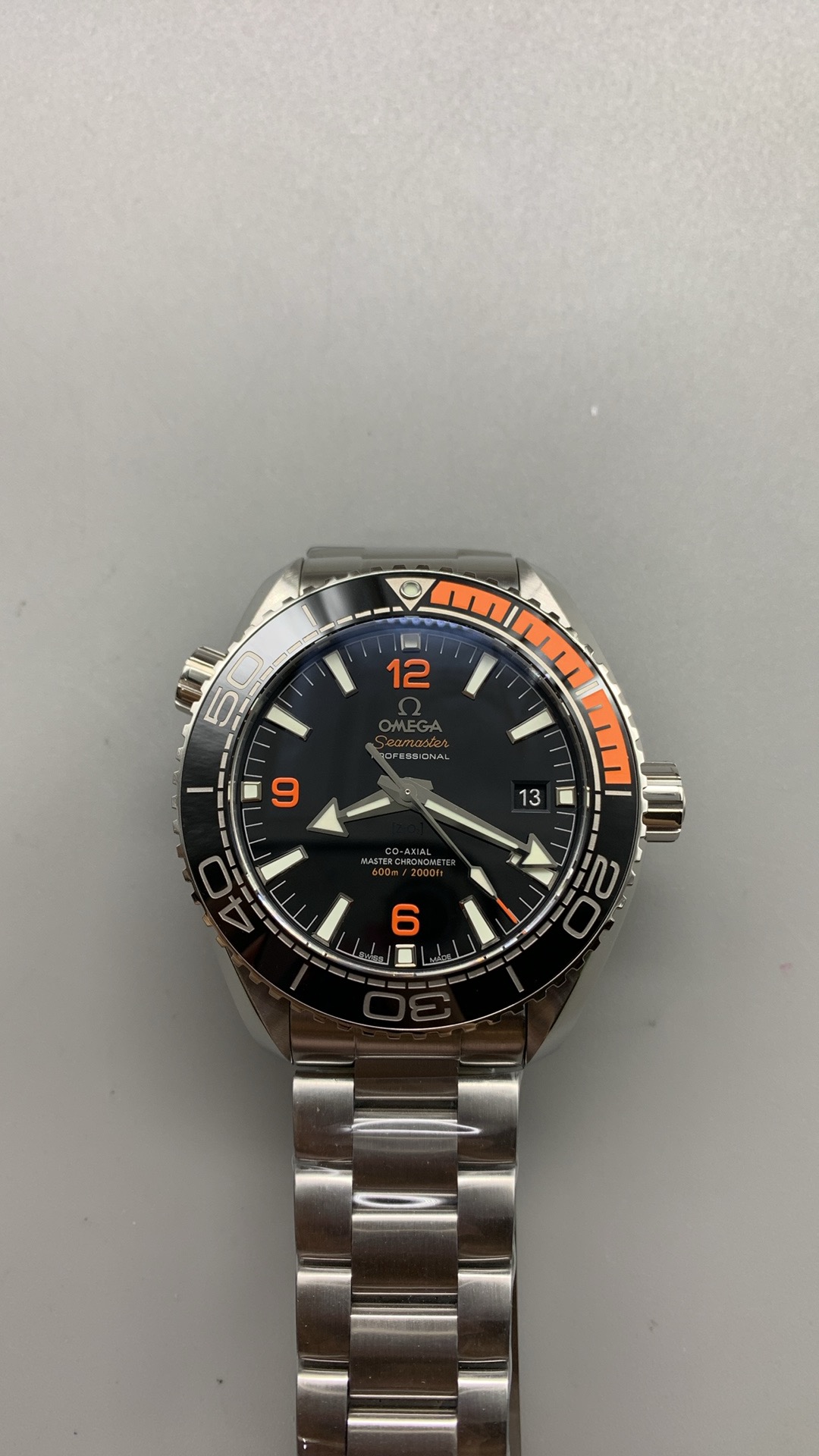
No. Accuracy and power-reserve figures in AAA-grade replica watches listings are written claims, not test results, and they are routinely copied from the spec sheet of the genuine model. The performance of a mechanical watch depends on the individual movement, its adjustment and how it is worn, so a number like -4/+6 seconds or 70-hour reserve can only be trusted if someone actually measured that specific watch, something sellers of unauthorized copies have no standing to certify.
What the numbers would mean if they were real
Accuracy for a mechanical watch is expressed in seconds gained or lost per day, and it varies by position, temperature and state of wind. Watches gain or lose differently in different positions because gravity acts on the balance differently; a watch that is accurate dial-up can be off while worn, which is why certification tests several positions. Chronometer certification, such as COSC, is a genuine standard: movements meeting it run within -4 to +6 seconds per day across the tested positions. Power reserve is simpler to define: how long a fully wound watch keeps running when left still. Both numbers are only meaningful when tied to a tested unit, which is why certification attaches to specific movements, not to product descriptions. Our page on automatic versus quartz movements covers how mechanical accuracy works in practice.
The five-point checklist
- Is a standard named? A claim that cites COSC or METAS refers to certifications applied to genuine movements by testing laboratories; on an unauthorized copy, the citation is decoration unless someone tests the watch in front of you, and even then the test would describe that watch, not the model line.
- Is the figure specific to this watch or pasted from the genuine model? If the listing repeats the genuine watch's published accuracy and reserve verbatim, it is describing the model being imitated, not the object for sale.
- Is the power-reserve claim plausible? Most aftermarket automatics deliver roughly 38 to 42 hours because that is the standard mainspring architecture they share. A claim of 70-plus hours requires a longer, thinner mainspring and a barrel designed for it, which most inexpensive movements are not built with. A copied spec sheet does not build a bigger barrel.
- Is there any measurement at all? A timegrapher screenshot shows one watch in one position at one moment, and screenshots are easy to reuse or stage.
- Who adjusts or services it if it runs badly? Unauthorized watches have no manufacturer service network, so a performance claim carries no repair commitment behind it.
A note on the numbers themselves: mechanical watches are regulated, not set. Regulation means adjusting the balance system so the watch gains or loses within an intended range, and it is routine work a watchmaker performs with a timegrapher. A watch that runs ten minutes fast is not broken; it is unregulated. The adjustment is part of what you are paying for in a finished watch, and it is precisely the part a listing cannot show you.
How to measure it yourself
If the watch is already in your hands, the claims stop mattering and the watch's behavior takes over. Track it against an atomic time source over several days, noting the daily gain or loss. Wear it in rotation: dial up overnight, crown down, worn during the day, since positions shift the rate. Wind it fully, leave it, and time how long it runs to check the reserve claim. Timegrapher apps and clip-on tools give a professional-style reading, and a watchmaker can do all of this in minutes. Whatever the results, they describe your watch, which is more than the listing ever did. Keep the comparison fair by measuring at similar states of wind each day: a nearly unwound mainspring delivers less torque and shifts the rate, so morning-after readings mean more than random spot checks.
Why the claims matter less than they seem
Even an accurate and honest performance number does not convert into a warranty, spare parts or a service path, and none of those exist for unauthorized watches through the brands. Long-term care falls entirely to the owner, which is why our mechanical watch care checklist matters more than any listing promise. Treat published accuracy and reserve figures as marketing until you hold the watch, then let a timegrapher replace the seller's copy. None of this makes measurement pointless; it makes it yours. The listing numbers are somebody's marketing; the timegrapher numbers are your watch. For the questions buyers ask most about these numbers, see the FAQ.
Frequently asked questions
What accuracy should a mechanical watch manage?
A well-adjusted automatic commonly runs within several seconds per day. COSC-certified movements are tested to -4/+6 seconds per day.
What exactly is power reserve?
The time a fully wound watch continues running while stationary, typically between 38 and 42 hours for common automatics and longer on modern luxury calibres.
Do replicas actually achieve their claimed reserves?
Claims are unverifiable at the listing stage. Many aftermarket automatics hold around 40 hours regardless of what the description says.
Can I test a watch I already bought?
Yes. Timegrapher apps and tools, or a few minutes with a watchmaker, will measure rate and reserve on your specific watch.
본 콘텐츠는 일반적인 시계 교육용입니다. 개별 제품을 검증하거나 정품임을 보증하지 않으며, 제3자 브랜드나 공장과 무관합니다.