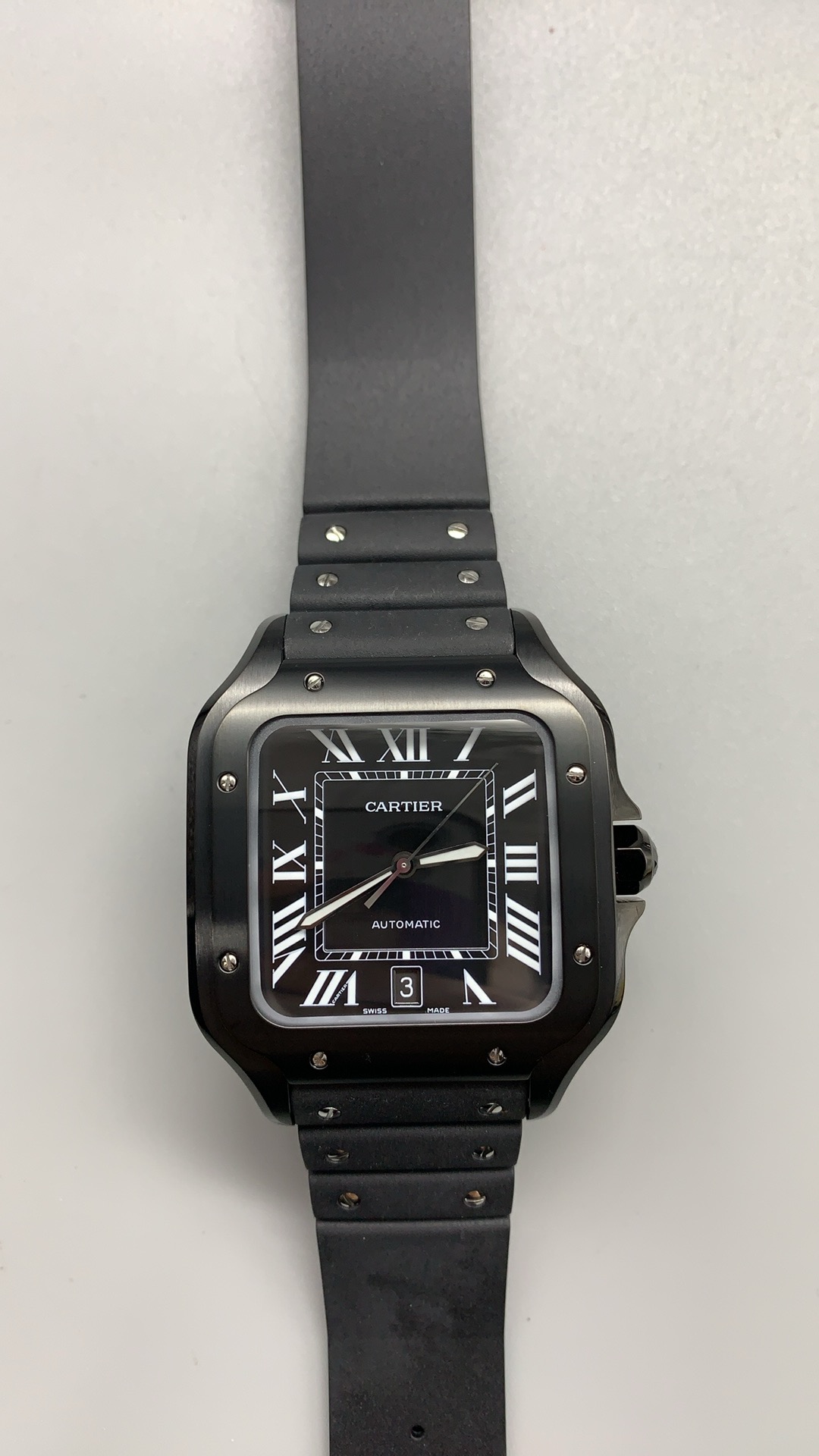
Reporting a suspected counterfeit listing takes a few minutes and needs no purchase. The report works best when it is specific: what the item claims to be, why you believe it is counterfeit, and where it is listed. You do not need to message the seller, and you should not — no conversation is required, and none helps. Here is the process, step by step.
The examples below cover VS factory listings, but the same steps work for any watch you believe is an unauthorized copy.
What to record first
Before reporting, save the evidence while it exists, since listings disappear quickly once reported or removed.
- The listing URL and title.
- The seller's name and any other listings they have posted.
- The asking price and the claimed brand and model.
- Screenshots of the listing text, the photos, and any off-platform chat if there has been one.
A short note of your reasoning also helps later: which marks look wrong, which claims are impossible, or why the price is far below retail. The note is for your own reference, and it also keeps the report accurate if you end up submitting more than one. Evidence gathered this way is what platforms actually review — a report without specifics is easy to dismiss, and a report with them is harder to ignore.
Where each major platform's report flow lives
Every major marketplace has a dedicated flow, and they all ask roughly the same questions.
- eBay: the "Report this item" link on every listing page leads to a reason menu that includes counterfeit and trademark concerns.
- Amazon: sellers are reported through the product page's report links, and brand-rights reports go through Amazon's Report a Violation tool.
- Chrono24: each listing page carries a report function, and the platform also publishes authenticity rules its sellers must follow.
- Facebook Marketplace and Instagram: both have report options on listings and posts, with "counterfeit item" among the standard reasons.
Platforms decide what happens next — removal, a warning, or nothing visible to you. A report is the start of a review, not a verdict, and you will usually not hear the outcome. That is normal and not a sign the report failed. What the report does reliably is put the listing in front of the people who enforce the rules, and it teaches the platform's review systems what this seller's listings look like.
The step-by-step checklist
- Confirm the red flags. Run the listing against our counterfeit identification guide: price, wording, photo quality, claimed factory names. A claim like "VS factory 1:1" is itself a flag, as our factory terminology explainer shows.
- Capture everything: screenshots, URL, seller name, price, date.
- Use the platform's own report tool first. Third-party "watchdog" sites rarely have any power over the listing.
- Write the report in concrete terms: name the brand the listing imitates, state that the item appears to be an unauthorized copy, and point to the specific wording or marks that raised the concern.
- Do not engage the seller, do not attempt a "sting" purchase, and do not post the seller's details publicly. Engagement tips off the seller; public exposure creates risks of its own.
- If you are considering a purchase yourself, verify before paying. Compare against a trusted dealer or our catalog's documented models rather than the listing's claims.
Reporting beyond the marketplace
Two other channels exist for imports and organized sellers. U.S. Customs and Border Protection seizes counterfeit goods at the border, and reporting a shipment you know is inbound is possible through CBP's channels. Brands also run anti-counterfeiting programs and accept tips; a brand's official site lists its contact for brand protection. Neither channel gives you a status update, but both feed the enforcement pipeline that this market depends on. The same goes for payment platforms: if you were defrauded, the payment processor's dispute process is the channel for money, and it is separate from the reporting channels for the listing.
One caution about expectations. Reporting does not guarantee removal, and removal does not guarantee the seller stops. Counterfeit sellers rebrand and relist constantly, which is why reports matter in volume: each one adds to the platform's picture of the seller and makes the next takedown faster. Our FAQ answers the questions buyers raise most often after reporting a listing.
Frequently asked questions
Do I need to buy the watch to prove it is counterfeit?
No. Never buy an item to prove a point about it. Reports run on the listing's own wording, photos, and price — the parts you can see without spending anything.
Will the platform tell me what happened after my report?
Usually not in detail. Most platforms review reports internally and remove the listing if they agree, without updating the person who reported it.
Can I report a seller who moved me to a chat app?
Yes. Save the conversation, and include it with your report on the platform where the listing appeared. Moving off-platform is itself something platforms treat as suspicious.
What about reporting a shipment to customs?
U.S. Customs and Border Protection accepts reports about inbound counterfeit shipments. Tracking numbers, listing screenshots, and payment records are the details that help.
본 콘텐츠는 일반적인 시계 교육용입니다. 개별 제품을 검증하거나 정품임을 보증하지 않으며, 제3자 브랜드나 공장과 무관합니다.