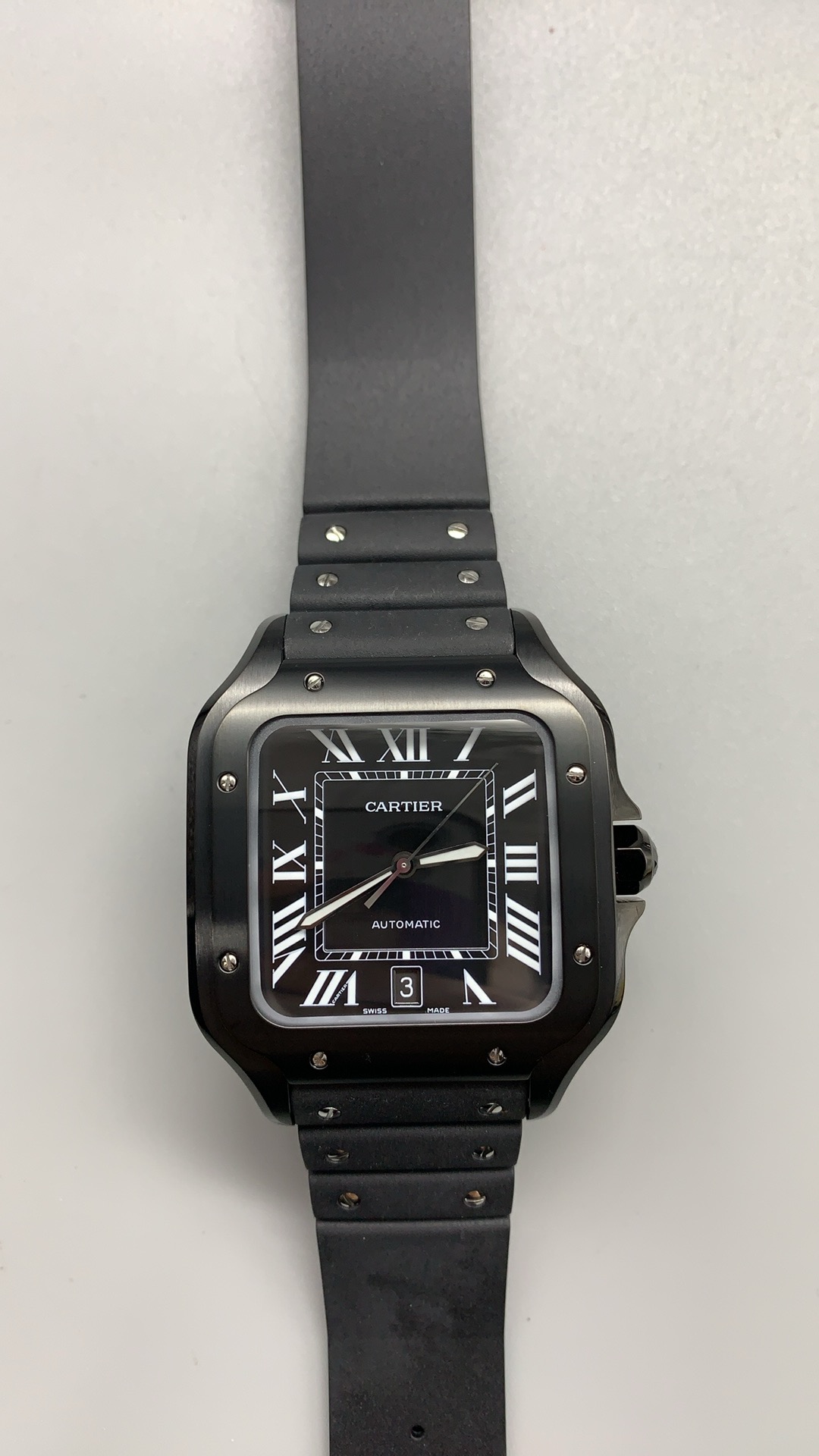
Disclosing that a NOOB-labeled watch is a replica does not make selling it safe. The sale of a counterfeit good is a trademark problem on its own, platforms ban replica listings whether or not the seller is honest about what the item is, and adding a false genuine description stacks fraud liability on top. Here is how the risks land in each common resale situation.
The legal baseline
Three separate rules converge on the same point. First, an unauthorized reproduction of protected marks is a counterfeit good, and selling counterfeit goods is trademark infringement regardless of what the listing says. Second, misrepresentation - selling a counterfeit while describing it as genuine - is a separate legal wrong: it is fraud in most jurisdictions, and it changes buyer remedies from a refund question into something sharper. Third, marketplace rules are stricter than the law in their own way: every major platform prohibits counterfeit goods outright, disclosed or not, and enforcement is often automated. The forum label attached to the watch is irrelevant to all three. Where the law sits in a specific case depends on jurisdiction and facts, and nothing here is legal advice.
Scenario by scenario
Selling a known replica as genuine
This is the worst position, because it combines every risk at once. The sale is trademark infringement and, where the buyer relied on the description, fraud. Practically, it ends in a dispute the seller loses: the platform refunds the buyer from the seller's funds, the seller's account takes a strike or a ban, and payment processors that spot the pattern close the account. If the buyer or the brand escalates, the seller faces civil liability and, at volume, criminal exposure. The sale price is never worth this.
Reselling a watch you were told was genuine
This is the trap most people actually fall into, and it is the reason the resale disclosure question matters to ordinary owners. If you bought a watch believing it was genuine, resold it, and it later turns out counterfeit, you are the seller of record in the dispute: the refund comes from your funds, your selling account absorbs the penalty, and your lack of knowledge matters to intent but not to the buyer's remedy. The lesson runs the other way, too - learning to identify counterfeit watches before you sell is cheaper than learning from a dispute.
Selling with full disclosure as a replica
Honesty removes the fraud layer but not the others. The sale is still trademark infringement, and platforms still prohibit the listing: disclosed replicas are removed exactly like undisclosed ones, and the seller still faces payment-account risk. Disclosure changes the ethics; it does not legalize the sale.
Gifting or giving away
A gift is lower-risk than a sale because no transaction profit exists, but it hands the problem to someone else: a recipient who believes the watch is genuine may later resell it and walk into the seller-of-record trap above, and a recipient who is told a genuine story has been misled by you. Gifts of these watches are common, and so are the disputes that follow them.
Keeping it
Personal possession is the least-exposed position. Enforcement in most markets concentrates on selling and importing rather than on owning, though rules vary by country, and possession of a counterfeit is not a protected status anywhere. If the watch is not being sold, shipped or passed off, it sits at the quiet end of the risk spectrum.
What platforms do with replica listings
Marketplace enforcement is mostly automated: keyword filters, image matching and buyer reports flag listings, and review teams remove them under IP policy. The seller keeps neither the listing nor, in many cases, the funds held for it. Serial violations close the account and, where the platform reports to payment networks, can follow the seller to other venues. The grading claims guide shows how the listing language sellers use practically invites this review.
If you are the buyer in a misrepresented sale
The buyer's path is concrete: open a dispute on the platform with the evidence you kept - listing screenshots, messages, photos of what arrived - and use a payment-card chargeback as the fallback. Neither step requires the seller's cooperation, and both work better the sooner they start. The FAQ covers the mechanics of disputes and returns in more detail.
Frequently asked questions
Is selling a replica legal if I clearly disclose what it is?
Disclosure removes the fraud layer but not the rest: selling counterfeit goods is still trademark infringement, and platforms still ban the listing regardless of how honestly it is described.
What if I did not know the watch was counterfeit when I sold it?
Lack of knowledge may matter to fraud intent, but not to the buyer's remedy: as the seller of record you fund the refund, and your account absorbs the penalty either way.
Do legitimate dealers ever handle these watches?
Legitimate dealers avoid counterfeits entirely because the liability, the platform penalties and the payment-account risk land on the seller, not on the buyer who walked in.
What is the least-risky way to part with one?
There is no clean resale path. Keeping it, or disposing of it without listing it anywhere, avoids the seller-of-record trap that every resale route carries.
본 콘텐츠는 일반적인 시계 교육용입니다. 개별 제품을 검증하거나 정품임을 보증하지 않으며, 제3자 브랜드나 공장과 무관합니다.