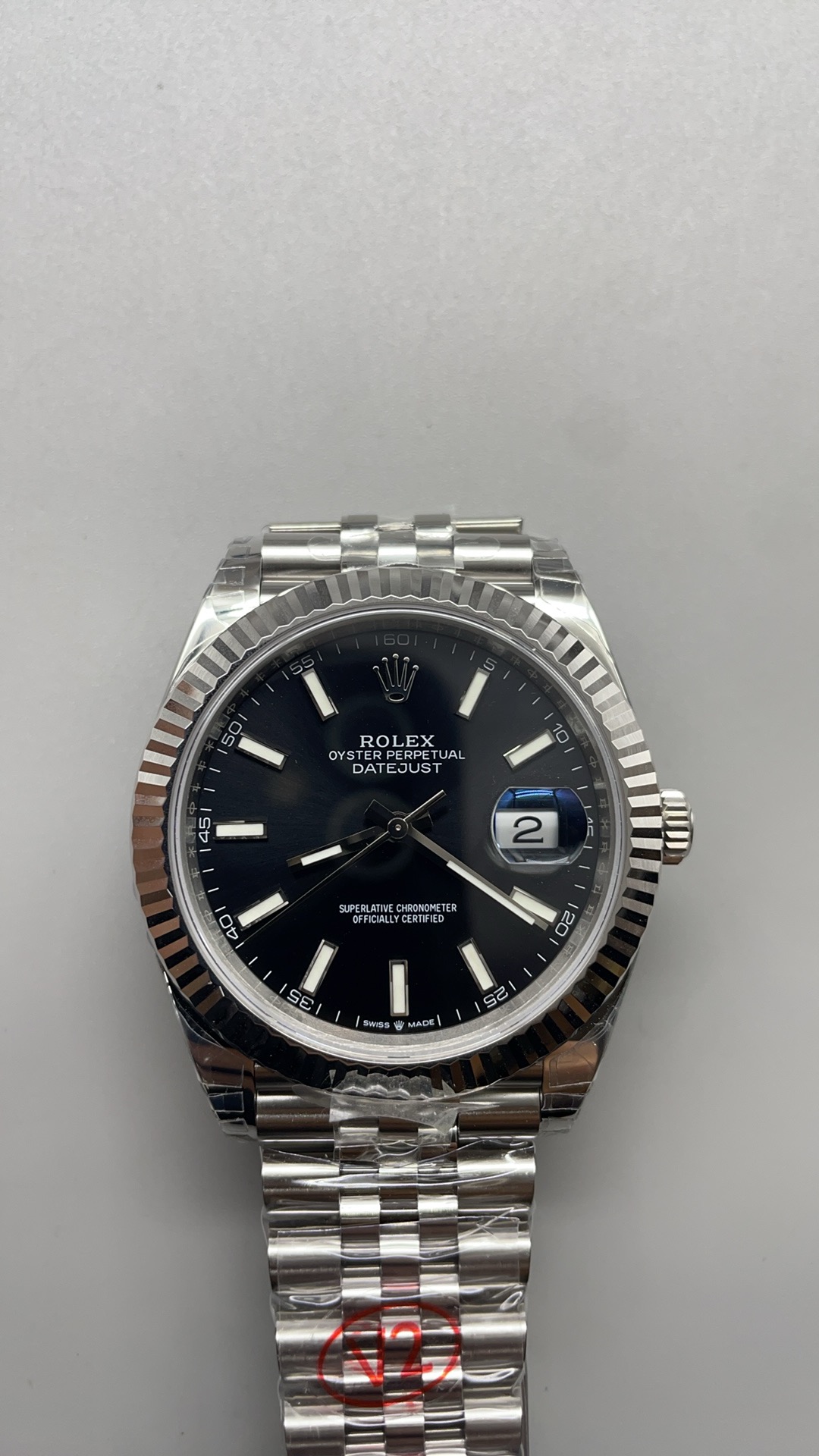
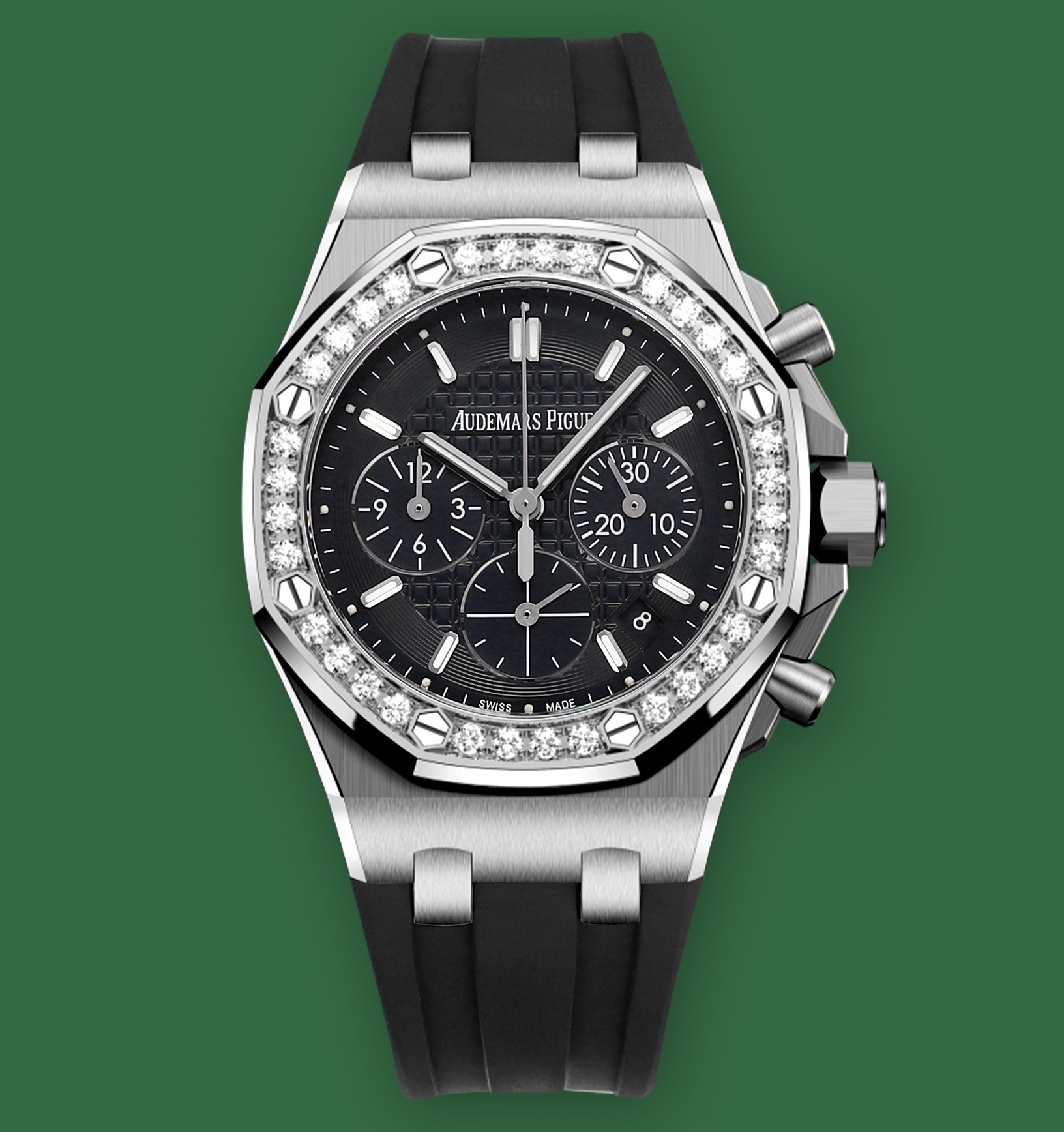
No. Official service centers will not service a non-genuine movement under any label, because their parts, tooling, and warranties are built around movements the brand actually made. A watch labeled VS factory therefore routes around official service entirely. Your real decisions are: keep it running through an independent watchmaker, replace the movement, or retire the watch. Here is how to think through each path.
The policy, stated plainly
Brand workshops service genuine movements only. A non-genuine movement means a declined job, no brand parts, and no brand warranty — the watch is returned as it came in. The policy attaches to what is inside the case, which makes it the same answer whether the label is VS, Clean, or any other name in the factory comparison discussions.
Terms to translate before you decide
Clone movement
A seller and forum term for a movement built to imitate a branded caliber's layout and dimensions. "Clone" promises a resemblance, not a quality level; two clone movements can differ enormously. The word describes an intention, not a test result.
Decorated movement
A movement finished with plates, engraving, or a decorated rotor so it resembles a branded caliber. This is cosmetic work. Decoration says nothing about how the movement runs.
"ETA-based" and "Swiss parts"
Claims about generic Swiss components inside a non-genuine watch. Like every other claim on the listing, this one attaches to the individual movement and can only be checked by opening the case. For the underlying distinction that makes these terms meaningful, see automatic versus quartz movements.
Reading a movement claim without opening the watch
Two checks narrow most claims before any tools come out. First, the listing versus the movement photo: if the seller names a specific caliber, the movement shown through the caseback should match that caliber's documented layout — bridge shapes, rotor text, and jewel placement are all visible. Second, function: a movement claiming a complication should deliver it — a date that does not set, or a chronograph that does not reset, tells you the description and the watch parted ways. A watchmaker's two-minute look settles what remains.
A decision guide for a non-genuine movement
- Find out what is actually inside. Movement photos from the seller, or a watchmaker's two-minute look through the caseback, end most guessing. If the seller will not show a movement photo, treat that as the answer: what you cannot see, you cannot buy on purpose.
- Price a routine service. Ask an independent who agrees to work on it. Cleaning, oiling, and adjustment are the same job on any mechanical movement; the difference is parts.
- Compare service against replacement. For many non-genuine watches, a new movement costs less than a careful overhaul, and independents routinely swap one in when parts are the problem.
- Ask about parts honestly. If the movement is a common generic type, parts are usually obtainable. If it is a close copy of a branded caliber, options shrink because no official parts channel serves it.
- Decide against the watch's value. A repair bill larger than the watch's replacement value is a retirement notice, not a repair decision.
The quartz escape hatch
If the watch is worn for looks rather than mechanics, a quartz replacement movement is the cheapest long-term answer: no service intervals to budget, years of battery life, and generic parts everywhere. It changes what the watch is — the automatic sweep becomes a ticking step — but for a non-genuine piece whose movement is already an imitation, the trade is often the sensible one. The mechanical-versus-quartz differences that drive the decision are laid out in our movement comparison.
What independents can and can't do
An independent watchmaker can clean, oil, adjust, and replace generic parts, and can source aftermarket components for common calibers. They cannot order genuine branded parts for a non-genuine movement, and no one can guarantee a long-term parts supply for a movement that only exists as an imitation. Ask for a service that includes fresh oils and a timing adjustment; "clean and oil" is the standard job, and any movement that cannot be brought to reasonable timekeeping after it is effectively end-of-life. If the watch simply needs a care routine rather than a repair, the same watchmaker is the right place for it. Common service questions are covered in the FAQ.
Frequently asked questions
Can a clone movement accept genuine branded parts?
Not reliably. Whether a genuine part fits depends on the movement's actual architecture and dimensions, and official parts channels do not supply non-genuine watches. Assume no until a watchmaker proves otherwise.
How often does a mechanical movement need service?
Common guidance is every four to six years, more often for watches worn daily in tough conditions. Seals are checked at the same time, which is why service and water resistance go together.
Is replacing the movement cheaper than servicing it?
Often, for watches with common generic movements, because a new movement costs less than careful labor. A watchmaker can quote both paths once the case is open.
Does any warranty apply to a non-genuine movement?
No brand warranty exists for a watch the brand did not make. Any warranty offered is a seller promise, and its value depends entirely on the seller honoring it.
본 콘텐츠는 일반적인 시계 교육용입니다. 개별 제품을 검증하거나 정품임을 보증하지 않으며, 제3자 브랜드나 공장과 무관합니다.