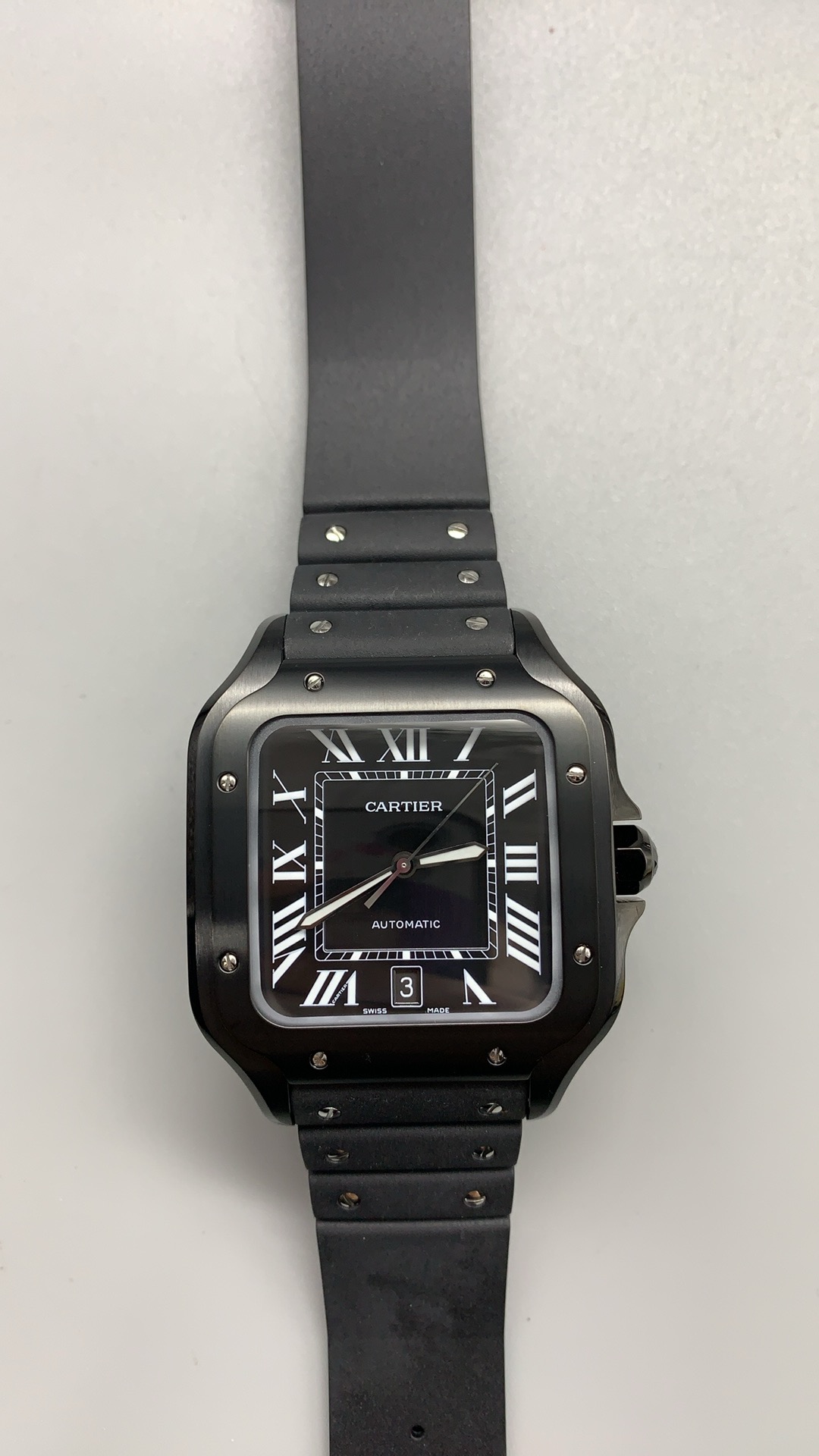
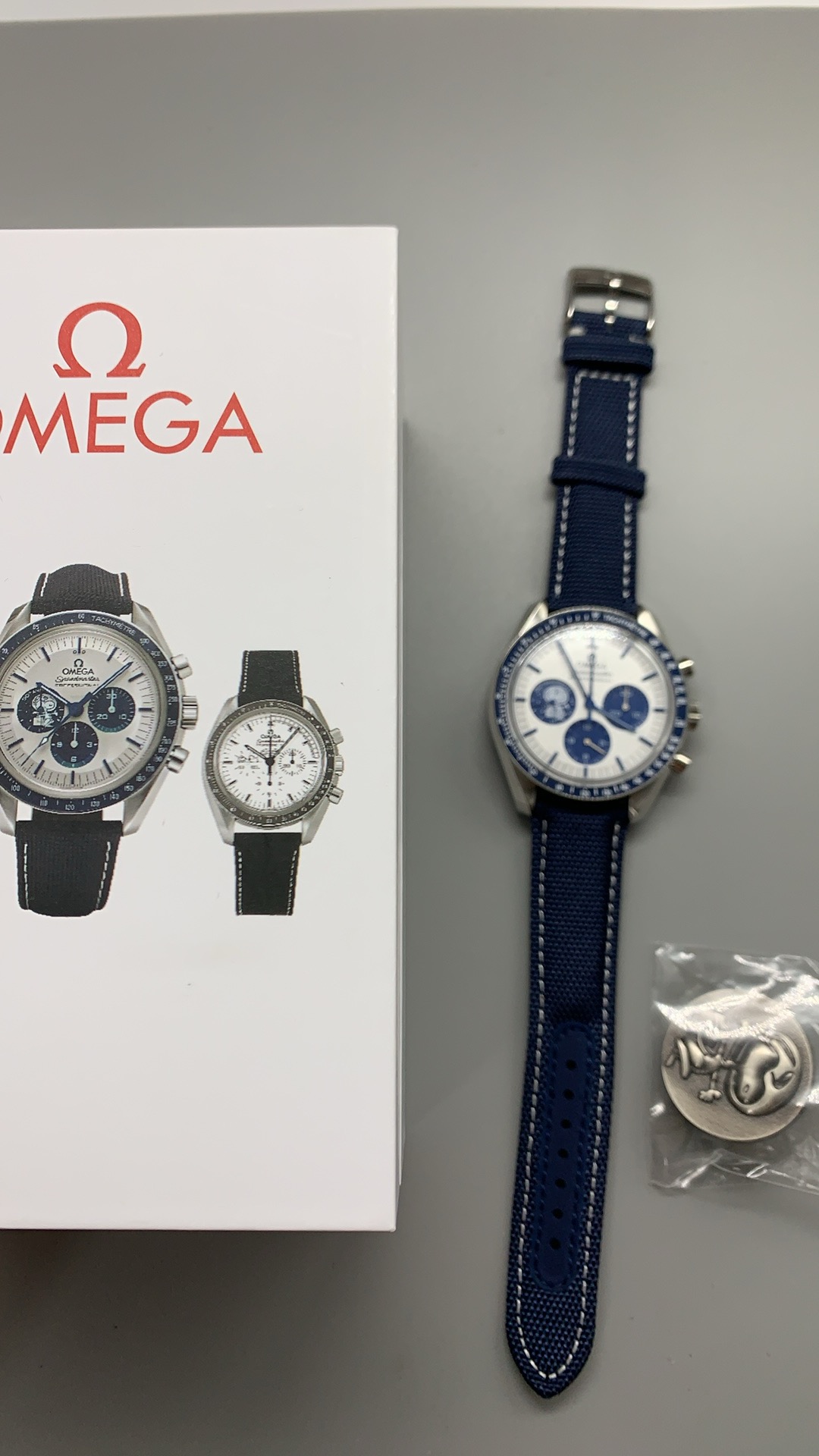
Yes. A watchmaker can run dry and wet pressure tests that measure how much pressure the case, crown, and gaskets currently withstand. A claimed 100-meter rating can be tested to roughly that pressure, and a claimed 300-meter rating can at least be checked against the ceiling of the local tester. What a passing test cannot do is validate the "AAA-grade" label or predict how the watch will seal a year from now.
How pressure testing works
Dry testing places the watch in an air-pressure chamber and measures tiny deformations of the case and crystal as pressure rises; a case that flexes and recovers cleanly is sealing. Wet testing submerges the watch, pressurizes the chamber, and watches for air bubbles escaping as pressure releases. Many independent shops run testers that cap out around 6 to 10 bar — roughly 60 to 100 meters — so deeper ratings need equipment found at brand service centers. For what the printed depth ratings mean in daily life, see watch water resistance explained.
Rating claims versus realistic use
The conventional guidance is conservative. A 30-meter watch survives splashes and rain; 50 meters tolerates brief immersion; 100 meters is the usual threshold for swimming; and 200 meters and beyond is dive territory, with ISO 6425 defining the dive-watch standard. A listing that claims a 300-meter Submariner-style rating — the same rating as a genuine Rolex Submariner or Omega Seamaster Diver 300M — is making a testable claim about the case, and that claim deserves a test, not trust. One practical habit for any diver-style watch: the crown must be screwed down before the watch meets water, because an unscrewed crown is an open door regardless of rating.
Where the printed rating comes from
Depth ratings on a dial describe what the maker designed the case to withstand, not what any particular watch currently does. A dial printed "300m / 1000ft" on a genuine Submariner reflects Rolex's testing standard for that model; the same print on an unauthorized case is an assertion the case has to live up to. That distinction is the whole point of the decision path above: the claim is testable, so test it.
A decision path for the listing
- Claimed 30 meters: the cheapest possible test. Have it run before the watch meets water; a 30-meter watch should survive the test easily.
- Claimed 100 meters: ask for a wet test at the claimed pressure. A watch that passes 10 bar has earned its rating, for now.
- Claimed 300 meters or more: local testers usually cap below the rating. Decide whether partial verification — typically 6 to 10 bar — is enough for your actual use, or send it somewhere with deeper equipment.
- No test available: treat the watch as untested regardless of what the caseback claims.
What ISO 6425 adds
The ISO 6425 standard defines what a watch must do to be sold as a dive watch: water resistance at the rated depth with a safety margin, legibility requirements, a unidirectional bezel, and resistance to shock, magnetism, and thermal shock among the tested properties. A watch that merely prints a depth rating has not met ISO 6425; certification is a documented thing, not a dial marking. The differences between tool divers and their dressier siblings are explored in diver vs chronograph.
What the crown and gaskets actually do
A screw-down crown threads onto the case tube and holds the crown flush against its gasket, which is the part that actually seals. Gaskets are consumable rubber — they harden and shrink over years, which is why a twenty-year-old diver can fail a pressure test despite a pristine case. Crowns seal through gaskets, so a screw-down crown is protection, not a substitute for maintenance.
Why one pass is not a guarantee
Water resistance is a condition, not a property. Gaskets age, crown seals wear, and a passing test describes the watch today. After any caseback opening — battery change, movement inspection — the watch should be re-tested, and any watch worn swimming should be tested on a schedule. Unauthorized production carries extra unknowns: case machining, tube, and gasket quality are invisible from outside, so a one-off pass says little about the next twelve months. The maintenance side is covered in the mechanical watch care checklist. Even a fresh pass is not permission: a watch rated 300 meters that passes 10 bar is verified to 10 bar, not to its dial, so swim with the number you tested, not the number that was claimed.
One more layer: a pressure test measures sealing, not the label. "AAA-grade" defines no water-resistance standard, and the seller's grade adds nothing to what the pressure chamber reports — the label discussion is in replica watch grading claims.
Frequently asked questions
How much does a pressure test cost?
It is typically a modest bench fee, far below the cost of repairing a flooded movement, and many watchmakers include a dry test with any battery change or service.
How often should water resistance be tested?
Annually for any watch worn swimming, and after every caseback opening.
Can a watch pass 30 meters and fail 100 meters?
Yes. Each pressure level stresses the seals differently, so a pass at 3 bar proves nothing about 10 bar.
Why do local testers cap around 10 bar?
Deeper-rated pressure chambers are specialized equipment, so most independent shops test only to the depths their clientele actually needs.
本コンテンツは一般的な時計教育を目的としています。個別の製品を検証したり真贋を保証したりするものではなく、第三者のブランドや工場とは一切関係ありません。