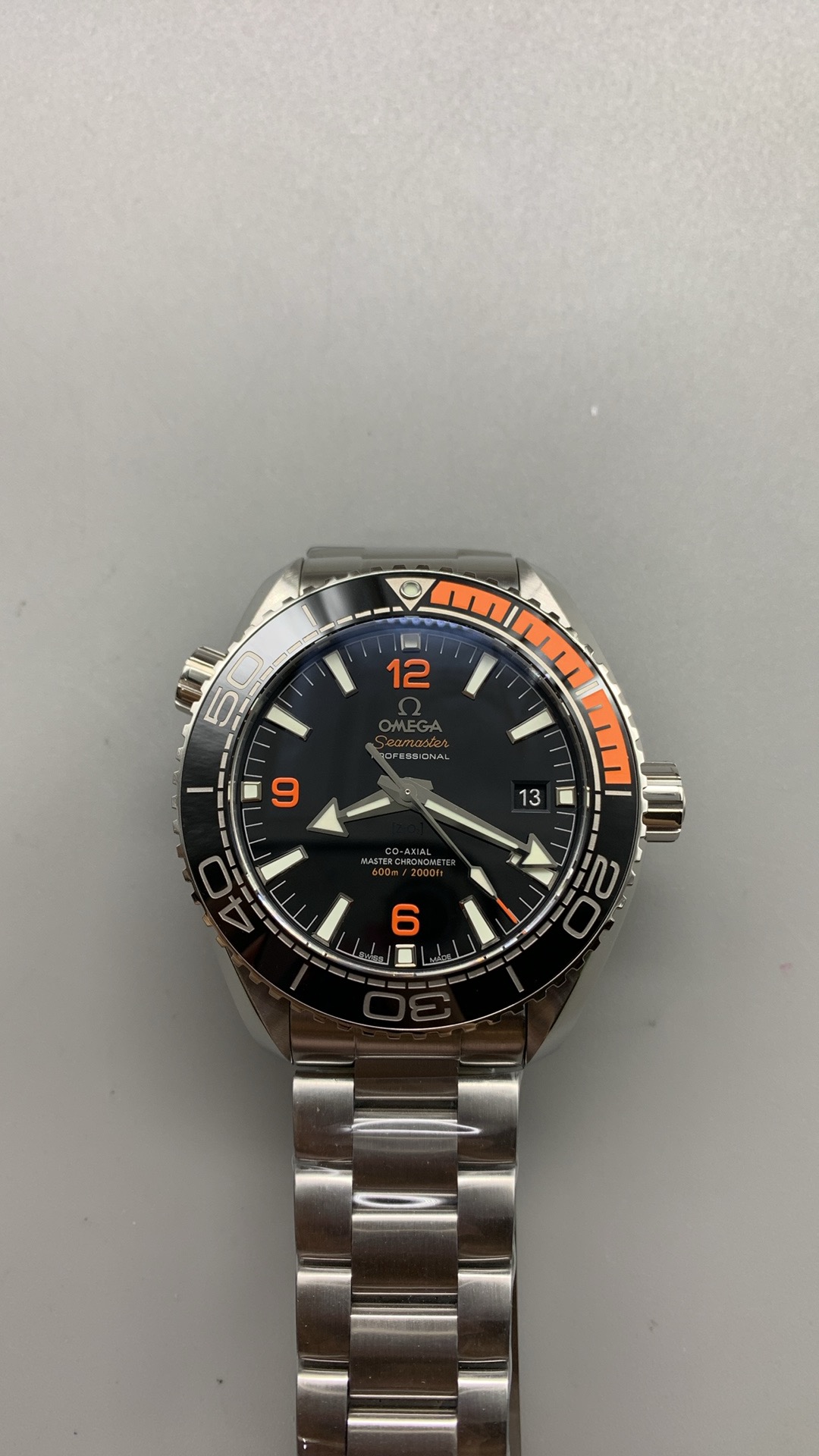
A watchmaker can inspect a NOOB-labeled watch the same way they inspect any mechanical watch: they measure the timing, look at the movement and check the seals. What they cannot do is grade the watch against a factory standard, because none exists. Clone movements have no published specifications, the depth rating printed on the dial is unverified, and authorized service centers will not work on a watch identified as counterfeit. The inspection is real; the reference points are not.
What a typical inspection actually covers
A competent inspection starts on the timing machine. Three readings matter. The rate is the seconds gained or lost per day; a few seconds either way is fine for most owners. The amplitude is the swing of the balance wheel in degrees; a healthy movement on a full wind typically measures between roughly 250 and 320 degrees, with anything well below that hinting at friction, dirt or weak power. The beat error is the difference between the two half-swings of the balance, expressed in milliseconds, and a well-adjusted movement sits under 1.0 ms, ideally under 0.5 ms.
Those ranges come from experience with well-made Swiss calibers. A clone movement can hit all three numbers and still be a clone, and conversely a genuine movement in need of service can fail them. The timing machine measures performance, not authenticity.
The rest of the inspection is physical: case and bracelet condition, crown and tube wear, gasket condition, and, if you authorize it, a pressure test. A pressure test reports what the case held at a specific pressure on that day. It does not certify the depth rating printed on the dial, which on a forum-label watch is a seller claim with no documented testing behind it. Read our water resistance explainer for what the ratings actually mean.
The pre-inspection checklist: what to prepare
Before you hand the watch over, prepare five things:
- Photos of the watch, including the case back and crown, taken the day you hand it over.
- The movement type the listing claimed, so the watchmaker can confirm or contradict it once the case is open.
- Notes on behavior: how long the power reserve actually lasts, whether the date flips cleanly, any rotor noise or wobble.
- The exact questions you want answered, in writing: rate, amplitude, beat error, pressure test result and seal condition.
- An agreed cost ceiling for opening the case, since most diagnostics require it.
Where diagnostics hit a wall
Three walls come up in practice. First, there are no factory specifications for the movements in these watches, so a watchmaker cannot say the movement is within spec; they can only report the measured numbers and their own judgment. Second, the parts picture is thin: if the movement needs a component, sourcing may come down to donor movements rather than a catalog. Third, some claims are simply not diagnosable: a claim about finish grade or genuine construction is a marketing statement, and no bench tool measures it. Our mechanical watch care checklist covers what regular maintenance looks like on a watch worth servicing.
Questions worth asking the watchmaker
- What base movement is this, once you have it open?
- What did the timing machine show before and after regulation?
- At what pressure was the water resistance test run, and did the seals pass?
- If it needs parts, where would they come from, and what would that cost?
- Would you service this movement, or is replacement the realistic option?
A watchmaker who answers these directly is giving you the diagnostic value the listing could not. One who will not open the case, or who quotes service terms without seeing the movement, is guessing.
What authorized service centers do with these watches
Brand service networks do not service watches identified as counterfeit or fitted with non-genuine parts. A NOOB-labeled watch sent to an authorized Audemars Piguet or Rolex service center will typically be refused, and in some cases reported. Independent watchmakers vary: many will regulate and oil a clone movement, some will not touch the watch at all, and all of them will charge against parts availability, which for these movements is the binding constraint. The factory guides explain the sourcing side of that market, and our automatic vs. quartz explainer covers the movement basics these diagnostics assume.
Frequently asked questions
Can a timegrapher reading prove a movement is genuine?
No. The timegrapher measures rate, amplitude and beat error. A well-regulated clone can post numbers as clean as a genuine movement, so the reading proves performance at that moment, not authenticity.
Will an authorized service center inspect a NOOB-labeled watch?
Brand service networks do not service watches identified as counterfeit or fitted with non-genuine parts, and they will typically refuse the watch outright rather than inspect it.
Is the healthy amplitude range the same for clone movements?
The common 250-to-320-degree healthy range comes from experience with well-made Swiss calibers. Clone movements have no published specification sheets, so the range is a guideline for them, not a standard.
Does passing a pressure test confirm the depth rating on the dial?
No. A pass only means the case held at the tested pressure on that day. The printed rating itself remains a seller claim without documented testing behind it.
本コンテンツは一般的な時計教育を目的としています。個別の製品を検証したり真贋を保証したりするものではなく、第三者のブランドや工場とは一切関係ありません。