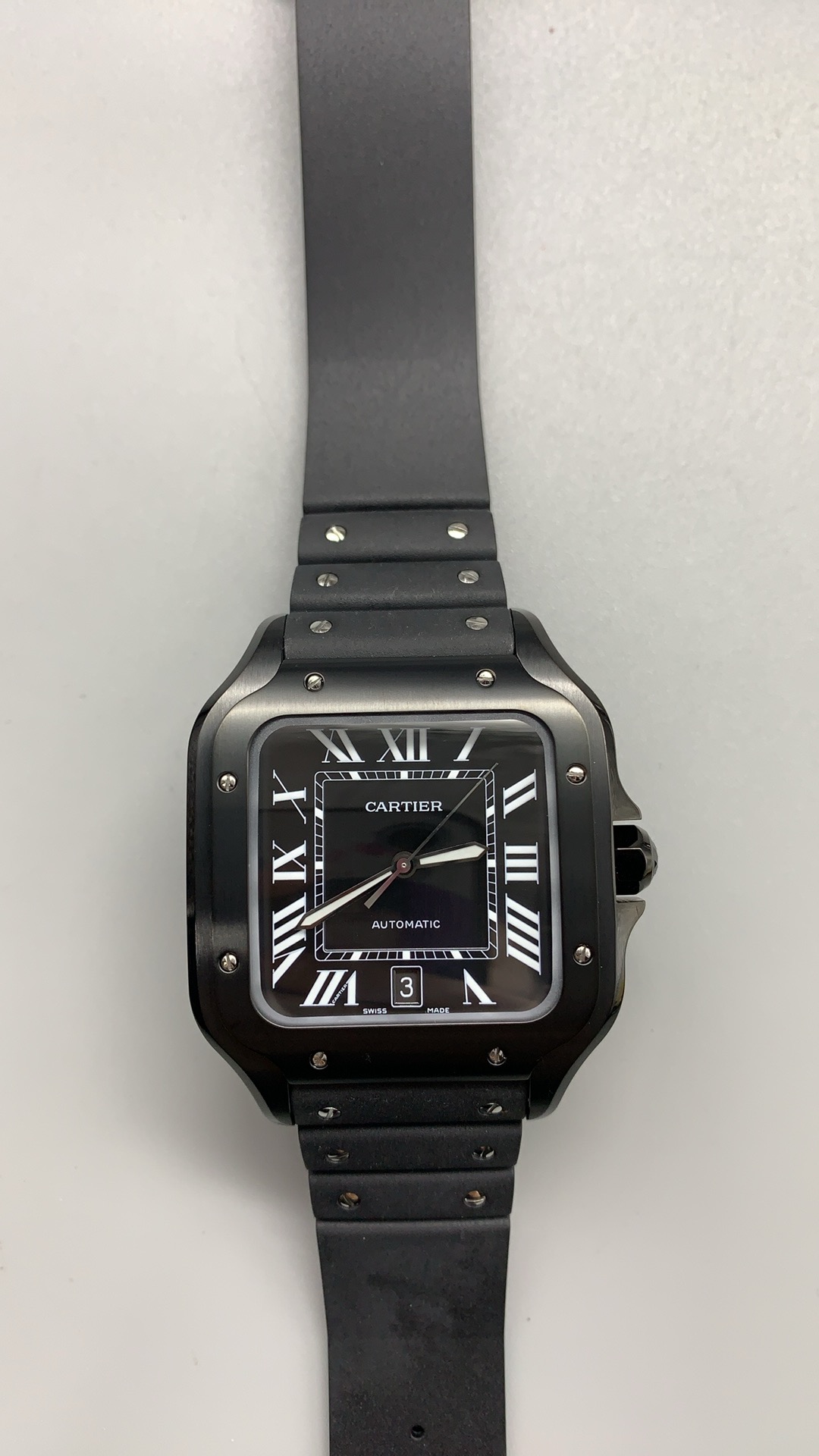
If a watch came from a VS factory listing, it is an unauthorized replica, and reselling it carries legal risk even when you disclose what it is. The evidence to keep runs in two directions: records of your own purchase, and a saved copy of your resale listing. Disclosure wording reduces the chance of a buyer-deception claim, but it does not make the sale of trademark-infringing goods lawful in most jurisdictions. Walk through the decision points below and keep records at each one.
Decision point 1: What do you actually own?
Start from the seller's label, not the seller's story. VS factory is forum shorthand for an unauthorized replica workshop; a watch sold under that name is a copy of a brand's design carrying the brand's marks. If you were told the watch was genuine, that is a separate misrepresentation against you, and your purchase records become your own claim file. If you know it is a replica, treat everything that follows as the resale of unauthorized goods. The VS factory guide explains the label in detail.
Decision point 2: Are you reselling, or something riskier?
Reselling with an honest label — 'aftermarket replica, not affiliated with any brand' — is the least deceptive version of a still-problematic sale. Listing it as genuine, or letting vague wording like 'authentic look' stand, is misrepresentation, and your own listing text becomes the evidence against you. In most countries, trademark infringement does not depend on what the buyer believed: the sale of counterfeit goods remains restricted even when labeled as a replica, and most marketplaces prohibit such listings entirely regardless of disclosure.
Decision point 3: What does your listing text claim?
Save your own listing exactly as published: title, description, photos, price, and any edits. Buyer complaints are decided on this text, not on what you meant. Write the disclosure in plain terms, put it in the title or the first line, and keep the version history. The same standards of accuracy that apply to the original seller apply to you, which is the point of our counterfeit identification guide.
Decision point 4: What do you keep after the sale?
Four records: the buyer's messages, the payment confirmation, the shipping details with tracking (and signature on delivery where the platform offers it), and photos of the item as packed and of its markings. Export conversations rather than leaving them in a chat app. Keep all of it until well past any claim window your platform or jurisdiction allows.
Decision point 5: The buyer says you misrepresented it. Now what?
Your saved listing text and message thread are the whole defense. If the buyer agreed in writing that the watch was a replica, that exchange matters; if the listing used vague wording, expect the platform to read it against you. Respond with facts and attach records, and do not delete anything. The evidence file you kept at decision points one through four is what a platform, payment provider, or lawyer will ask for, in that order.
Decision point 6: Who are you selling to?
The channel changes the record, not the rule. Private sales create the same misrepresentation risk, and the messages you exchange are the record. Marketplaces keep their own copy of your listing, which helps you — and enforces their own ban on counterfeit goods regardless of disclosure. Replica forums host members who knowingly buy these watches, but a knowledgeable buyer does not make the underlying sale lawful, and it does not stop a platform or payment provider from applying its own rules. Keep the same records in every channel.
When disclosure protects you, and when it doesn't
Disclosure does one specific job: it defeats the claim that the buyer was deceived about what they were buying, because the buyer can be shown to have known. It does not change the trademark status of the watch, and it does not override platform rules that ban counterfeit goods outright. In practical terms, the strongest position is not to resell an unauthorized watch at all. If you proceed, do it with full disclosure, keep both sets of records, and understand that the risk is reduced, not removed. Grading vocabulary like '1:1' adds nothing to your disclosure; the grading claims explainer covers why those terms carry no official meaning, and general questions are answered in the FAQ.
Frequently asked questions
Can I list it as 'unbranded' if it carries the brand's marks?
No. If the watch bears a brand's name, logo, or engravings, it is not unbranded, and describing it that way is itself misleading. The description has to match the item in front of you.
Is putting 'replica' in the title enough?
The label helps the buyer know what they are buying, but the sale of trademark-infringing goods is still restricted under most platforms' rules and most trademark laws, whatever the title says.
What if I bought it years ago and lost the receipt?
Keep what you have: emails, chat records, and photos. A later buyer's complaint will be judged mostly on your listing and your messages with them, not on your original purchase.
Should I keep the buyer's messages after delivery?
Yes. Export and archive them. Buyer statements about knowing the watch was a replica can matter in a misrepresentation dispute, and deleted chats cannot be recovered.
本コンテンツは一般的な時計教育を目的としています。個別の製品を検証したり真贋を保証したりするものではなく、第三者のブランドや工場とは一切関係ありません。