
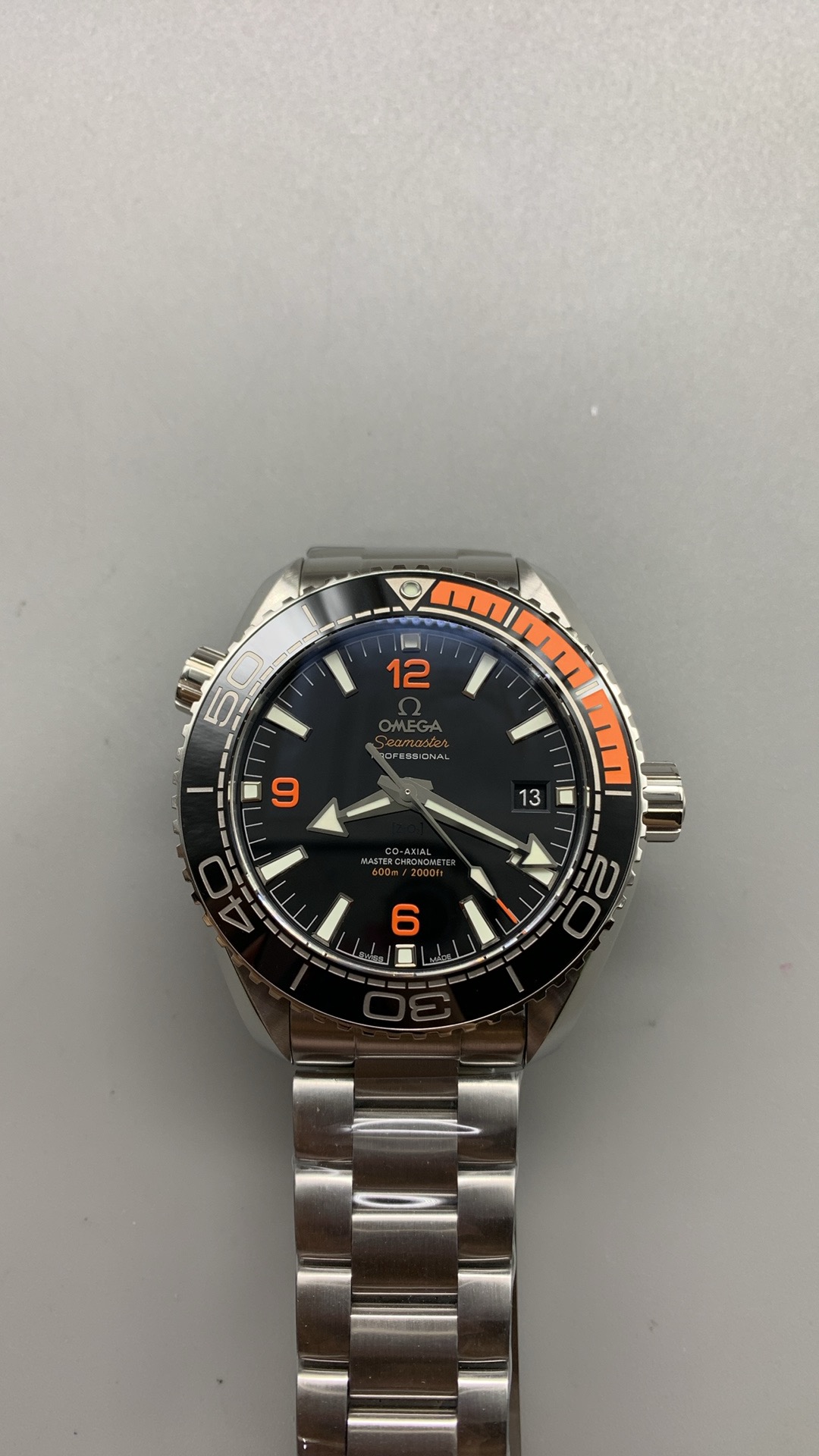
Before reporting a suspected counterfeit listing, save the evidence first, because the report is only as strong as its record. The minimum set is a dated screenshot of the listing with its URL, the seller's name, the item number and price, your messages with the seller, and your payment record. Once the listing disappears, which can happen minutes after a report, evidence you did not capture is gone for good.
Step one: capture, then report
The order matters because reports and takedowns are visible to the seller. A seller who sees a report coming may edit the listing, change the photos, or delete it outright, and marketplaces remove listings without preserving them for you. Capture everything while the listing is still live, in the state you first saw it. The capture routine is the same one described in our guide to identifying counterfeit watches: full-page screenshots with URL and date, the complete description text, every photo at full resolution, and an independent web-archive copy of the page.
The reporting paths, and what each one needs
Marketplace report
Major marketplaces provide a report function on each listing for counterfeit or prohibited items. A useful report names the specific reason, attaches the evidence, and describes why the listing is counterfeit rather than merely undesirable. The marketplace's review is internal, and its outcome is its own; your evidence is what makes the report concrete.
Brand anti-counterfeiting contact
Watch brands maintain anti-counterfeiting teams and accept reports about fakes sold under their names, usually through a form or address on the brand's site. Brands have the standing to pursue their trademarks that an individual buyer does not, which makes the report valuable even when the marketplace does nothing.
Customs or border agency
Where the shipment crosses a border, the border agency is a separate reporting path. Agencies that seize counterfeit trademark goods take reports about suspected shipments, and the shipping label, tracking number, and declared-value documentation you kept are the inputs they use. For the background on import restrictions, see our NOOB factory guide and its notes on how these listings travel.
Payment dispute
This is a parallel path rather than a report. Card issuers and payment services have chargeback or buyer-protection processes with their own evidence rules and deadlines. The same record serves both paths: what was advertised, what was paid, and what arrived.
What to save for each path
- Listing: URL, title, price, seller name, item number, and the full description text.
- Photographs: every listing photo, plus your photos of what arrived, side by side where possible.
- Conversation: all messages, especially any claim the seller made about authenticity or origin.
- Payment: invoice, transaction ID, amount, and date.
- Shipment: tracking number, carrier, labels, and the customs declaration as photographed on arrival.
Deciding whether and how to report
Reporting is optional, and the decision has trade-offs worth thinking through before acting:
- What do you want from the report? A refund points to the payment dispute; stopping the seller points to the marketplace and the brand; the shipment itself points to customs. The goal picks the path.
- Is your own record complete? A report filed from memory is a complaint, not evidence. If the capture is thin, spend the time reconstructing it before filing.
- Are you inside a buyer-protection window? Payment deadlines run on their own clock and do not wait for marketplace reviews. File the payment dispute within its window regardless of the report.
- Do you still have the watch? Keep it while any process is open. The item is the strongest piece of evidence, and shipping it back early can leave you with neither the watch nor the money.
What reports realistically do
A marketplace report may remove one listing; the seller may reappear under a new name, which is why reports that include the brand and the payment record outlive a single takedown. A brand report feeds the brand's own enforcement work. A customs report targets the shipment pipeline rather than the storefront. None of these paths guarantees a refund, and none should delay the payment dispute. The honest expectation is that a well-documented report makes each path more effective, not that any one of them closes the matter alone. The grading claims guide covers the language in these listings, and the FAQ has the buyer-side answers.
Frequently asked questions
Should I report the listing before or after opening a dispute?
Capture the evidence first, then do both in parallel. The payment dispute has deadlines that do not wait for a marketplace review.
What if the listing is already gone?
Reconstruct what you can from your own record: browser history, a web archive, saved messages, and the payment trail. A partial record is still better than none.
Can a brand refund me for a counterfeit?
Not typically. Brand reports support enforcement against the seller; refunds come through the marketplace, payment dispute, or the seller, not the brand.
Is it worth reporting if the seller will just relist?
Yes, in combination. One marketplace report may not end the seller, but a report that also reaches the brand and, where relevant, customs reaches the seller's supply chain rather than one storefront.
本コンテンツは一般的な時計教育を目的としています。個別の製品を検証したり真贋を保証したりするものではなく、第三者のブランドや工場とは一切関係ありません。