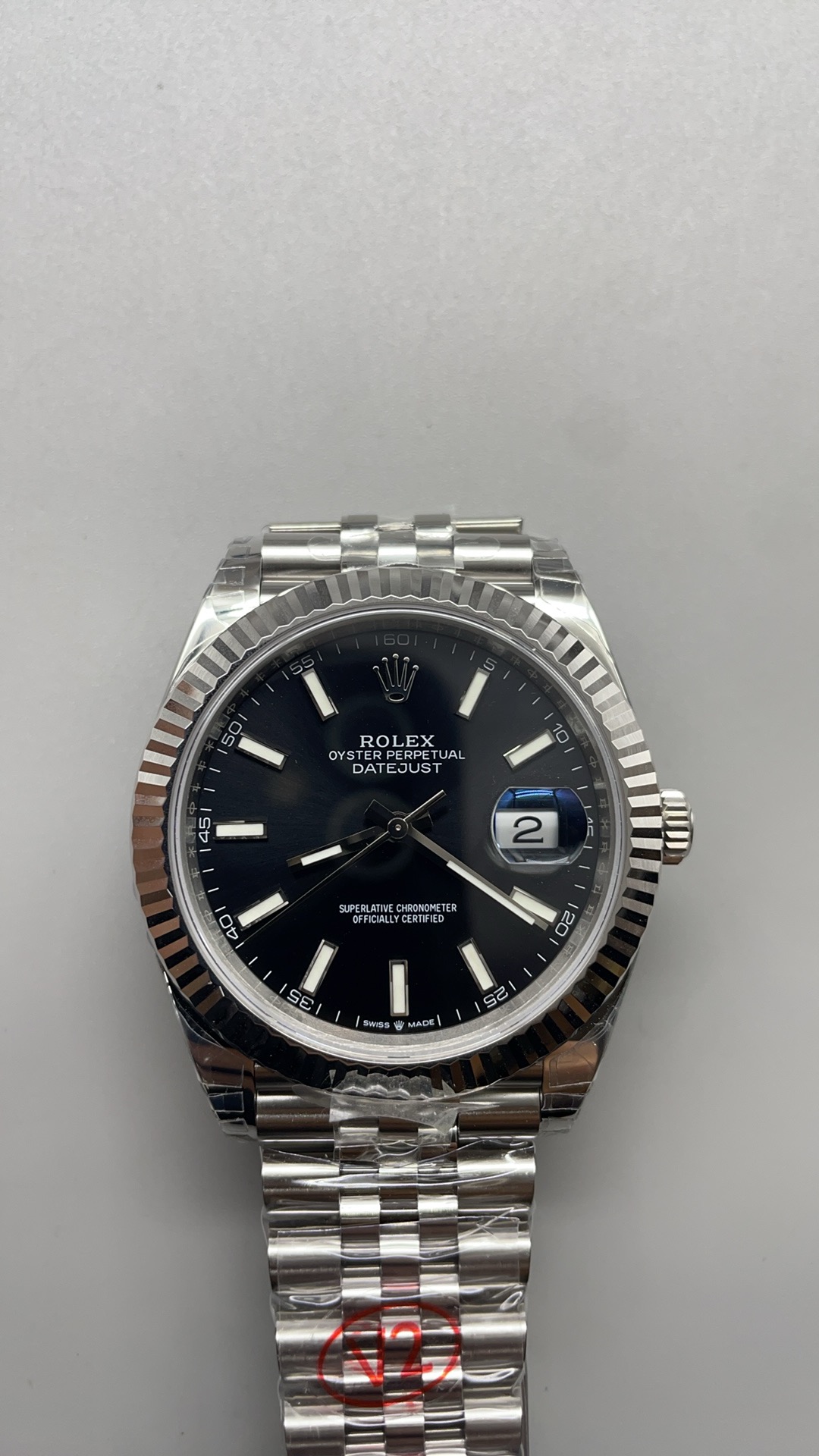
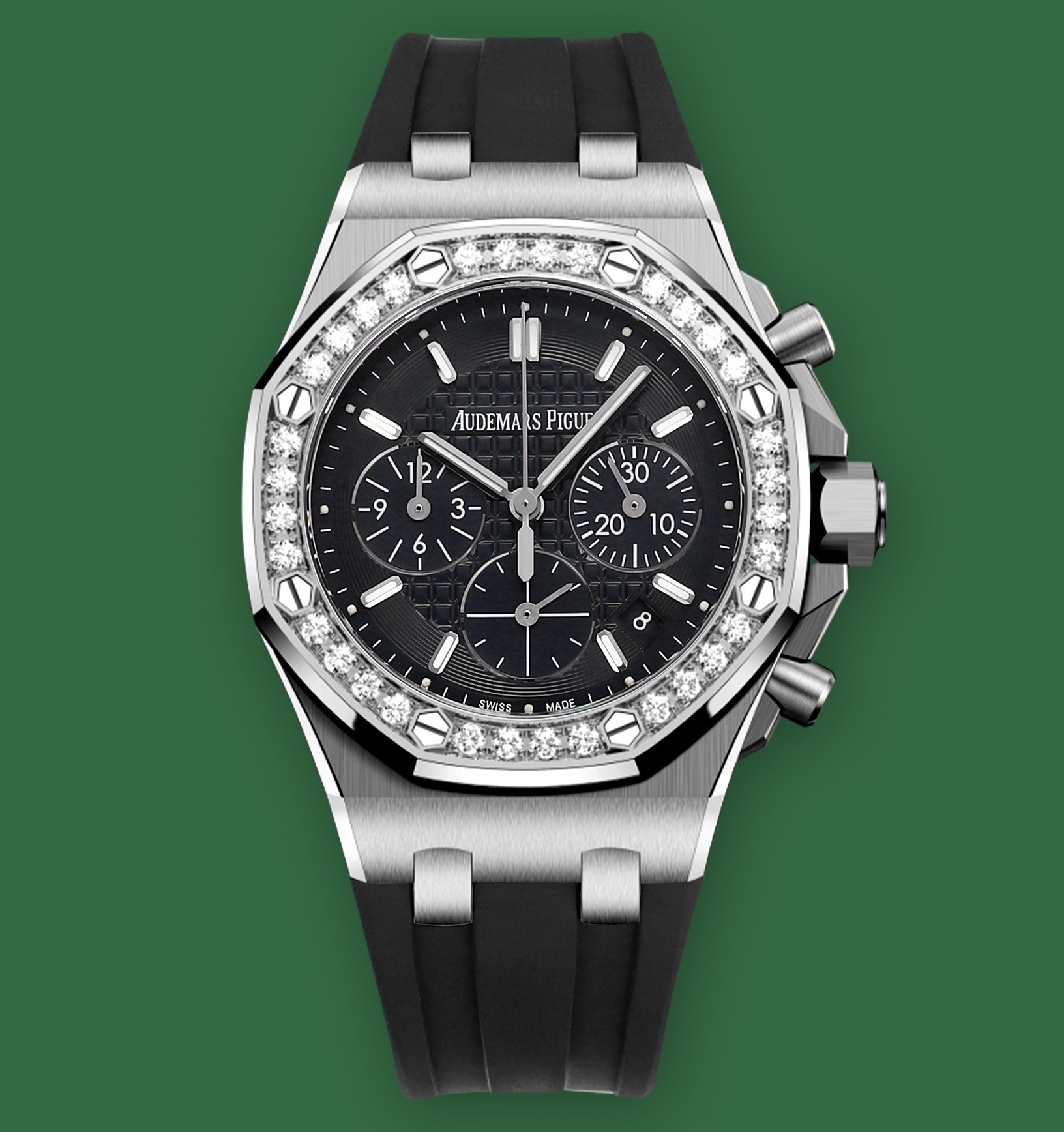
The movements inside NOOB-labeled watches are almost never the calibers their dials suggest, and that single fact shapes every service decision you will make about one. Most are Asian-made copies of ETA or Miyota architecture, and some are dressed up to look like an in-house caliber. A competent watchmaker can regulate and oil them, but the service path is shorter than it is for a genuine watch: there are no factory specifications, parts channels are thin, and genuine parts for the calibers being imitated are restricted.
The movement types you will meet in these listings
ETA-style Asian clones
The workhorse of the market is a copy of the ETA 2824 or 2836 layout, usually listed as Asia 2824 or, misleadingly, as a Swiss movement. These beat at 28,800 vibrations per hour and behave like the real thing at a glance. Some ETA-compatible components do interchange, which is why independent watchmakers can often repair them, but tolerances vary from batch to batch, and nothing about the fit is guaranteed.
Miyota-based movements
The Miyota 9015, a genuine Japanese caliber, powers many replica watches because it is thin, hacking and dependable. Some NOOB-labeled watches really do contain a genuine Miyota 9015, and those are the easiest of the group to service: the movement is legitimate, documented and fully supported by parts. In other listings, Miyota describes a copy of the architecture, and the distinction is only visible with the case open.
Decorated copies of in-house calibers
Listings for Audemars Piguet-style or Rolex-style watches often describe a clone 3120 or clone 3135 movement. What this means in practice is a generic base movement fitted with a decorated rotor, engraved bridges and colored plates so the open case back resembles the in-house caliber. The decoration is cosmetic. Genuine parts for calibers like the AP 3120 and Rolex 3135 are sold only through restricted channels, they do not interchange with the clones, and a damaged decorated component is frequently irreplaceable.
Low-cost DG-style movements
At the bottom of the range sit DG2813-type movements, a long-lived Chinese design that beats at 21,600 vph and costs little enough that servicing usually means swapping in a new unit. If a listing quotes a very low price, this is the movement to expect.
What servicing can realistically achieve
For the ETA-style and Miyota-based group, a service can deliver real results: disassembly, cleaning, fresh oils, regulation to a stable rate, and replacement of worn generic parts. A genuine Miyota 9015 can be serviced to the same standard as any Miyota. For decorated in-house clones, the realistic ceiling is lower: a watchmaker can clean and regulate what is there, but if a decorated bridge or rotor part fails, the watch may be unrepairable rather than merely expensive to repair.
Set expectations accordingly. The mechanical watch care checklist describes the service rhythm a healthy movement deserves; a clone movement deserves the same care in principle and gets less in practice, because the supporting infrastructure does not exist.
Where servicing stalls
Three limits define the ceiling. First, no service manuals or specification sheets exist for clone movements, so a watchmaker works from measurement and experience rather than factory tolerances. Second, parts for the decorated in-house clones are effectively unobtainable: genuine parts are restricted and do not fit, and there is no aftermarket channel for engraved clone bridges. Third, quality control varies between batches, so two movements sold under the same label may age completely differently, and a service history on one unit says nothing about the next. For the terminology behind these labels, see the VS, NOOB and Clean factory terminology explainer.
How to read service claims in a listing
Listings promise serviced-before-shipping or new movement as a matter of routine. These are assertions, not certifications: no third party inspected the movement, and the claim is unenforceable across borders in almost every case. The only service you can count on is the one you commission yourself, from a watchmaker who has the case open in front of them. A useful screen before buying is the NOOB factory guide, which explains what the label can and cannot tell you, and our automatic vs. quartz comparison for the basics the sellers assume you already know.
Frequently asked questions
Do genuine ETA parts fit the Asian 2824-style clones?
Some ETA-compatible components do interchange because the architecture is copied, but tolerances vary between batches and nothing about the fit is guaranteed; a watchmaker decides part by part.
Can a decorated clone movement accept genuine AP or Rolex parts?
Generally not. Genuine parts for those in-house calibers are sold only through restricted channels, and they do not interchange with the clones that imitate them.
How often should a clone movement be serviced?
There is no factory guidance, so owners typically service when timing drifts or power reserve drops rather than on a fixed calendar. Treated gently, the ETA-style and Miyota-based group can run for years between services.
Does a decorated rotor mean the movement is a genuine in-house caliber?
No. The decoration is plating, engraving and color work on a generic base movement, added so the open case back resembles the original caliber. It is cosmetic, not structural.
本コンテンツは一般的な時計教育を目的としています。個別の製品を検証したり真贋を保証したりするものではなく、第三者のブランドや工場とは一切関係ありません。