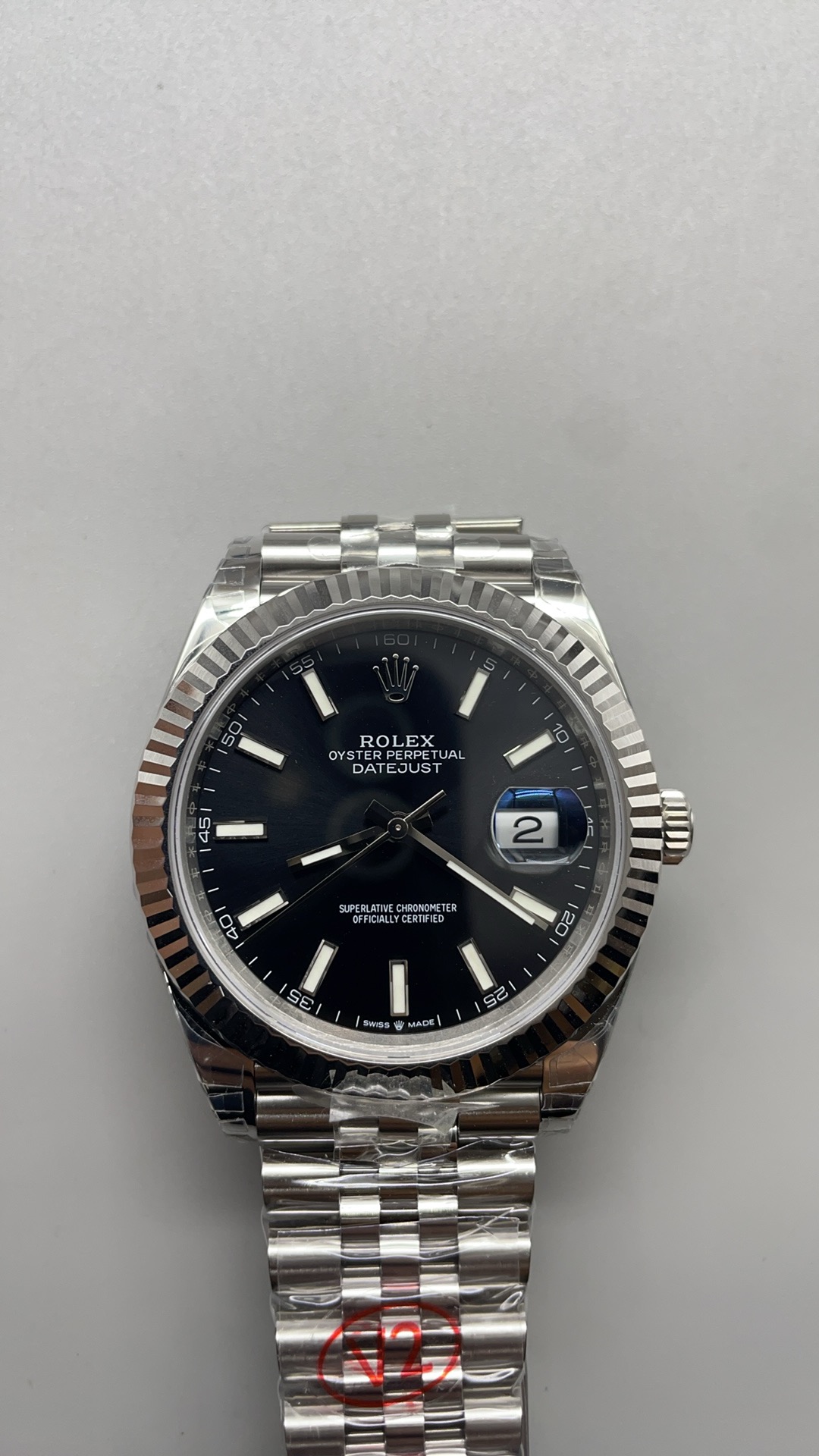
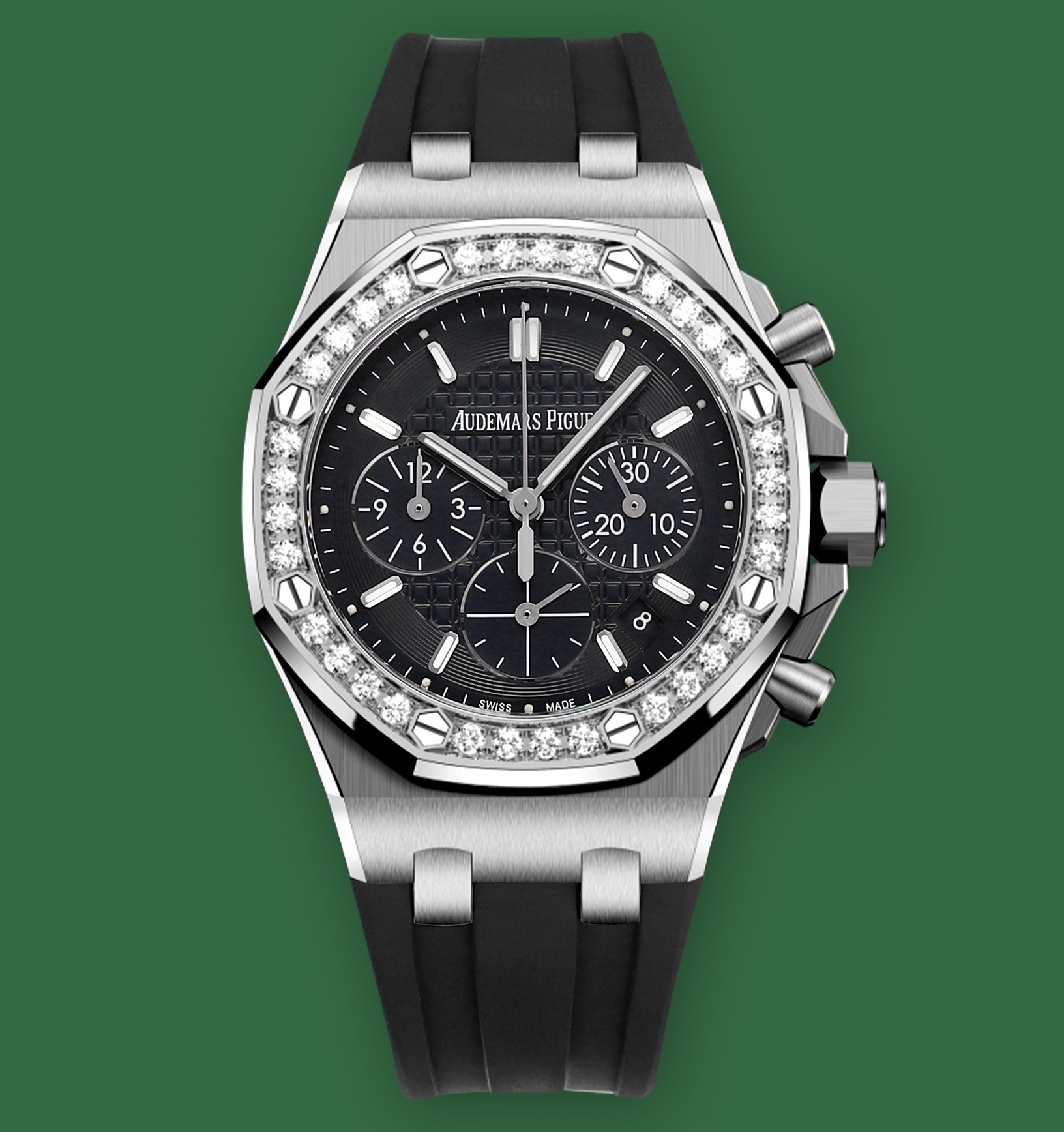
A movement name in a listing is a claim, while a calibre specification is something the manufacturer publishes: diameter, height, jewel count, beat rate, and power reserve. Listings for AAA-grade watches — a seller's term with no certifying body — freely borrow official names like Swiss ETA or 3135 and bolt on qualifiers like clone or super. The gap between the name and the specification is where buyers get misled, and it is wider than most listings admit.
What official specifications actually are
Manufacturers document their calibres because service and parts depend on it. ETA publishes data for movements like the 2824-2, and Rolex, Omega, and Cartier describe the movements they build in-house. A specification is testable: a watchmaker can measure beat rate on a timing machine, read the jewel count off the movement, and identify the base calibre by its bridge layout and markings. A listing claim, by contrast, is testable only if you have the watch and a watchmaker — which is exactly what most sellers are counting on you not doing.
Claim versus specification, movement by movement
| Listing claim | Official specification | What that means in practice |
|---|---|---|
| Swiss ETA 2824-2 | 25.6 mm, 28,800 vibrations per hour, about 38 hours of power reserve, stamped with the ETA mark | A genuine ETA is marked and traceable; many movements in low-priced watches are Chinese-built copies of the 2824 design without factory stamps |
| 3135 / super clone 3135 | Rolex calibre 3135: in-house, 31 jewels, around 48 hours of reserve, never sold to third parties | Clone concedes it is an Asian-built imitation; forum names like VR3135 and VS3135 are hobbyist shorthand, not grades |
| Calibre 8800 | Omega's in-house co-axial calibre, METAS Master Chronometer certified, about 55 hours of reserve | Installed only inside Omega watches; an unauthorized watch claiming an 8800 is false by definition |
| Miyota 9015 | Citizen-built, 28,800 vph, around 42 hours of reserve, sold openly to third parties | Plausible in principle; the movement itself must carry Miyota markings, and copies of the 9015 exist |
| Powermatic 80 | Tissot's 80-hour automatic, derived from an ETA base with a lower 21,600 vph beat rate | Found in Tissot watches; a non-Tissot listing naming Powermatic 80 is misrepresenting the movement |
Why clone is the word that gives the game away
No manufacturer sells its in-house calibres to third parties. When a listing says clone 3135 or super clone, it is describing an Asian-built movement made to look and roughly behave like the Rolex original — and that is the most honest sentence in the listing. The same logic applies to the factory names that surround these movements: terms like Noob and Clean are forum vocabulary, not quality grades, and AAA-grade carries no definition anyone enforces.
What a buyer can actually verify
- Ask for a movement photo. Display casebacks and removed-back shots show the rotor, bridges, and any stamps.
- Check the rotor engraving. Genuine ETA and Miyota movements are marked at the factory; a blank or misspelled rotor is telling.
- Compare the beat rate. A timing-machine reading is model-specific, but a claimed 28,800 vph calibre running at 21,600 points to a different movement than advertised.
- Pay a watchmaker. For any purchase worth the risk, opening the case ends the argument in minutes.
Where movement serials fit in
Genuine Swiss movements carry serials and stamps on the mainplate or bridges that match the maker's records. The presence of a movement serial does not make an unauthorized watch authorized, but its absence where one should be — or a serial a watchmaker cannot reconcile — is another data point. Movement numbers also live on warranty cards for many brands, so the same cross-check that applies to case serials applies here.
Five claims that should trigger a movement photo request
- Swiss movement with no calibre named.
- A famous in-house calibre name on a watch that is not that brand's.
- Clone, super clone, or 1:1 anywhere in the movement description.
- Emphasis on decoration — Geneva stripes, perlage — instead of the calibre itself.
- No movement photo anywhere in the listing for a mechanical watch.
The honest framing
Unbranded movements are not the problem — an unbranded automatic can keep time competently. The problem is the borrowed name. A watch described as having an ETA 2824 and delivered with a Seagull-built copy is not necessarily a worse watch for its movement; it is a different watch than the one advertised. Understanding the difference between movement types sets realistic expectations, and the Tissot and Rolex pages show what factory calibre documentation looks like in practice.
Frequently asked questions
Is a Chinese-made ETA 2824 copy necessarily unreliable?
Not necessarily. Many run acceptably when properly regulated. The problem is the false name: a copy sold as a genuine ETA is a misrepresented watch even if it keeps good time.
Can a timing machine identify a movement?
It measures rate, amplitude, and beat error, which can support or contradict a beat-rate claim, but identifying the calibre requires seeing the movement itself.
What does super clone officially mean?
Nothing. It is forum shorthand for a closer copy of a famous calibre, with no standard, no test, and no body that certifies it.
Why do listings say Swiss movement instead of naming a calibre?
Because a nationality is vague and hard to dispute, while a named calibre can be checked against published specifications. A refused or avoided calibre name is information in itself.
本コンテンツは一般的な時計教育を目的としています。個別の製品を検証したり真贋を保証したりするものではなく、第三者のブランドや工場とは一切関係ありません。