
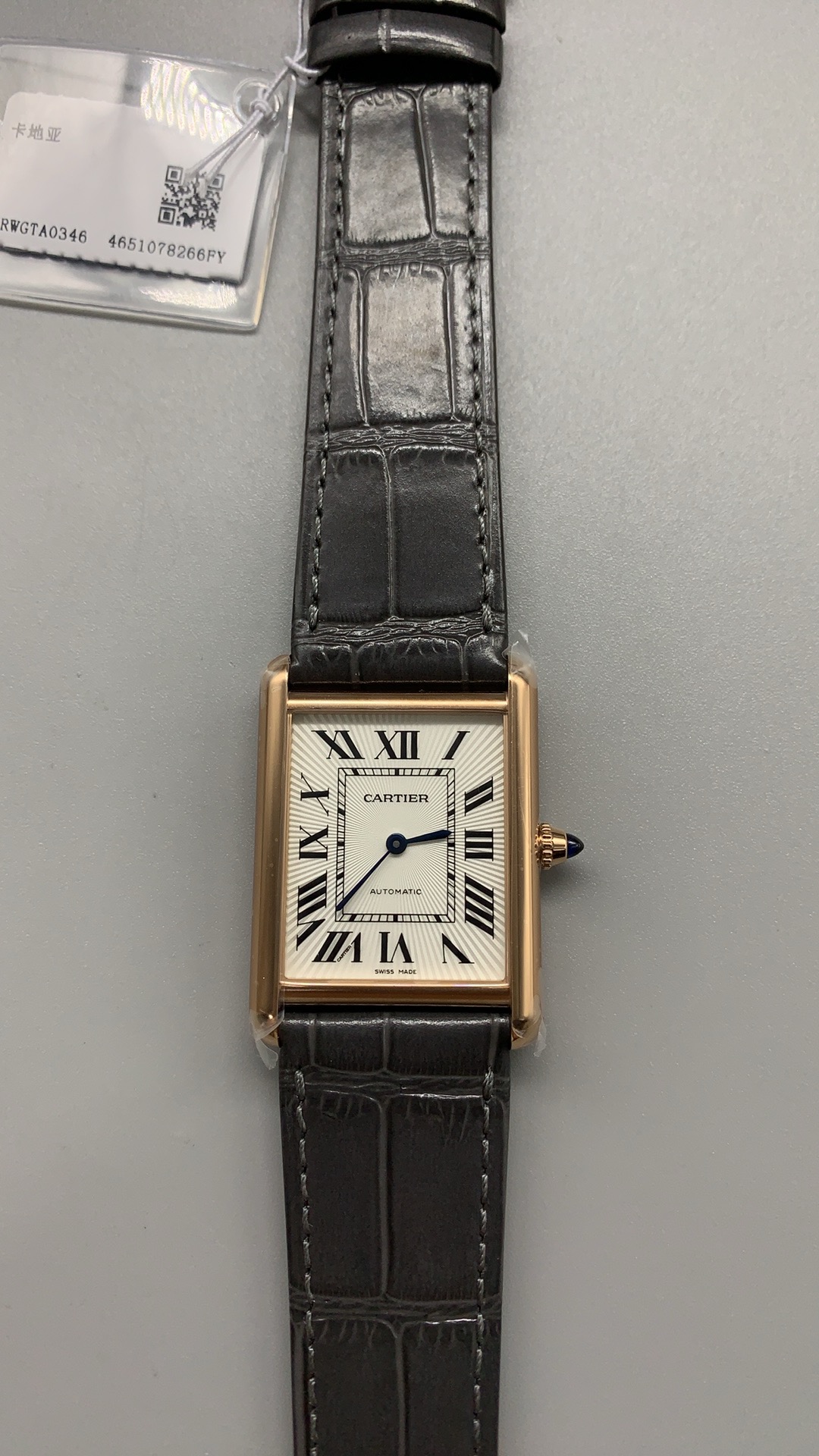
No. Caseback engravings and hallmarks are stamped metal, and stamping can be copied. A reference number, serial, or 18k mark on a caseback proves that someone engraved it — not that the watch is genuine — and on a watch sold under a “BV factory” label, the label already declares the item to be an unauthorized replica. The table below separates what each marking establishes from what it does not.
How hallmarks work on a genuine watch
On an authentic solid-gold watch, the caseback carries marks with legal meaning: a fineness stamp such as 750 or 18k, and in many markets an assay or maker's mark struck by an official office. These marks certify the metal, not the watch — a hallmarking system verifies the alloy submitted to it, and it exists because gold is valuable on its own, separate from whatever name sits on the dial. Reference and serial engravings work differently: they are the brand's own record-keeping, meaningful only inside the brand's files. Both systems, however, are physical stamps, and stamping is a mechanical process anyone with modest tooling can reproduce.
That distinction matters most on the dress-style watches the BV label is usually attached to. A gold-tone caseback stamped 750 looks the part whether the case is solid gold, plated, or base metal — and only a metal test can tell the difference. The stamp describes the claim; the alloy describes the reality.
Gold marks and steel cases: what changes
Hallmarks only apply to precious metal. A steel watch carries no fineness stamp, because there is no alloy to certify — which makes the presence of a 750 mark on a watch sold as steel a contradiction worth noticing, and the absence of hallmarks on a watch sold as gold an even bigger one. The rule is simple: the stamp must match the claim, and the claim must match the metal, and only a metal test can confirm the last link in that chain.
What each marking can and cannot prove
| Marking | On a genuine watch | On a “BV factory” listing |
|---|---|---|
| Brand reference number | Identifies the model in the brand's catalog | Copied to match the model being imitated |
| Serial number | Recorded by the brand; traceable through dealers and service centers | Often cloned from real watches; proves nothing about origin |
| Precious-metal hallmark (750, 18k, assay mark) | Certifies the metal the case was made from | A stamped appearance; the metal itself must be tested |
| Water-resistance engraving | Reflects the rating the case was designed and tested to | Cosmetic copy; says nothing about actual sealing |
The pattern is consistent: each marking is either a copy of a real one or a claim with no independent weight. The counterfeit identification guide applies the same reading to the rest of the watch.
Why engravings fail as an authenticity test
Engraving is the cheapest part of a watch to imitate. Laser and machine engraving reproduce fonts and layouts from photographs, and the equipment costs far less than a movement. A buyer comparing a caseback against an online photo is therefore comparing one stamp against its reference — a check that catches lazy work and nothing more. On dress pieces such as the Cartier-style watches the label is often paired with, the caseback is frequently the only marked surface, which makes it tempting to over-weight; resist that.
A display caseback changes the picture slightly, because it puts the movement on show and the markings on the rim. The engraving question stays the same — rim stamps copy as easily as back stamps — but the movement becomes inspectable, which is worth far more than any engraving. If a listing offers both a claimed hallmark and a display back, the movement photo should carry the decision, not the stamp.
How to actually check a caseback claim
- Have the metal tested. A jeweler can confirm whether a case is solid gold in minutes, and metal testing cares nothing about what is engraved.
- Verify the serial through an authorized dealer or brand service center, not by eye.
- Compare the caseback against photos of the correct reference and era, understanding that a match only clears a low bar.
- Remember the label. A watch offered as “BV factory” is, by definition, not the genuine article its engravings imitate; the BV factory overview states that plainly.
If you are weighing materials across the whole watch rather than the caseback alone, the case materials comparison covers steel, gold, and plating in more detail.
Frequently asked questions
Do replica casebacks copy hallmarks?
Yes, routinely. Fineness stamps and assay marks are reproduced photographically, so their presence on a caseback says nothing about the metal.
Can a jeweler test whether the case is really gold?
Yes. Metal content can be tested on the spot, which is why a hallmark claim is the easiest caseback claim to check independently.
Does deep, clean engraving indicate authenticity?
No. Engraving quality varies in both directions: genuine brands have used shallow stamps, and copies now engrave cleanly.
Is the caseback the best place to start checking a watch?
It is one place. The movement and the serial verification through the brand are stronger, because both are harder to fake than a stamp.
本コンテンツは一般的な時計教育を目的としています。個別の製品を検証したり真贋を保証したりするものではなく、第三者のブランドや工場とは一切関係ありません。