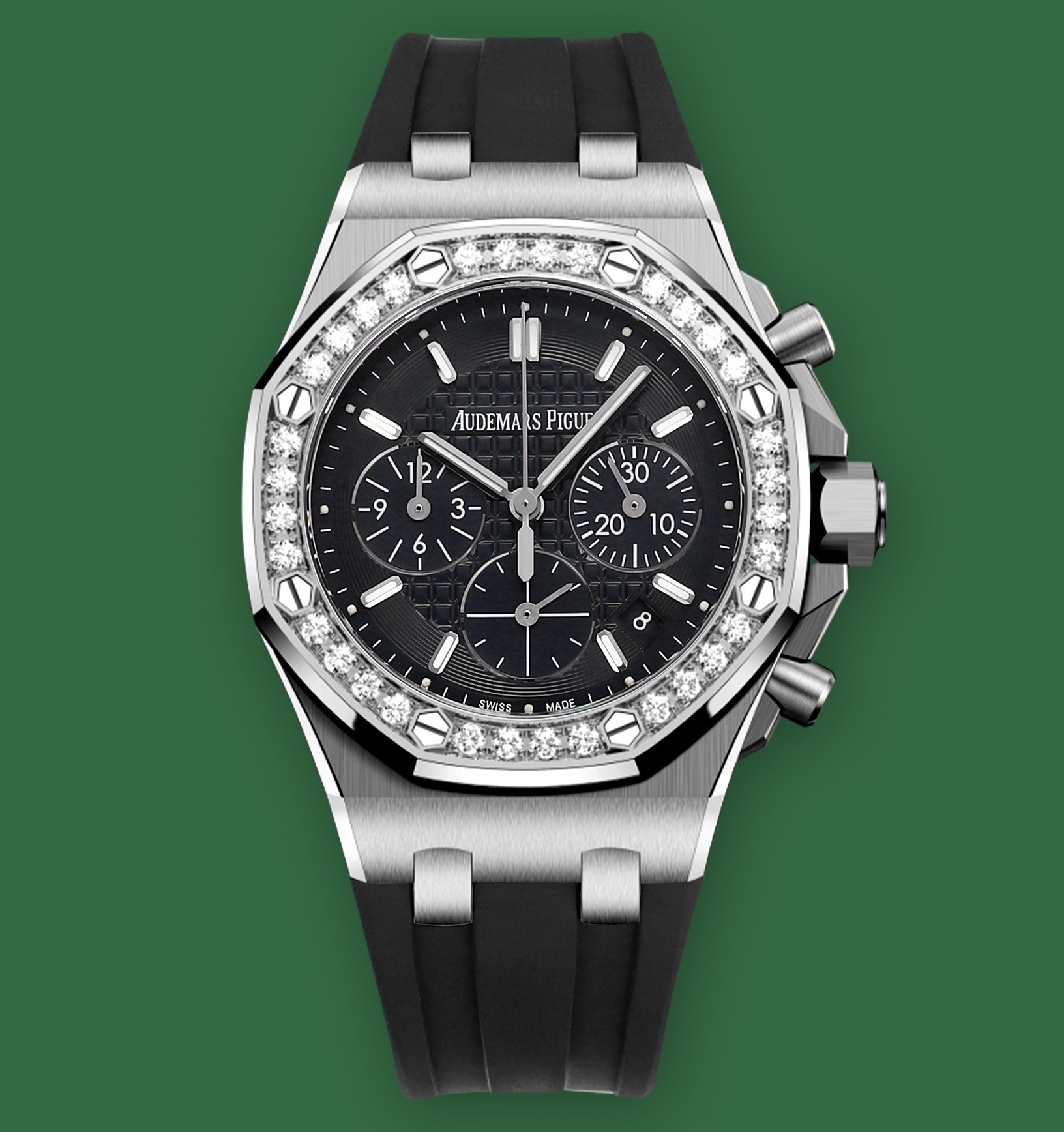
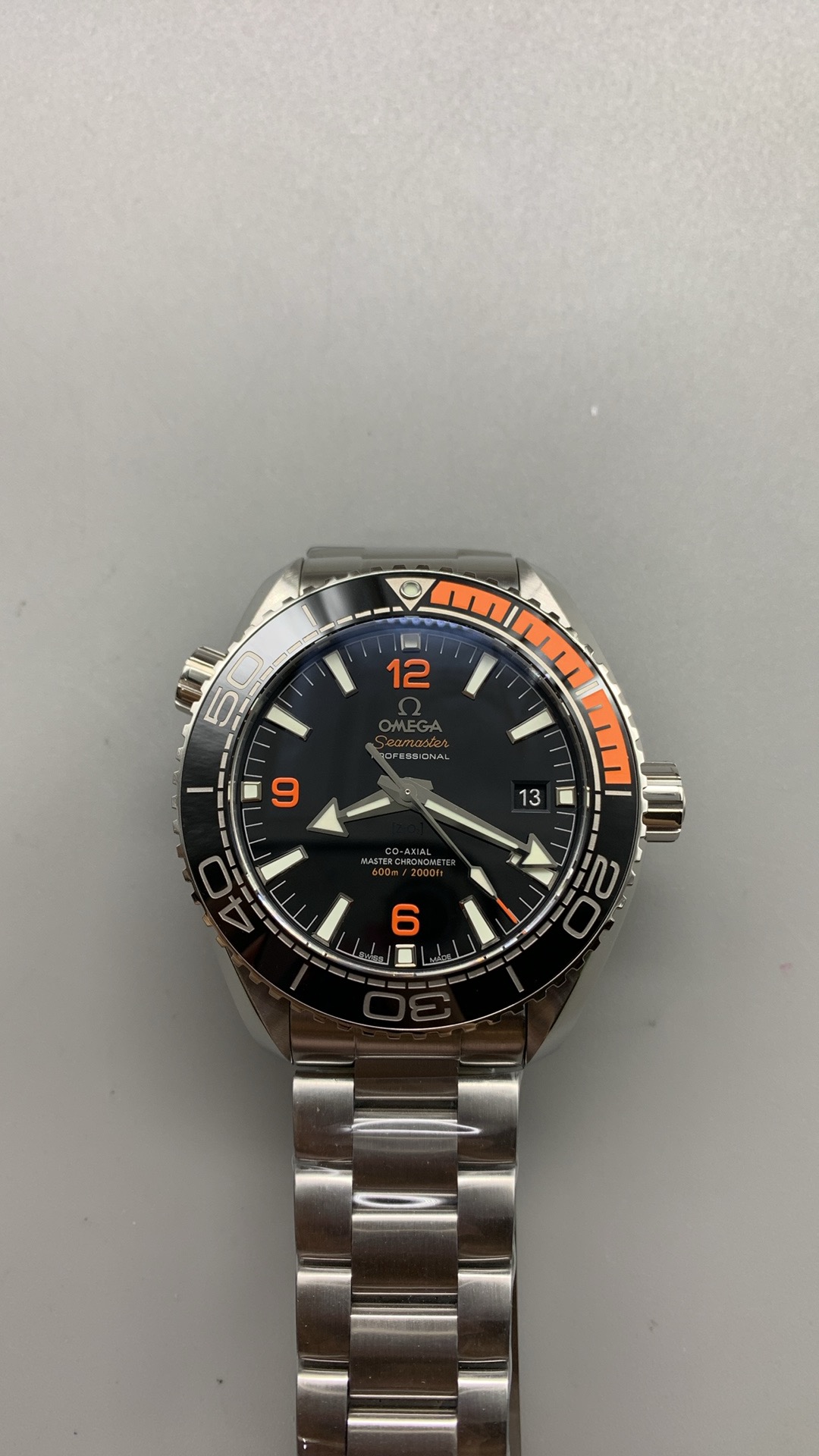
Case, crystal, and bezel material claims vary between NOOB-labeled watches because nothing behind the label verifies them. One seller writes '904L steel, sapphire crystal, ceramic bezel' and another writes '316L, mineral glass, aluminum insert' for what is presented as the same model, and a buyer without instruments cannot tell which — if either — matches the watch in hand. The table compares the claims with what a buyer can actually check.
The three claims buyers see most
Listings cluster around three materials. '904L steel' names the high-alloy steel Rolex uses and calls Oystersteel, prized for corrosion resistance and visually indistinguishable from the industry-standard 316L used by nearly every other brand. 'Sapphire crystal' names the synthetic-sapphire glass that covers modern luxury sport watches. 'Ceramic bezel' names Rolex's Cerachrom inserts, which replaced aluminum on the Submariner in 2010 and on the GMT-Master II in the mid-2000s. Each of the three is a real material with real properties — and each is also a word a seller can type without consequence.
Claim versus check
| Listing claim | What it references on a genuine watch | What a buyer can actually verify |
|---|---|---|
| 904L steel | Oystersteel, Rolex's corrosion-resistant alloy | nothing by eye or photo; composition needs lab testing |
| 316L steel | the standard stainless alloy of the industry | equally invisible; most watches, genuine and otherwise, use it |
| Sapphire crystal | synthetic sapphire glass on modern sport models | hardness testing by a jeweler; water-drop and scratch tricks are unreliable and can damage coatings |
| Ceramic bezel insert | Cerachrom on Submariners since 2010 and GMTs since the mid-2000s | scratch resistance over time and finish under magnification are hints, not proof; photos cannot settle it |
| Aluminum bezel insert | the pre-ceramic inserts of the 16610 era | fading and scratching with age are characteristic and visible over time |
| Gold plating / 'wrapped' gold | precious-metal content of genuine gold models | plating thickness is microns; content claims need assay testing |
Why the same label advertises different materials
The label carries no material specification because it names no manufacturer with one. Sellers copy wording from each other, upgrade wording to justify price, and adjust wording downward when asked. A '904L' claim on a NOOB-labeled watch is a claim about composition that no one in the transaction can test, which is precisely why it is free to make. When two listings of the same model disagree on materials, treat the disagreement itself as information: at least one description is wrong, and nothing in the listing will tell you which. How grading language works is covered in replica watch grading claims.
What photographs do and do not add
Photos help only at the extremes. A deep scratch with no crack can hint at ceramic; a faded blue bezel can hint at aged aluminum; a cyclops with strong glare differences can hint at coating. Each hint has a lighting explanation that cancels it. The reliable visual checks — crystal hardness against a known material, ceramic's resistance to a steel needle, plating thickness at the lug edge — are physical and hands-on, which is why the honest answer to any photo-based material question is 'inconclusive.'
A buyer's material checklist
- Write down what the listing claims, word for word, before asking anything.
- Ask the seller how the claim was verified; expect silence or a photo.
- Decide in advance which claims, if any, you are willing to pay for.
- On arrival, have a jeweler or watchmaker run the physical checks a photo cannot.
- Keep the listing text; if it becomes the basis for a dispute, it is the only record you have.
The realistic reading
Between 316L and 904L, between mineral and sapphire, between aluminum and ceramic, the differences are real on genuine watches and largely unverifiable on unauthorized ones. A buyer who wants material certainty is shopping for the genuine article; a buyer who wants the look is shopping for the case shape, dial, and bezel color, and should pay for those, not for alloy percentages nobody in the transaction can demonstrate. What these materials mean across case construction is compared in the case materials comparison, the broader screening process is in how to identify counterfeit watches, and the label itself is unpacked at the NOOB factory term explained.
Frequently asked questions
Can I test sapphire crystal with a water drop?
The trick is unreliable. Droplet behavior varies with coatings and contamination, and a real hardness test needs instruments. Scratch tests can damage coatings.
What is 904L steel?
The high-alloy steel Rolex uses and calls Oystersteel. It is visually indistinguishable from 316L; confirming composition requires laboratory equipment.
How can I tell ceramic from aluminum in photos?
You usually cannot. Ceramic resists scratching and fading, while aluminum fades with UV and scratches, but those differences show over time in hand, not in a photo.
What does 'wrapped' gold mean?
A seller term implying thicker plating, with no standard definition. Any precious-metal content claim requires assay testing, not wording.
Questo contenuto è a scopo di educazione orologiera generale. Non verifica alcun singolo prodotto né garantisce l'autenticità, e non è affiliato a marchi o fabbriche di terzi.