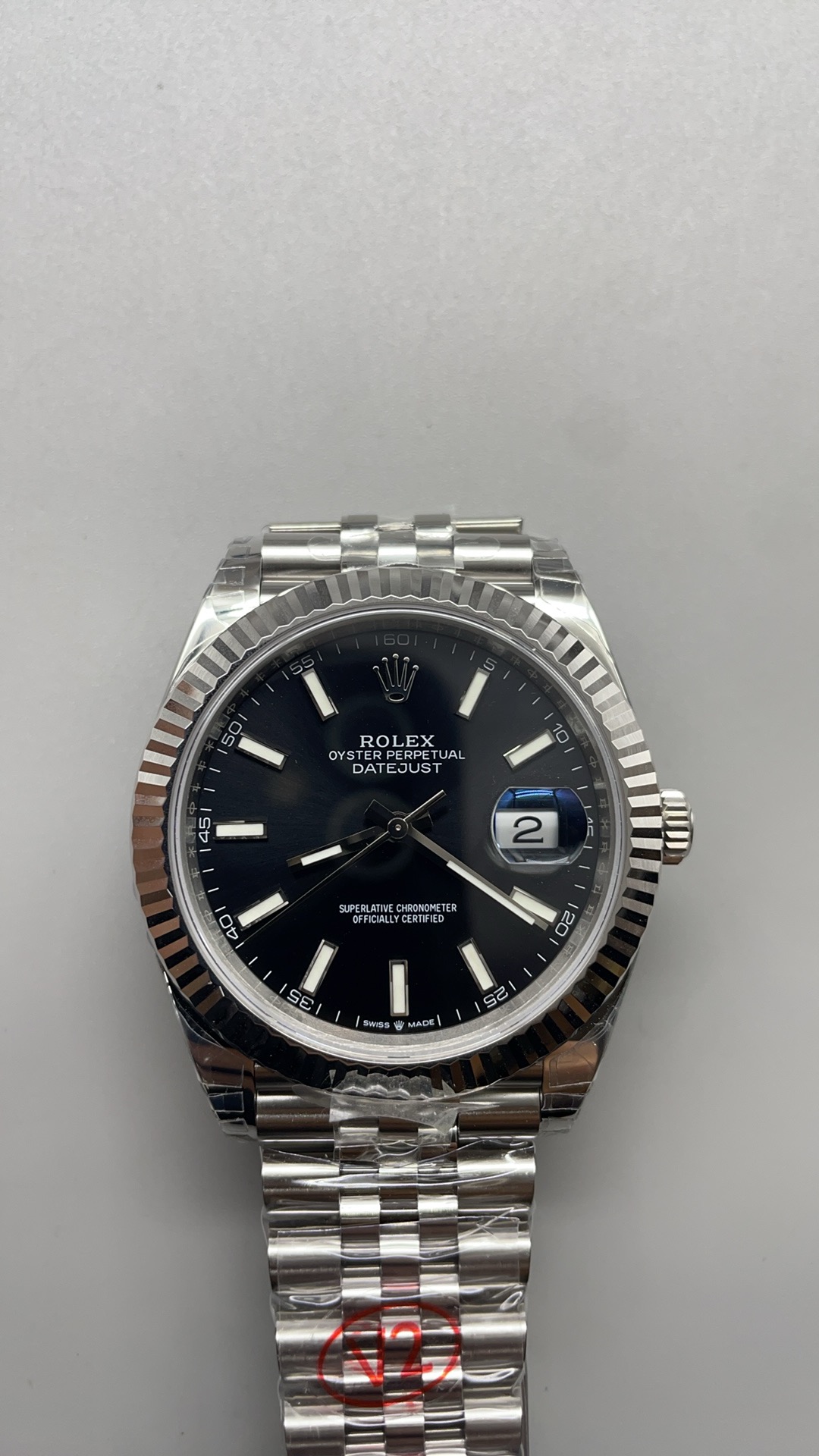
A professional examining caseback engravings and hallmarks verifies four things: that brand-specific text and medallions match the model, that engraving depth and alignment look production-made, that precious-metal stamps such as 750 or 950 match the metal actually used, and that any assay marks fit the claimed origin. These checks are physical, and they outrank any grade claim attached to a listing of AAA-grade replica watches.
What appears on casebacks, by brand
Most Rolex Oyster casebacks are plain, which is itself a check — a decorated caseback on a model documented as plain is a finding. The Sea-Dweller family carries engraved text around the caseback referring to the helium escape valve, a signature many copies attempt. Omega's Seamaster backs carry the hippocampus medallion, and many Speedmaster Professional models carry engraved wording referencing NASA qualification. Both conventions are cataloged on the Rolex and Omega brand pages. Cartier casebacks are typically engraved with the brand, the model line, and serial data in clean block lettering, and Tissot marks its backs with model and material information. A brand's absence of text is also data: a plain back on a model that should be engraved is a mismatch in the other direction.
Fineness marks and hallmarks at a glance
| Mark | Material | Where it is checked |
|---|---|---|
| 750 / 18K | 18k gold | Caseback, lugs, and clasp on gold models |
| 585 / 14K | 14k gold | Same locations |
| 950 / PT | Platinum | Caseback and clasp |
| 925 | Sterling silver | Historic and dress cases |
| Helvetia head | Swiss gold assay, historic | Accompanies fineness marks on Swiss gold |
| Lion passant, crown | UK sterling / gold, historic | Historic British-made cases |
These are the marks a professional knows by heart; the same reference data appears in the case materials comparison.
What the inspection looks for
Beyond matching the right mark to the right model, the examination checks depth and uniformity of the engraving, whether the mark is stamped or laser-etched in a way consistent with the era, and whether the mark and the metal agree. A case stamped 750 should test as 18k gold under a jeweler's electronic or acid test, and a steel case should not carry gold marks at all. Weight and color are read alongside the stamps: a 'gold' piece that feels like steel fails the physical test no matter what is engraved. The reverse mismatch — a genuine precious-metal case with a copied mark — is rarer but caught the same way, by testing the metal. Medallions get the same treatment: the Omega hippocampus is examined for crispness of detail and correct position, because worn or recut medallions are a common patch job on redialed or refinished backs.
How engraving method changes across eras
Older cases were often hand- or machine-engraved; modern production leans on laser marking, which leaves a flatter, more uniform footprint. Neither method is fake on its own — the test is whether the method fits the era of the claimed model. A 'vintage' piece with crisp laser text, or a modern piece with wobbly hand engraving, is an era mismatch, and era mismatches are what the inspection is built to catch.
Regional hallmark systems, briefly
Hallmarking conventions differ by origin. The United Kingdom has run a compulsory assay system for centuries, with office marks identifying where a piece was tested and the lion passant traditionally marking sterling silver. Switzerland has used fineness marks accompanied by assay marks, with the Helvetia head historically applied to 18k gold. The United States has no compulsory assay office system; karat marks are applied under the National Gold and Silver Stamping Act and enforced by the Federal Trade Commission. A professional reads a hallmark the way a numismatist reads a coin — mark, origin, and era have to fit together. Several other countries maintain official assay systems of their own, and many historically assayed pieces carry a combination of fineness, assay, and maker's marks that should all agree with the claimed origin. A British-style office mark on a piece claimed as never leaving Switzerland is the kind of contradiction that ends an authentication pass.
When the caseback is plain
Plain backs are normal for much of the Rolex Oyster range, and the check there is negative space: no text, no medallion, and no trace of removed engraving. Polish marks or ghosting where engraving once sat are themselves findings, because they suggest a back that has been refinished to hide something. A plain back is evidence only when it is genuinely plain.
How this fits a full authentication pass
Caseback and hallmark checks are one station in a longer examination, not a standalone verdict. A caseback can be perfect while the movement is wrong, which is why the full sequence — case, dial, movement, documents — is what counts. That sequence is laid out in how to identify counterfeit watches.
Frequently asked questions
Do steel Rolex watches carry hallmarks?
No. Steel models do not carry precious-metal marks. Gold, platinum, and two-tone pieces carry fineness stamps such as 750 or 950.
What does 750 on a clasp mean?
18k gold — 75 percent gold by weight. The mark should be accompanied by appropriate assay marks and should match the metal under testing.
Are laser engravings automatically a sign of a copy?
No. Genuine manufacturers use laser etching on some components. The question is whether the method, font, and depth match the model and era.
Can caseback medallions be checked without opening the watch?
Yes. Engravings, hallmarks, and medallions are external. Movement verification is the part that requires opening the case.
Questo contenuto è a scopo di educazione orologiera generale. Non verifica alcun singolo prodotto né garantisce l'autenticità, e non è affiliato a marchi o fabbriche di terzi.