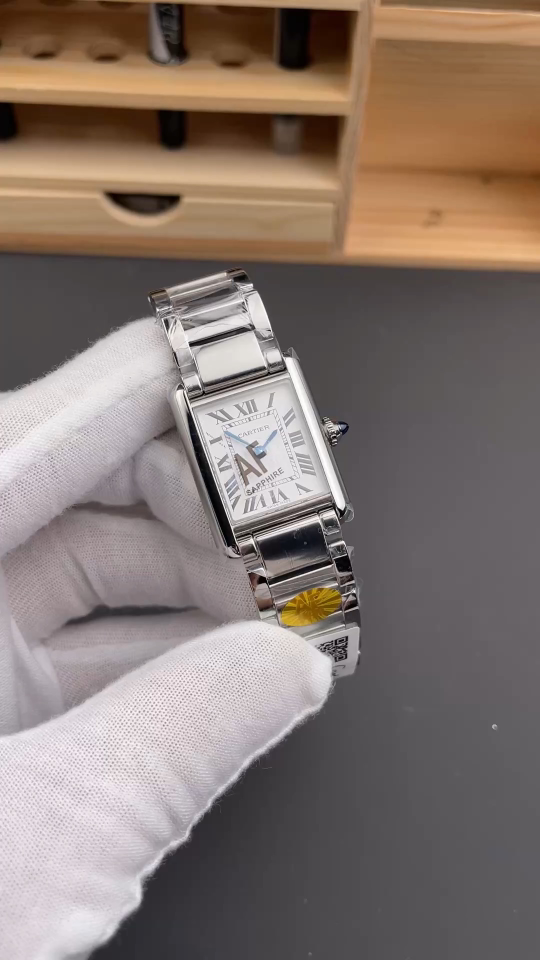
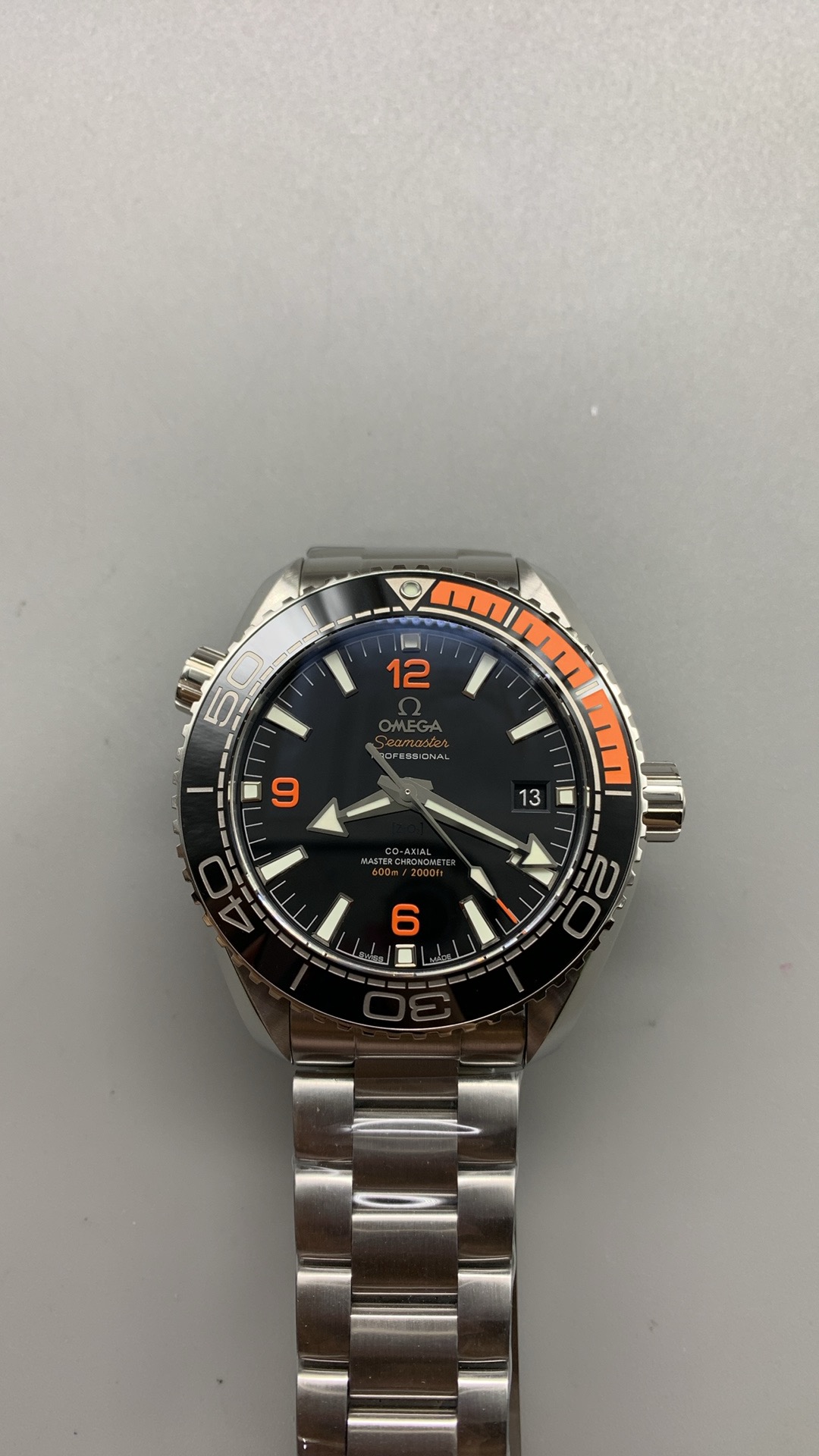
A 300 m engraving on a watch sold as AAA-grade is printing, not a rating. Water resistance is a property of seals — the crown, caseback, and crystal gaskets — and it is verified by pressure-testing one specific watch, not by the text on its caseback or the promises in a listing. Until that test happens, the safe assumption for any unverified watch is splash-only, and this guide sorts the risk by what you plan to do with it.
What the meter ratings mean
Depth ratings describe static laboratory pressure, not real diving. A watch marked 30 m tolerates splashes and rain; 50 m handles brief immersion such as handwashing; 100 m is the conventional line for swimming and snorkeling; 200 m and up, with a diver's construction, is the traditional scuba territory. Two standards formalize this — ISO 22810 for water-resistant watches and ISO 6425 for divers' watches, which adds requirements like unidirectional bezels and overpressure testing. The full breakdown is in the water resistance guide.
What sealing actually involves
A case is only as dry as its gaskets. Screw-down crowns compress a seal when locked, which is why genuine dive watches use them; push-pull crowns rely on a single gasket and belong on dress watches. Caseback and crystal gaskets age, dry out, and flatten, and a rating degrades with every year since the last service — genuine dive watches are pressure-tested at service intervals for exactly this reason. A watch with a claimed 300 m rating and a push-pull crown contradicts itself before any water gets involved.
The risk ladder
- Unverified watch: washing hands and light rain, nothing more. The marking on the caseback has never been tested, whatever it says.
- Watchmaker pressure-tested: the test certifies that watch, that day, within the tested range. Trust it for swimming inside that range, and re-test after every service.
- Manufacturer-rated diver maintained on schedule: the top tier — built to the standard, tested at production, and serviceable back to it.
Most AAA-grade listings land in tier one regardless of what the caseback says, because the engraving is the only part of the rating they possess.
Listing language that should stop you
Three phrases deserve automatic skepticism. Tested to 300 m, with no mention of who, how, or when; waterproof, a word the industry retired in favor of water resistant because no watch is unconditionally waterproof; and any rating higher than the case design supports. Sellers photograph the caseback engraving rather than any test result for a reason — the engraving exists, and the test does not.
A rating is a snapshot, not a guarantee
Even genuine dive watches leak when seals are old, crowns are left unscrewed, or a crystal has been replaced with a non-factory part. Ratings describe capability at the time of testing. That is the honest way to read any depth claim, and it applies equally to an ISO 6425-certified diver and to the 300 m text on an unverified caseback.
Why 300 m does not mean 300 meters
The number comes from a pressure chamber, not the ocean. A diver at 30 meters moves, and moving water raises pressure at the seals beyond the static figure; temperature changes, crown position, and gasket age all move the real-world limit lower. That is why practical guidance sits well below the printed depth — and why an untested watch, whatever it claims, belongs nowhere near the water.
What a genuine dive rating actually includes
A real 300 m dive watch is a package, not an engraving: a screw-down crown and caseback, gaskets sized for their grooves, a crystal bedded and pressure-tested, and a build standard the manufacturer stands behind. When an unauthorized watch copies the dial text but omits the crown threads, the gasket seats, and the test itself, it has copied the label of a rating without any of the machinery. The comparison is easy to feel: unscrew a genuine dive crown and you feel threads and a firm compression seal; a push-pull crown on a so-called 300 m watch tells you the rest before you ever touch water.
Before the watch goes near water
If the watch matters to you, book a pressure test at a local watchmaker before it meets a pool. It costs little and takes minutes. Keep crowns screwed down, avoid hot water and steam — heat expands metal and stresses seals — and have gaskets replaced on the service schedule. The mechanical care checklist covers the maintenance side, and the diver versus chronograph comparison explains the build differences behind genuine dive ratings. On the Omega and Rolex pages you can see what a real 300 m dive watch specification includes.
Frequently asked questions
Can I swim with a watch marked 50 m?
Fifty meters tolerates brief immersion such as handwashing. Swimming calls for 100 m as a practical minimum, and only after the watch has been pressure-tested.
Is hot water bad for a watch?
Yes. Heat expands metal and stresses gaskets, and steam defeats seals entirely — keep mechanical watches out of showers and saunas.
How often should a dive watch be pressure-tested?
At least when it is serviced, every few years, and before any trip that involves real water time.
Does a screw-down crown guarantee water resistance?
It is necessary for high ratings but not sufficient. The condition of the crown, caseback, and crystal gaskets decides whether water stays out.
What does the 300 m mark on a replica caseback mean?
It reproduces the text of a genuine dive watch, nothing more. A rating exists only after a specific watch passes a pressure test.
Ce contenu est destiné à l'éducation horlogère générale. Il ne vérifie aucun produit individuel, ne garantit pas l'authenticité et n'est affilié à aucune marque ou usine tierce.