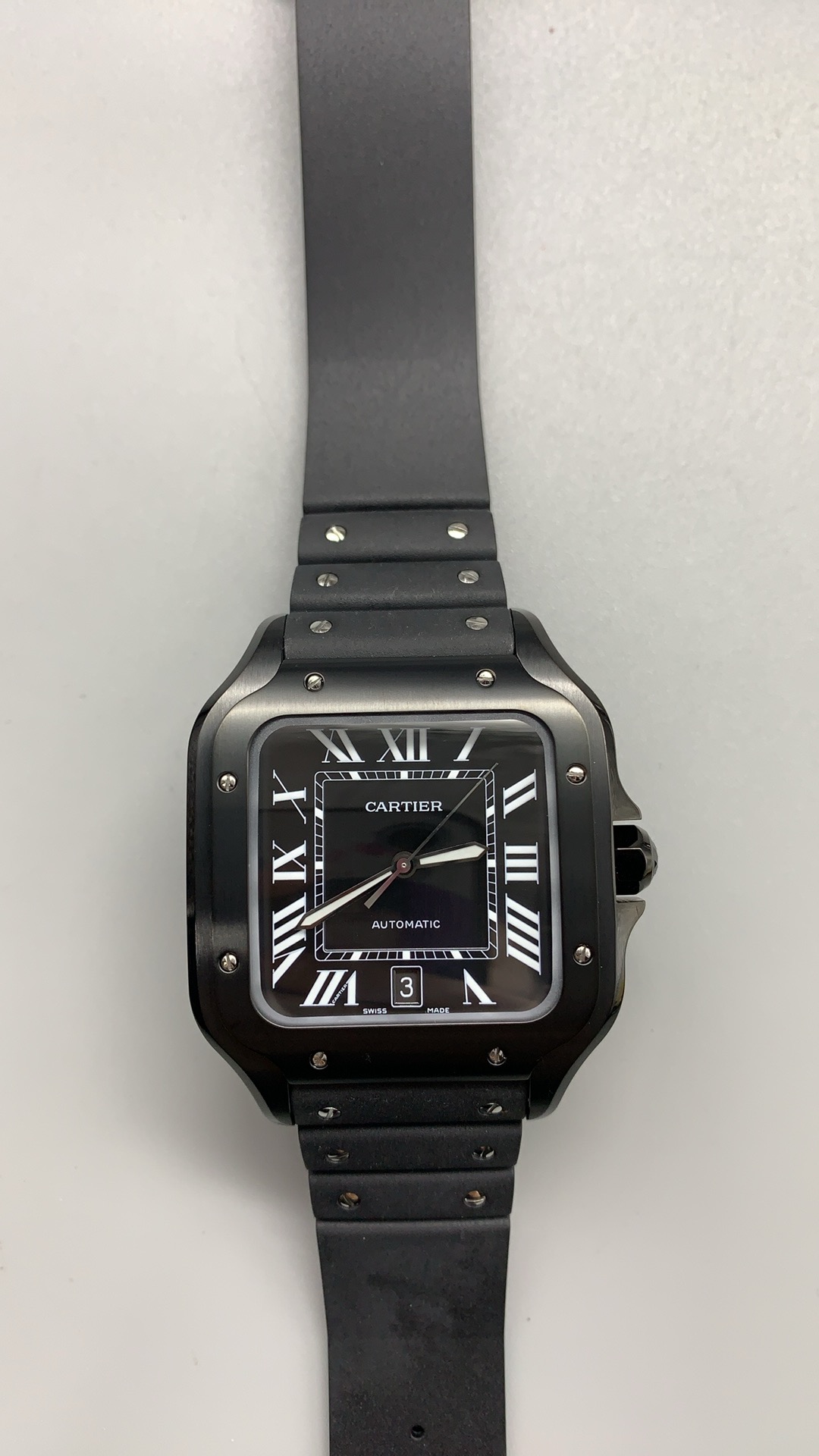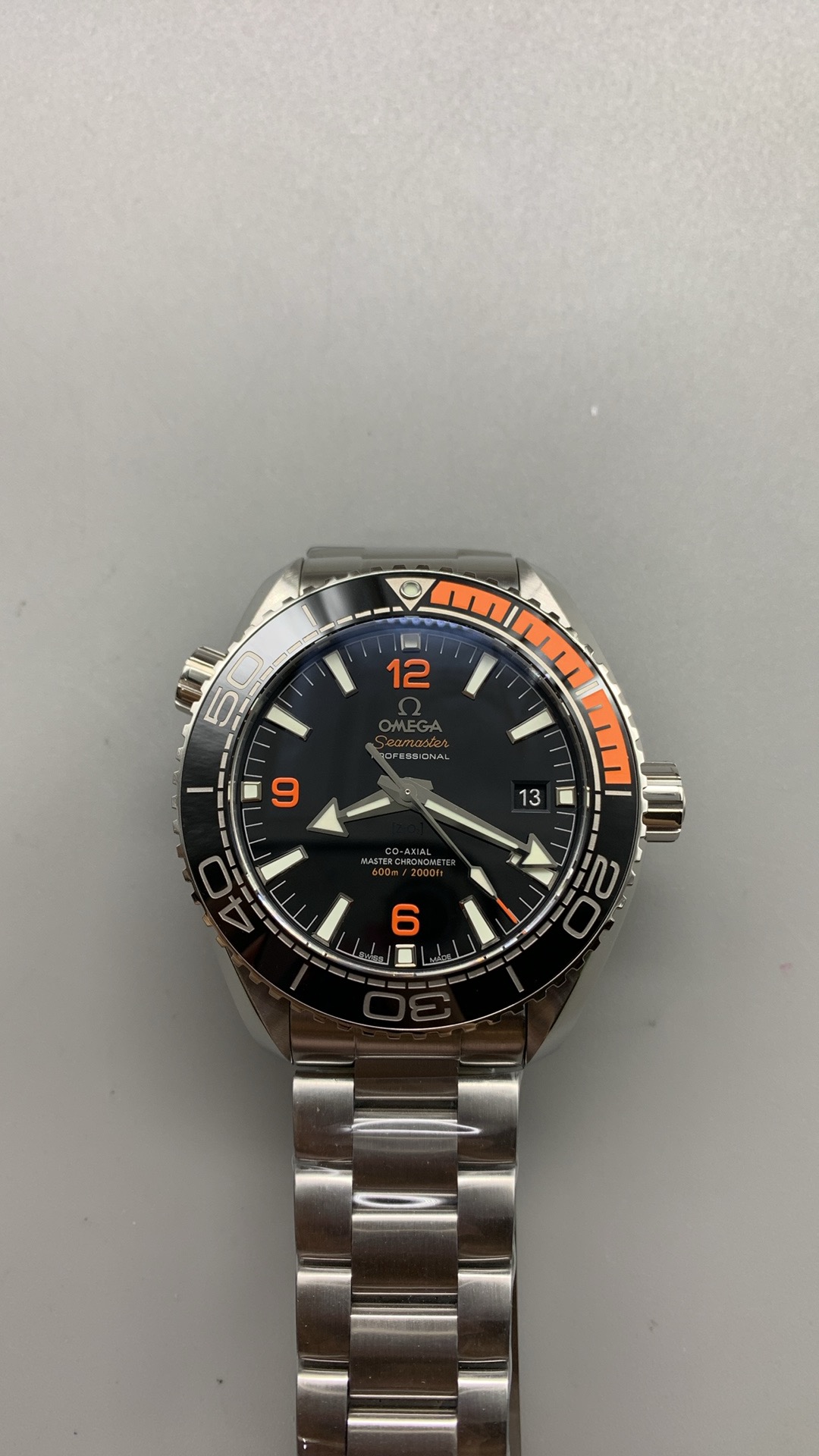
Yes. Any watchmaker with a pressure tester can check the water resistance of a watch labeled VS factory; dry and wet testing are routine bench jobs. What the test cannot do is redeem the engraving. A depth rating printed on a non-genuine dial is text, not a certification, and the VS factory name is an unofficial seller label with no one behind it. A pressure test describes one specific watch, with its current gaskets, on the day it was tested.
How the two standard tests work
In a dry test, the watch goes into a sealed chamber pressurized with air, and a sensor measures how much the case deforms and recovers. It is quick, and nothing gets wet. In a wet test, the pressurized watch is lowered into water and the pressure is released; a stream of bubbles pinpoints the leak. Most shops run the dry test first and follow with a wet test when the claimed rating is high enough to matter. Both answer the same question: do the seals hold at a given pressure, right now? A fuller explanation of what the numbers mean is in our guide to watch water resistance.
Your questions, answered
Does the engraved rating mean anything?
On any watch, a rating like "300 m" describes what the case passed when new, with fresh gaskets, under controlled conditions. On a non-genuine watch there is no factory behind the engraving, so the number is an aspiration until a tester confirms it. The practical question most owners actually need answered — safe for swimming, or not — is testable at almost any shop.
What about bar, ATM, and meters?
Listings rotate freely among the three: 10 bar, 10 ATM, and 100 m all describe the same laboratory pressure, and none of them promises you can dive to that depth. Ratings are measured in static conditions; swimming and diving add dynamic pressure against the seals, which is why the honest rule is to keep real-world use well inside the number. Sellers know the units are interchangeable, and they use the one that sounds largest.
Can they test a 300 m claim?
Typical shop testers cover the 3 to 10 bar range, the zone where swimming and shallow water live. Full 30 bar testing needs specialized equipment found at brand service centers and a few independents. For a non-genuine watch, the realistic approach is to test at the depth you intend to use it, not the depth on the dial.
Do the gaskets get checked?
Yes. Crown, tube, caseback, and crystal gaskets are the four sealing points, and a watchmaker inspects them as part of a pressure test. Hardened, pinched, or perished rubber is the usual failure point, and replacing gaskets is standard bench work — the one repair that most directly changes a watch's water story.
Can a pass predict the future?
No. Seals age, crowns wear, and one pass is a snapshot. If the watch has been opened, if a gasket was replaced, or if it takes a hard knock, the previous result no longer describes the watch.
What a pass means for a "VS factory" watch
A passed test means this individual watch held its seals at the tested pressure. It says nothing about the label, the seller's story, or the next watch from the same listing. Labels like VS, Clean, and Noob are forum terminology, not quality tiers — no tester can grade them, because there is no registry behind them.
When to run the test
Before first contact with water, after any case opening, after a crown replacement, and any time fog has appeared inside the crystal. If the watch is a dive-style model, the habit is worth keeping even when it passes, and it helps to understand how a dive watch's claims differ from a chronograph's — the depth on the dial carries obligations the styling alone does not. The practical questions buyers ask most are in the FAQ.
The honest summary
Water resistance is the most testable claim a non-genuine watch makes: it takes minutes, costs little, and returns a factual answer. It is also the claim with the highest practical stakes, since water damage ends a movement. Test the watch you own, at the pressure you intend, and treat everything else in the listing as unverified.
Frequently asked questions
What is the difference between a dry and a wet pressure test?
A dry test pressurizes the case with air and measures deformation, without water. A wet test pressurizes the watch and submerges it, so escaping bubbles reveal the exact leak point. Shops often run both.
How much does a pressure test cost?
It varies by shop and by depth, but a routine 3 to 10 bar test is an inexpensive bench job at most independents, and many include it when you buy other service.
Should the crown be screwed down during the test?
Yes. The test measures the watch in wearing condition, and a crown left unscrewed during testing produces a false result that tells you nothing about the seals.
How often should a watch be retested?
Once a year if it goes in water regularly, after any case opening or gasket replacement, and immediately after any impact that could have disturbed a seal.
Ce contenu est destiné à l'éducation horlogère générale. Il ne vérifie aucun produit individuel, ne garantit pas l'authenticité et n'est affilié à aucune marque ou usine tierce.