
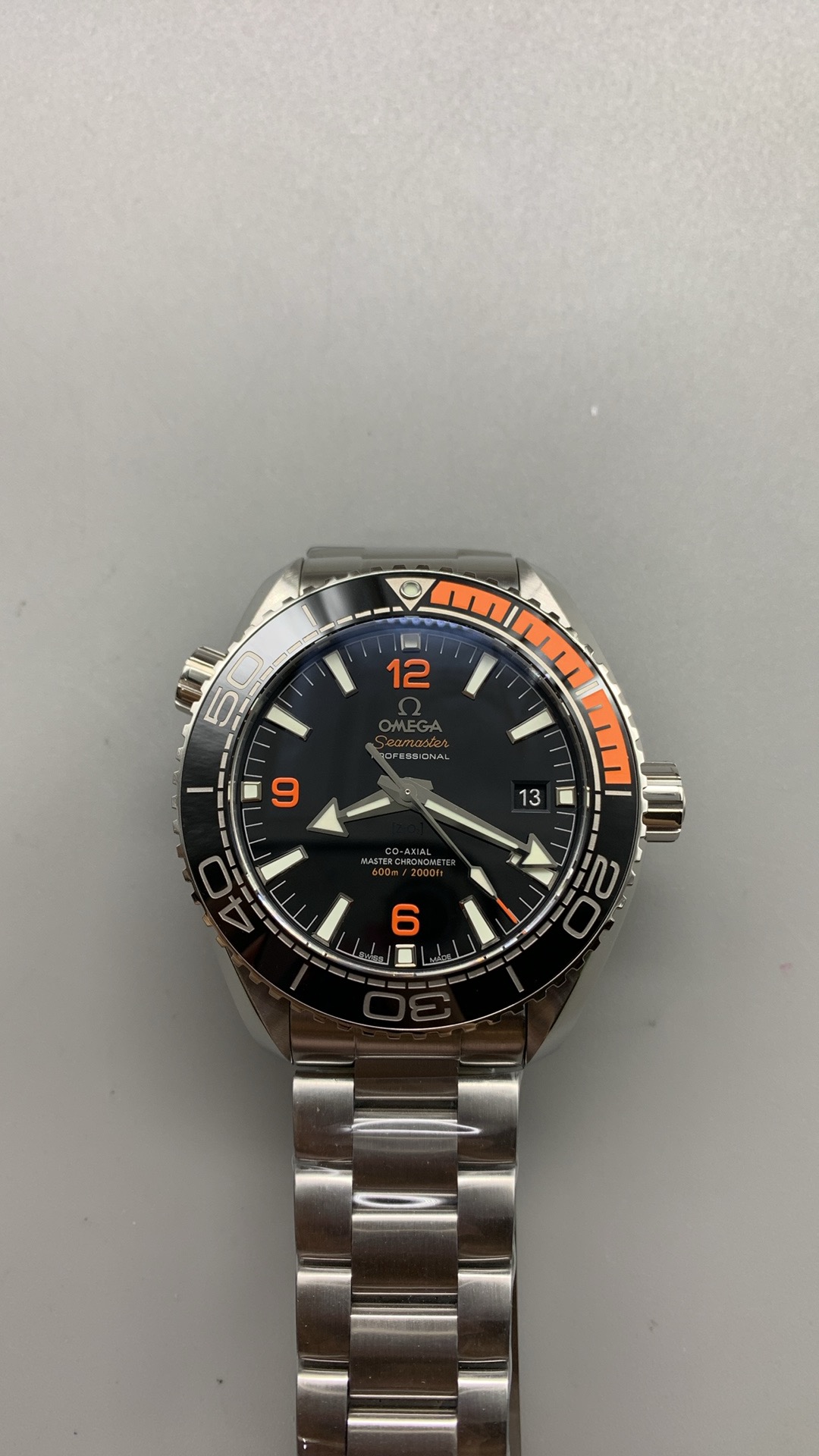
Reporting works best as a documented, fact-based process. Save the evidence, report the listing to the platform using its own counterfeit category, and notify the brand. Platforms review reports against their published policies, and a concrete, accurate report — naming the model, the asking price, and the visible claims — is far more useful than a general accusation. The steps below are the standard routine.
Before you report: capture the evidence
A report that survives the seller's deletion of the listing is one you can re-submit. Capture:
- The full listing URL and the seller's account name.
- Screenshots of the title, description, and every photograph.
- The asking price and any claims about authenticity, grade, or factory.
- The date you saw the listing.
This record matters because listings disappear, and because platforms and brands both ask for specifics rather than impressions.
The step-by-step routine
- Save everything first. Screenshots, URL, seller name, price, and the date.
- Check the platform's own policy page. Marketplaces publish rules on counterfeit and trademark items; the report form mirrors those rules, and matching your report to the right category helps it get handled.
- Use the report link on the listing. Most platforms put a "report item" option on each listing page. Choose the category closest to the facts — counterfeit, trademark, or prohibited item — and describe what you can see, not what you suspect.
- Notify the brand. Brands run brand-protection programs and accept reports through their official websites — a contact form or a dedicated brand-protection address, not forum-posted emails. Include the listing link and your screenshots; the brand's interest is the unauthorized use of its own marks.
- For imports, consider the customs channel. In the United States, US Customs and Border Protection accepts tips about counterfeit imports through its e-Allegations online form, which asks for factual details about the listing or shipment.
- Keep your own copy of the report. Confirmation messages and case numbers are your record if anyone asks later.
What to write in the report
The useful report is specific and calm. State the brand name shown on the dial, the model it imitates, the asking price, and the exact claims the seller makes — for example, "listed as authentic Rolex Submariner, $9,800, claims complete with papers." Avoid opinions about the seller's character and claims you cannot verify from the listing itself. The platform is deciding a policy question, not a legal one, and visible facts are what the form is built for.
One more detail helps: match the category. If the platform offers "counterfeit item" and "copyright," choose counterfeit and describe the trademarked dial; if it asks for supporting links, provide the listing URL again. Reports that fit the form are processed faster than reports that argue with it.
What not to do
- Do not message the seller to argue, negotiate, or "investigate." A report does not require contact.
- Do not buy the watch to prove the case. Purchase creates your own money problem without strengthening the report.
- Do not post the seller's personal information anywhere. The listing's public details are enough.
- Do not resubmit the same report daily. One accurate report with complete evidence is stronger than repeated noise.
Who handles what
The division of labor is roughly this: the platform polices its own marketplace under its own rules; the brand enforces its trademarks through its brand-protection and legal teams; customs enforces import law at the border. The three channels overlap but answer to different rules, and filing with more than one is fine as long as each report is accurate on its own. None of the three gives the reporter updates as a matter of course — reports are inputs, not cases you control.
What happens after a report
Platforms review reports on their own schedule, and the outcome — removal, refusal, or a request for more detail — depends on the platform's policies and the quality of the evidence. A report is not a guaranteed removal, and brands act on the cases they can pursue. What the process does reliably is put the listing in front of the people whose job it is to judge it. If you want to sharpen the eye that spots these listings in the first place, start with how to identify counterfeit watches, then check the BV factory terminology page and the FAQ for the reporting questions that come up most often.
Frequently asked questions
Does reporting guarantee the listing comes down?
No. Platforms review each report against their policies and act on their own schedule; there is no guaranteed outcome.
Should I also tell the brand?
Yes — brands run brand-protection programs and accept reports through their official websites. Include the listing link and clear photos.
Can I report without contacting the seller?
Yes. Most platforms let you report directly from the listing page without any message to the seller, and a report does not require identifying yourself.
Is there a US government channel for imported counterfeits?
US Customs and Border Protection accepts tips about counterfeit imports through its e-Allegations online form, which asks for factual details about the listing or shipment.
Ce contenu est destiné à l'éducation horlogère générale. Il ne vérifie aucun produit individuel, ne garantit pas l'authenticité et n'est affilié à aucune marque ou usine tierce.