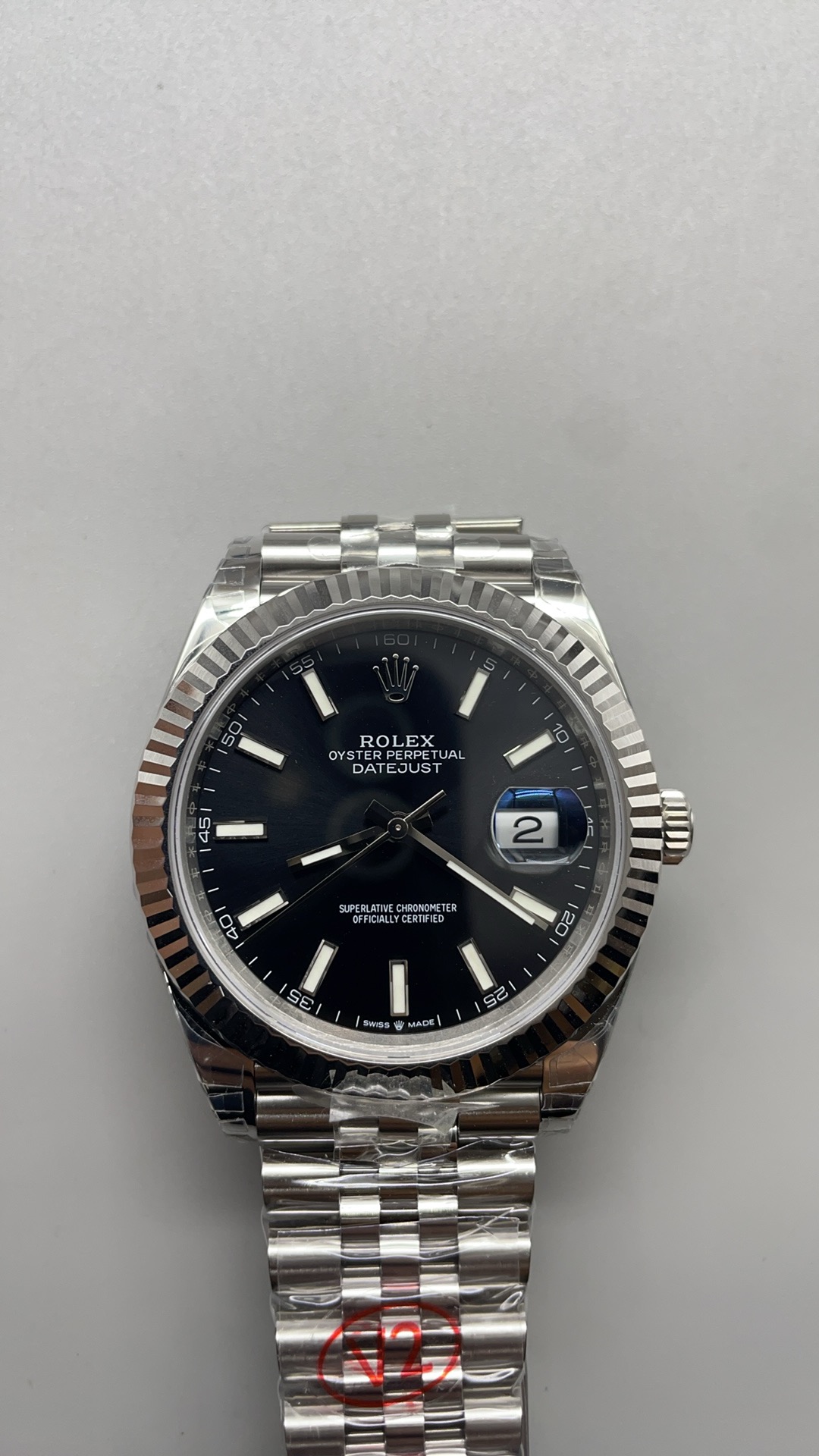
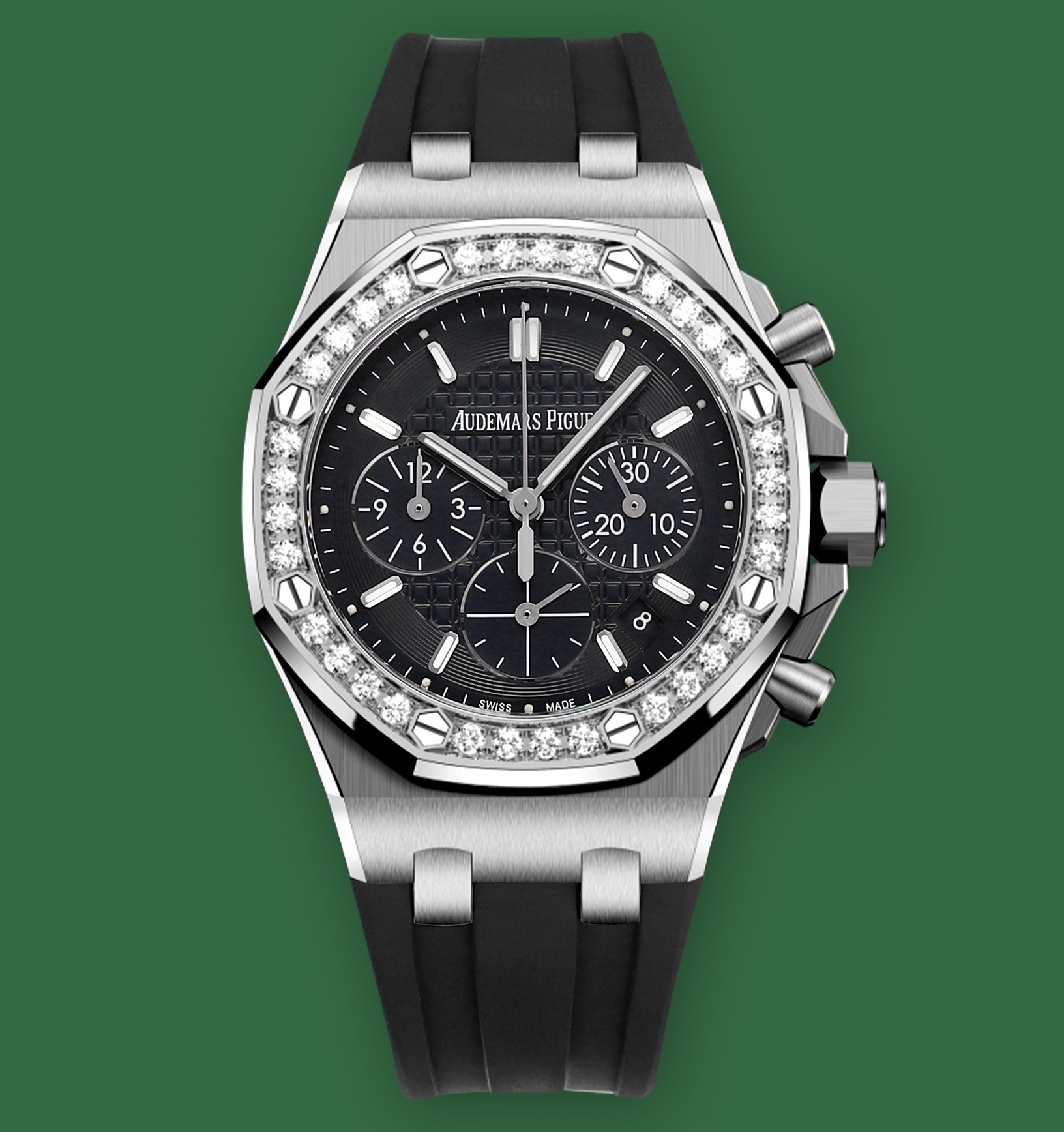
Here is the blunt answer: no “AAA-grade” label changes the service situation for a non-genuine movement. Authorized service centers service only authentic calibers, replacement parts for cloned in-house designs have no open supply channel, and the watchmaker who opens the case may find a movement no parts list covers. Inspect early — on arrival, before paying for any “serviced” claim, and whenever accuracy shifts.
The Service Landscape, Stated Plainly
Non-genuine movements in these watches fall into two broad families. The first is clones of workhorse ETA-style calibers — designs built on the widely copied pattern of movements such as the ETA 2824-2. This is the easier case: many components are interchangeable with standard parts that watch supply houses stock, and most watchmakers can regulate or repair them. The second family is decorated copies of in-house calibers. Here the bridges, rotors, and screws may be unique to the copy, and no catalog exists to order from. Repairs depend on donor movements from the same source, which no authorized channel provides.
Independent watchmakers decide case by case, and many decline watches with counterfeit branding outright. What that means for you is simple: serviceability is not a label, it is a question about the specific caliber — and the answer is only knowable with the case open. Our movement comparison explains what separates these designs in the first place.
Age matters too. The same clone at three months and at three years is a different service proposition; early inspections catch the failures that surface in the first weeks, which is when most problems with these movements appear.
When an Inspection Matters Most
- On arrival. A timing check shows whether the movement is healthy before you accept the watch. Amplitude below the mid-200s at full wind, or erratic rate, is a reason to walk away or negotiate.
- Before paying for a seller's “serviced” claim. Ask what was done and ask for the work record. A service on a movement with no parts channel often means oiling at most — and the claim itself is unverifiable.
- When accuracy degrades. A clone that drifts minutes per day may only need regulation, or it may be wearing out. The distinction is exactly what an inspection establishes.
- Before a long trip. A failure at home is an inconvenience; a failure abroad is a stranded purchase. One bench visit ahead of travel answers the question cheaply.
A Decision Guide for Service
| Situation | Typical reality | Move that makes sense |
|---|---|---|
| Clone of a common ETA-style caliber | Standard parts are widely available; most watchmakers can regulate or repair | Inspect on arrival; service when symptoms appear |
| Decorated clone of an in-house caliber | No parts channel; repair depends on donor movements | Inspect before purchase; budget as disposable |
| Unknown movement, sealed case back | Nothing verifiable without opening the case | Buy only at a cost you can walk away from |
| Seller claims it was serviced | No record exists to verify the claim | Ask for the invoice; otherwise treat as unserviced |
The table is a decision aid, not a guarantee: every copy differs, and only a bench inspection resolves the specifics. Community shorthand for production sources — the “VS” and “Clean” nicknames covered in our VS factory terminology guide and Clean factory terminology guide — describes sourcing, not serviceability.
One further distinction helps at the bench: a movement that is merely dirty responds to cleaning, while one that has run without lubrication for months responds to nothing. The timegrapher reading separates the two before money is spent.
Questions to Ask Before Paying for Any Service
- Which caliber is inside, and which design is it cloned from?
- Can you show me the amplitude and beat error readings?
- If a part fails, is there a parts source for this movement?
- Is the quote fixed, or is it a diagnostic fee with repairs billed separately?
- Do you service watches with non-authentic branding at all?
The last question saves everyone time — the honest answer from many shops is no. If a watch cannot be serviced by anyone, its useful life is the life of its movement, and no FAQ answer or listing adjective changes that. The lower purchase price of an unauthorized watch is partly a prepaid discount on exactly this risk. Routine care still matters for whatever movement it carries, and our mechanical watch care checklist applies to clones the same way it applies to anything mechanical.
Frequently asked questions
Will an authorized Rolex or Omega center service a replica?
No. Authorized centers service authentic watches and decline pieces with non-authentic parts or branding.
Can a cloned ETA movement be repaired with genuine ETA parts?
Often yes for standard components such as wheels and springs, but interchangeability is not guaranteed — a watchmaker has to check the specific movement.
Does a higher grade label mean easier servicing?
No. Tier labels are marketing; what matters for servicing is which caliber design the copy is based on.
What if the watch stops inside the seller's warranty period?
A seller's warranty is not a brand warranty. Repair depends entirely on the seller's willingness to honor it, which cannot be verified in advance.
Ce contenu est destiné à l'éducation horlogère générale. Il ne vérifie aucun produit individuel, ne garantit pas l'authenticité et n'est affilié à aucune marque ou usine tierce.