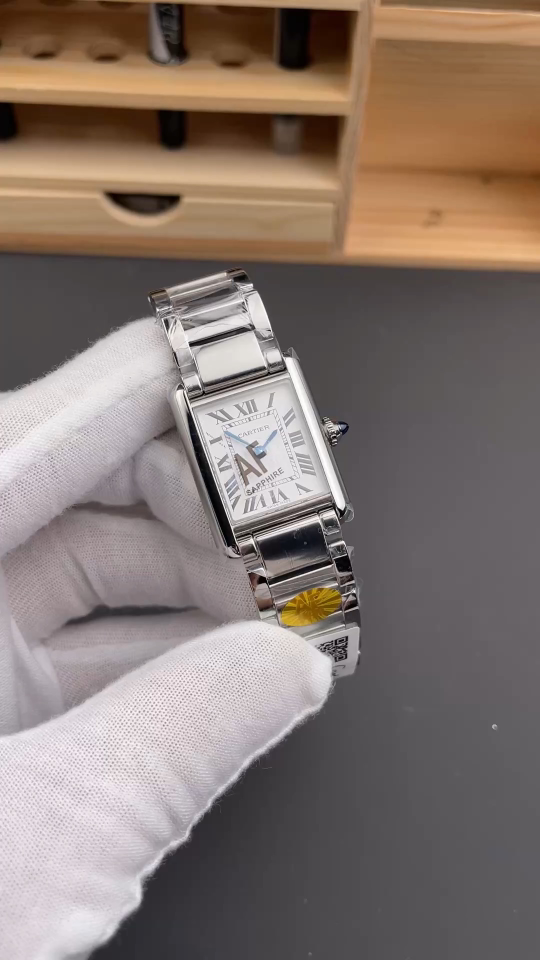
Genuine brands publish water-resistance ratings that their watches are built and tested to meet. A "BV factory" listing that promises 100 m or 300 m offers a number with no published test behind it. The short answer: no, the water-resistance and sealing claims in these listings cannot be verified, and until a pressure test says otherwise, the watch should be treated as unrated. The questions below walk through what a real rating means and what the listing language actually covers.
Q: What does a brand's water-resistance rating actually mean?
For most Swiss brands the rating follows ISO 22810, the standard for water-resistant watches. A rating is a static-pressure laboratory result: the watch must withstand a specified overpressure without water entering the case, and the number in meters is not a diving instruction. A 30 m watch is splash-tolerant; 50 m suits surface swimming; 100 m covers swimming and snorkeling; 200 m and above is the customary minimum for scuba diving. Omega publishes 300 m for the Seamaster Diver 300M and 150 m for the Aqua Terra, and Rolex rates the Submariner at 300 m. Those numbers describe testing, construction and gasket design working together, and the brand stands behind them with a warranty. Dive watches also carry supporting construction details, such as screw-down crowns and thicker casebacks, that exist to protect the seals.
Q: What do sealing claims in factory listings usually say?
Typical listing language includes "new gaskets," "triple-sealed crown," "screw-down caseback," "pressure tested to 100 m" and "can be worn swimming." These phrases describe the seller's account of construction, and none of them is a measurement you can see. Gasket condition is internal; a crown's thread and tube fit cannot be judged from photos; and a "pressure tested" line refers to a test that, if it happened at all, was neither documented nor shared with you. The same wording also appears across entirely different listings, which is one reason it cannot be taken as specific to the watch in front of you. The phrase costs the seller nothing and commits the seller to nothing.
Q: Can photos show whether the gaskets are new?
No. Gaskets sit in the caseback, crown tube and crystal seat, out of sight. Photos can show whether the crown is a screw-down style and whether the caseback looks fitted, and nothing more. A watch with perfect-looking caseback screws can still have dry, cracked or pinched gaskets that let water through the first time it meets a sink. Even opened-case photos, when they exist, show the movement and rotor rather than the gasket seats.
Q: How should you treat an unverified rating?
- Treat the watch as unrated until it passes a pressure test at a watchmaker's bench.
- Keep the crown pushed in and, on screw-down models, screwed down before any water contact.
- Test before swimming, not after, and re-test annually if the watch is worn in water regularly.
- Keep hot water, saunas and steam away from an untested watch; heat defeats seals faster than cool water.
Q: What does a pressure test actually involve?
A watchmaker runs a dry test in a pressure chamber that measures how much the case deforms under pressure, and often a wet test afterward to watch for escaping bubbles. The bench time is minutes and the fee is modest. A passing result applies to that watch on that day; gaskets age with time and temperature, so the test is a snapshot rather than a permanent guarantee.
Q: What do genuine brands do that listings cannot?
Brands control the whole chain. Omega's Seamaster divers carry a helium escape valve, a construction detail that exists for saturation diving, and the crown, caseback and crystal are assembled with specified gaskets and tested against the rating before shipping. A factory label has no equivalent chain, no warranty network and no one who answers when the watch floods. Genuine brands also print the rating on the dial itself, where it becomes a claim the company is willing to own. That is the difference between a rating and a claim.
For the full scale of what each rating allows, read our water-resistance explainer. The BV factory terminology page covers how the label is used in listings, and our mechanical watch care checklist includes the gasket and crown habits that protect any watch. To see how a genuine brand documents a 300 m diver, look at the Omega brand guide.
Frequently asked questions
Does "pressure tested" in a listing mean anything?
It is a seller statement with no shared documentation. The only test that counts is one performed on your watch by a watchmaker, with results you receive.
Is 30 m water resistance enough for swimming?
No. Under ISO 22810, 30 m covers splashes and hand washing; swimming is generally considered safe from 50 m or, more conservatively, 100 m.
Why does hot water matter?
Heat makes metal and gaskets expand at different rates and steam penetrates seals more readily, so hot showers and saunas defeat seals faster than cool water.
How often should gaskets be replaced?
A common rule is to replace gaskets at each service, roughly every five years, and to pressure test annually if the watch is regularly worn in water.
Ce contenu est destiné à l'éducation horlogère générale. Il ne vérifie aucun produit individuel, ne garantit pas l'authenticité et n'est affilié à aucune marque ou usine tierce.