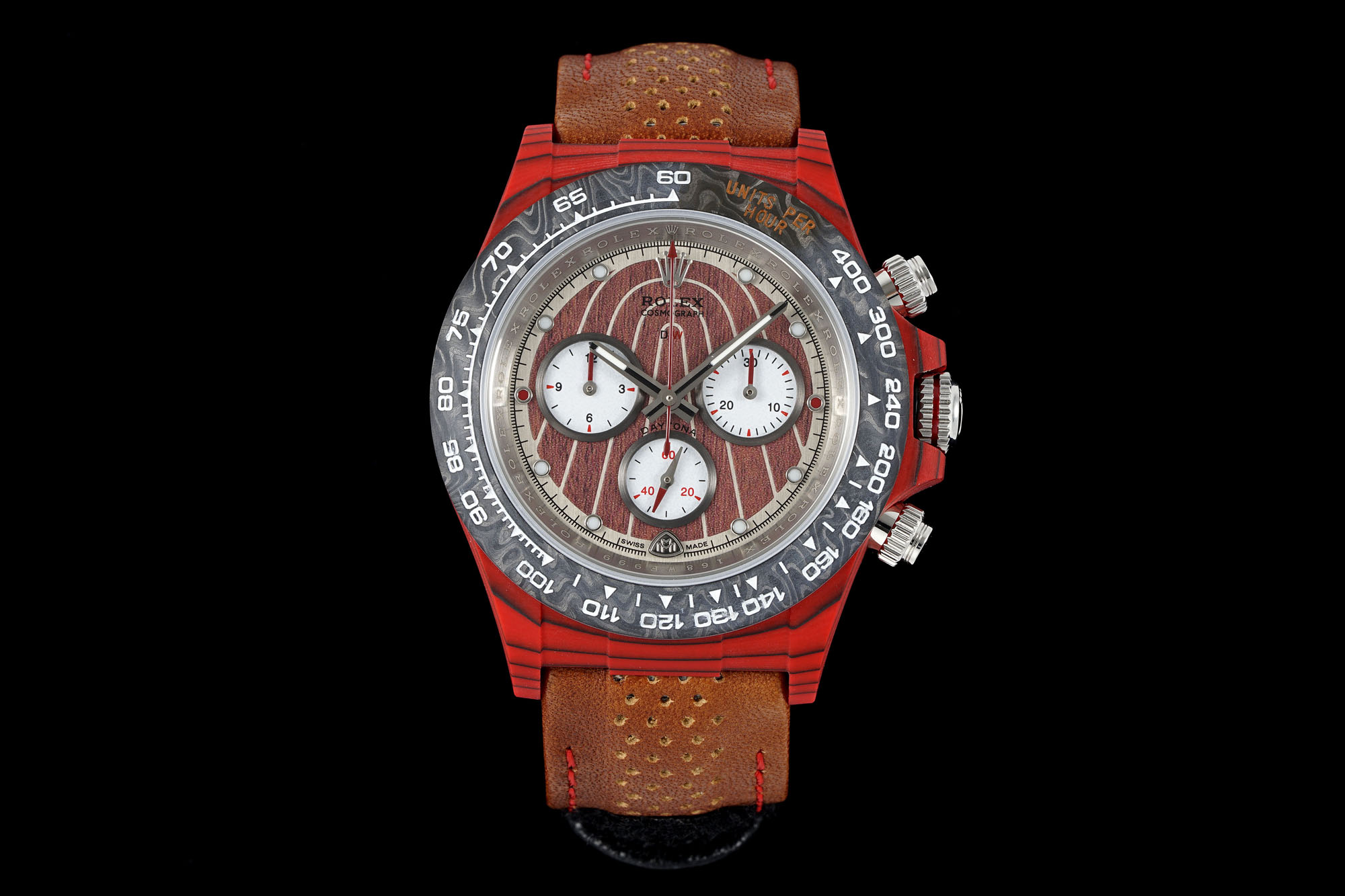
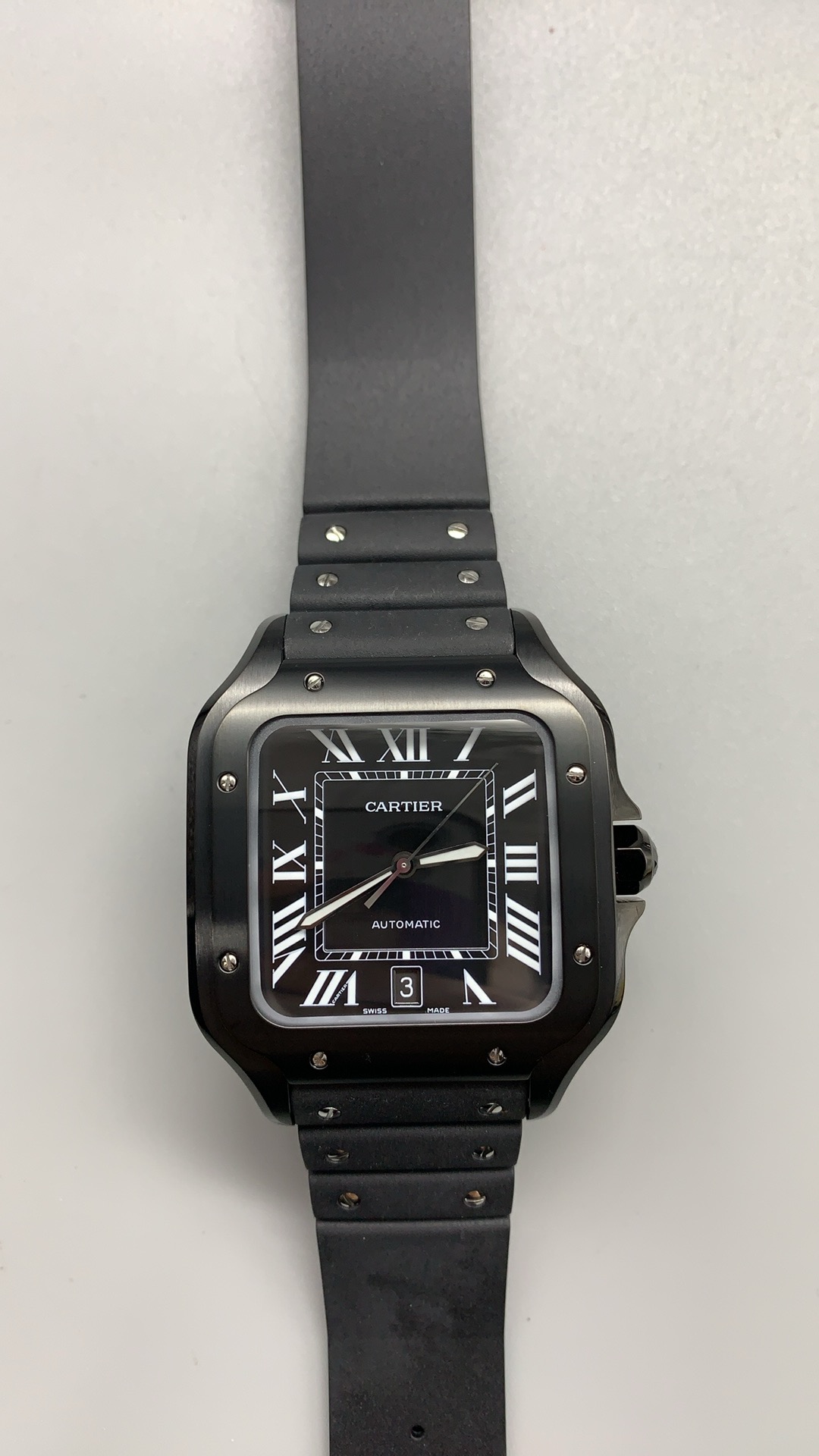
The terminology around 'VS factory' keeps changing because the label was never fixed by an official source. It is an informal nickname, and every event that touches it — enforcement actions, relabeling by sellers, translation between Chinese and English forums, and plain copy-and-paste drift — rewrites how the term is used. Each forum community records a different moment in that history, which is why the explanations you find never match.
How an informal label drifts
The term exists in several forms at once: 'VS factory,' the abbreviation VSF, a bare 'VS,' and VS厂 in Chinese contexts. None of these is more official than another. Abbreviations get invented independently by different communities, sellers borrow whichever form is trending in their market, and the forms gradually detach from each other, so two threads can use 'VS' and mean different things. The factory terminology explainer describes how this vocabulary operates across the hobby. The same looseness applies to the word 'factory' itself, which in this context means a production workshop of unknown size and location, not a registered manufacturer — another reason the term slides around so easily.
Events that changed the term
Reconstructed from forum threads, the label's history runs through a series of shifts, and each community recorded the shift it happened to witness. Reading them in order explains most of the disagreements:
- Early usage. The label appears in seller listings as a quality marker, and forums adopt it as shorthand for a specific maker of unauthorized copies.
- Association with models. As forum reviews praised Submariner and Seamaster copies attributed to the label, 'VS' became shorthand for those specific products rather than a neutral maker name.
- Enforcement actions. The 2021 crackdowns on counterfeit watch production were reported in mainstream press. Forums then debated whether the label was finished, whether remaining stock was relabeled under other names, and whether later 'VS' listings came from the same production. No records exist to settle any of it.
- Return and reuse. Listings carrying the label continued to appear, and its meaning shifted again — from a maker name toward a quality promise sellers attach to whatever they have in stock.
Each step changed what the letters pointed at, and no step was announced or documented, so communities froze the meaning they happened to know best. A buyer who learned the term in step two means something different by it than a seller operating in step four, and the two can argue past each other indefinitely without either being wrong about what their own community taught them.
Why different communities record different versions
Chinese-language communities, where the label originated, international forums such as RWI and RepGeek, and Reddit's r/RepTime each maintain separate thread histories. They translate terms differently, they were active at different points in the label's life, and their older threads get deleted or buried by newer ones. A newcomer to any community inherits whichever version that community settled on, which is usually the newest retelling rather than the earliest. The same drift has reshaped the vocabulary around Noob and Clean, as their explainers show.
How to date the claims you read
- Check thread dates. A claim from 2019 describes a different market than one from 2024, even when both use the same words.
- Movement labels age quickly. A thread mentioning a 'VS3135' movement label cannot predate the era when clone movements were marketed under calibre-style names.
- Cross-check the same term across communities. When Chinese and English forums disagree, translation is usually the gap between them.
- Treat 'common knowledge' as dated too. The consensus version of the term's history has changed several times already, and threads that state it as settled are usually quoting the consensus of their own year.
What remains useful despite the drift
Model-specific technical details age far better than label stories, because they describe the physical watch rather than the narrative around it. Which movement family a watch carries, how its bezel is built, and how the case is finished are checkable statements that hold their meaning as terminology shifts around them. The movement-types explainer covers the distinction that matters most.
When the terminology itself is the topic, remember: drift is a feature of an unregistered label, not a flaw in your research. The same watch described in a 2019 thread and a 2024 thread will carry different vocabulary, and neither thread is lying — they are simply dated.
Frequently asked questions
Was the VS label ever an official company name?
No. At every stage of its history the term has been forum and seller shorthand, with no registration behind it.
Did the label disappear after the 2021 enforcement actions?
Listings carrying the label continued to appear, but whether they come from the same production as before is unverifiable, and forums remain split on it.
Why do English forums spell the term several ways?
Transliteration from Chinese plus local abbreviation habits produced VSF, VS Factory, and VS. None of the forms is more official than the others.
Should I trust a specific forum's terminology?
Use any forum's vocabulary as search shorthand, but check thread dates — the same label means different things in different years.
Este contenido tiene fines educativos generales sobre relojería. No verifica ningún producto individual ni garantiza su autenticidad, y no está afiliado con marcas ni fábricas de terceros.