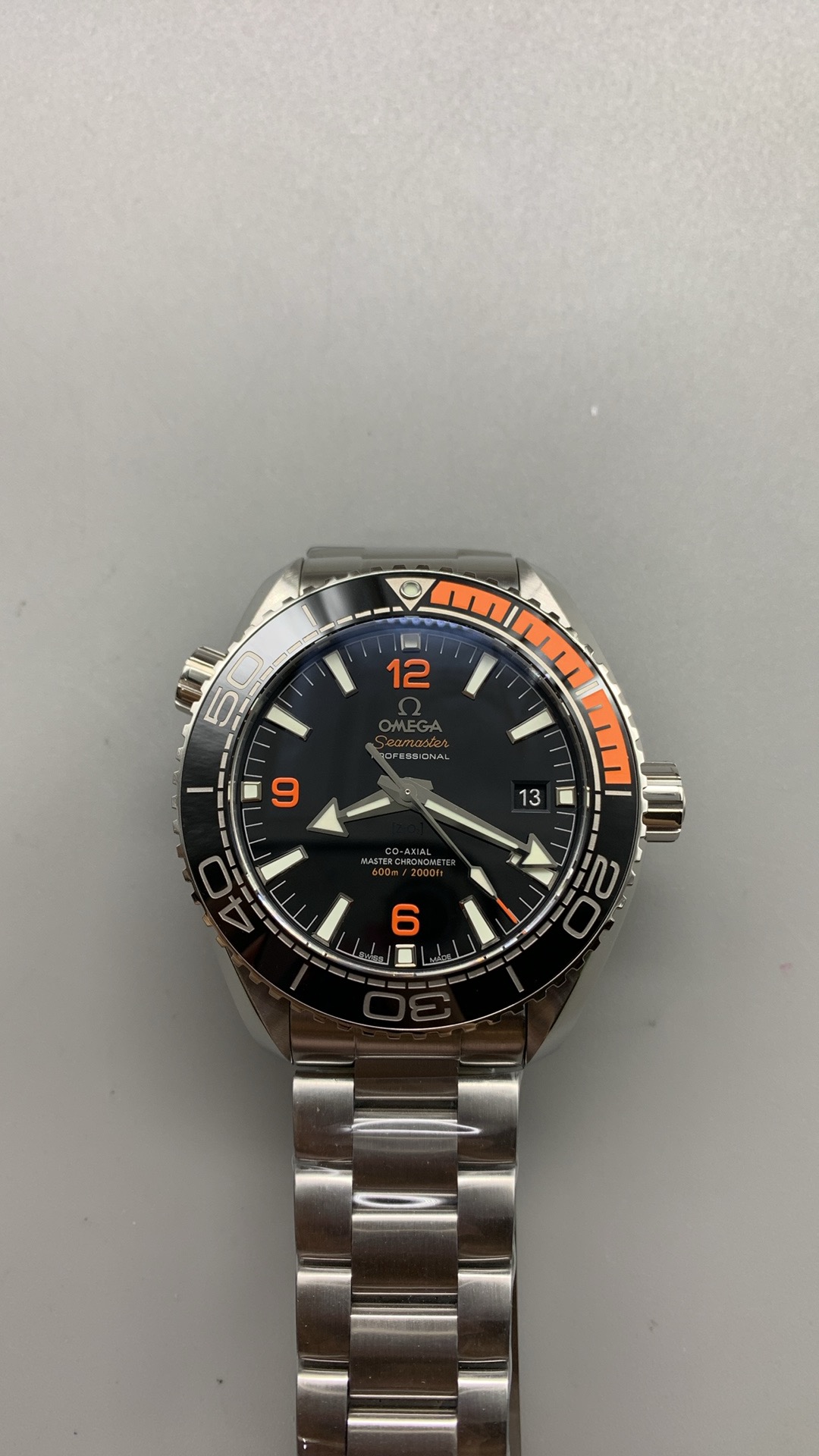
Direct answer: replacement-parts claims on watches sold as "VS factory" — "accepts genuine bezel inserts," "genuine bracelets fit," "crystals are interchangeable" — are seller statements, not engineering facts. Some parts genuinely do fit across replica and genuine cases; many do not; and no listing contains the measurements that would settle it. Each common claim below gets the reality check it needs, because the difference between "fits" and "almost fits" is a ruined part or a damaged watch.
Claim one: "Genuine bezel inserts fit"
Bezel inserts are sized to the bezel they seat in, and genuine bezels changed dimensions across generations. The ceramic insert made for a Rolex Submariner 116610 bezel is sized for that bezel's diameter, thickness and snap geometry; a case copying 126610 proportions may not seat it at all. Inserts mount two ways — pressed with a snap fit, or held by adhesive — and neither method forgives a millimeter-scale mismatch: too tight and the insert cracks, too loose and it falls out or rattles. The claim "genuine insert fits" is therefore only meaningful with calipers in hand, measuring the insert and the bezel together. As a listing phrase, it is hope dressed as fact.
Claim two: "Genuine crystals are interchangeable"
Crystals are cut to tenths of a millimeter and press into gaskets whose height and profile are set by the case. A crystal meant for one case diameter will not seat correctly in a case a fraction of a millimeter different, and the gasket, not the crystal, is where the tolerance lives. Even the correct-diameter crystal for a genuine case is installed by a watchmaker with a press and the right gasket — it is not a user part. There is also a distribution problem before the geometry problem: genuine-brand crystals are sold through the brands' service networks, not over the counter, so the "genuine" crystal in most open-market listings is salvaged or aftermarket. Interchangeability fails twice — first at the supply, then at the fit.
Claim three: "Any bracelet or strap fits"
Straps and bracelets have two separate fit problems. Lug width is easy — a 20mm strap fits 20mm lugs, roughly. End links are hard: a bracelet with integrated or curved end links is machined for one case profile, and a genuine Rolex or Audemars Piguet bracelet mates to the case it was made for, not to a replica case that merely resembles it. Straight-end aftermarket bracelets avoid the problem but look the part only loosely. When a listing says "genuine bracelets fit," the honest translation is "the lug width probably matches," which is the easy half of the problem and the half that matters least. Our strap comparison covers the fit variables in detail.
Claim four: "Same construction as the genuine"
A fourth claim travels with the first three: that the case is built "exactly like" the genuine one, so parts and tools made for the genuine watch apply. Construction claims are impossible to verify from photos and hard to document even in person — case tube threading, gasket channels and bezel snap dimensions are internal geometry. And "same construction" would not carry parts compatibility with it anyway: genuine service parts are matched to genuine cases through the brands' own networks, not through resemblance. Treat the phrase as decoration and fall back on the measurements.
The three questions that actually settle compatibility
- What are the measurements? Diameter, thickness, lug width and end-link geometry — in numbers from a caliper, not adjectives.
- What is the donor part's reference? A part is "for" a specific genuine reference. If the claim cannot name one, it is not a compatibility claim.
- Who says it fits? A seller's listing and a watchmaker's test fit are different evidence. Only the second counts.
What compatibility actually changes
Even where a genuine or aftermarket part does fit, fitting it changes the watch's parts mix, not its status: a replica case wearing a salvaged genuine bezel is still not a genuine watch, and mixing parts can complicate any future service, since the next watchmaker cannot assume what anything is. Document what was swapped and where it came from; that note saves the next service an hour of guessing. Compatibility is a practical question — will this part seat and function — and it deserves practical answers: measurements, test fits, and a watchmaker's eyes. The case materials comparison covers the construction vocabulary these claims lean on, the VS factory terminology page defines the label, and the care checklist puts parts replacement in the context of owning the watch.
Frequently asked questions
Does '1:1 case' mean genuine parts fit?
No. The phrase is marketing meaning the case resembles the genuine one. Dimensional claims need measurements, not adjectives.
Can a genuine bracelet go on a replica case?
Generally not without modification. End links are machined for one case profile, and a lookalike case is not the genuine profile.
Do bezel inserts snap in or glue in?
Both designs exist. Press-fit inserts snap into the bezel; others are held by adhesive rings or tape. The method must match the bezel, not the preference.
Where can genuine replacement parts be bought?
From the brands' own service networks, for genuine-brand watches. Open-market parts described as genuine are salvaged or aftermarket.
Este contenido tiene fines educativos generales sobre relojería. No verifica ningún producto individual ni garantiza su autenticidad, y no está afiliado con marcas ni fábricas de terceros.