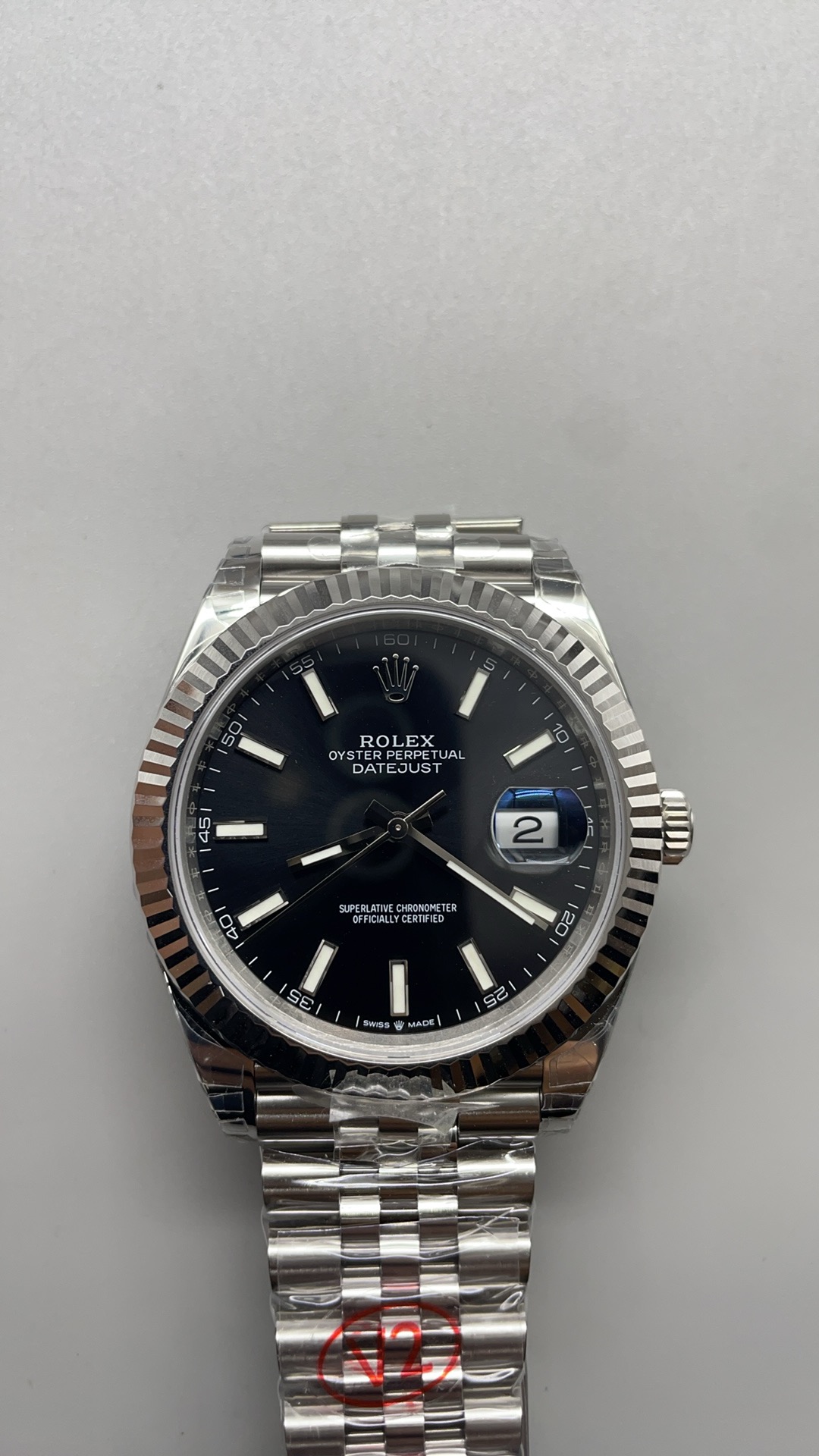
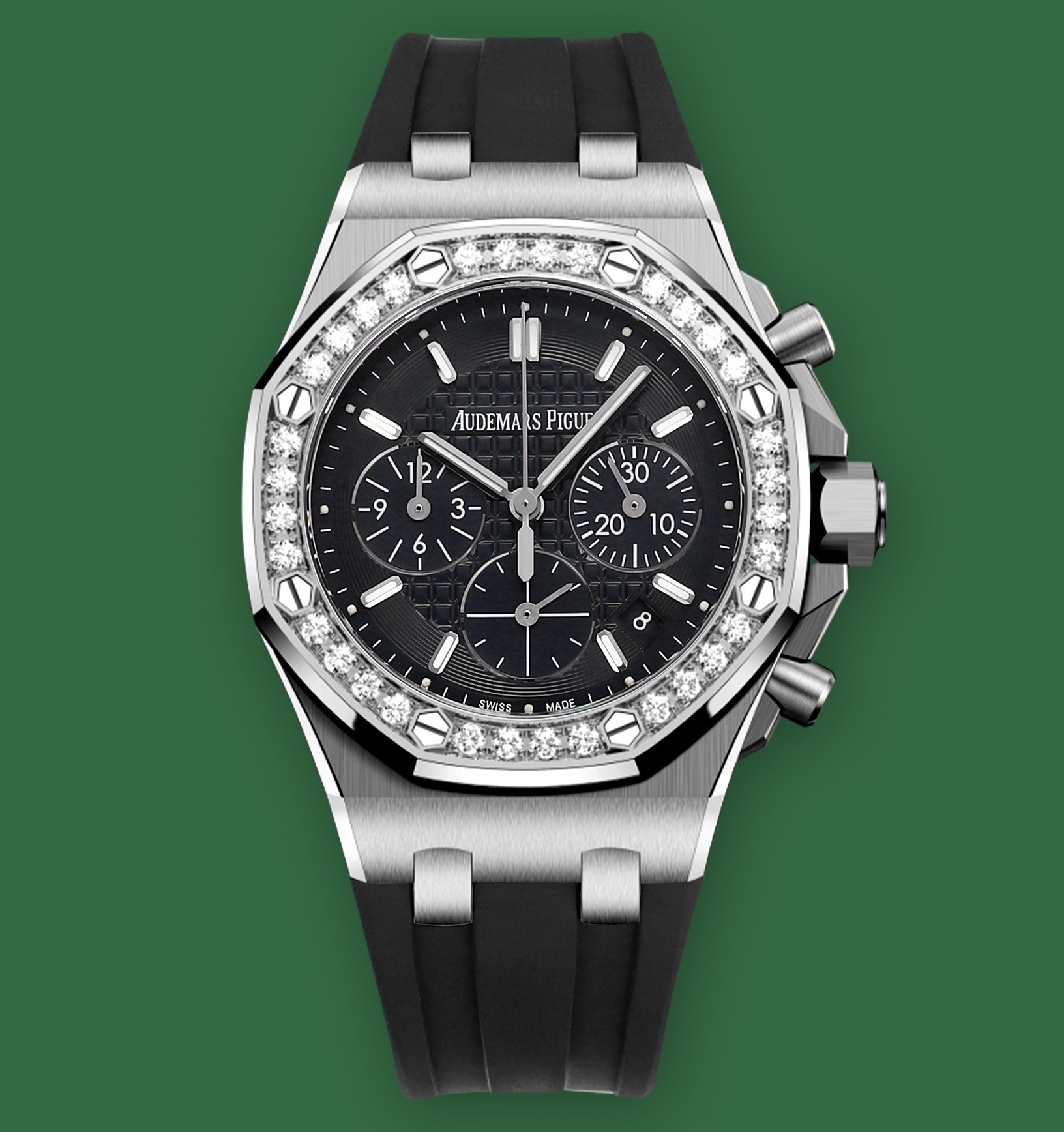
The movement inside a VS factory watch is not the caliber it imitates, and that single fact shapes every service decision. Brand service centers do not accept non-genuine watches, genuine movement parts are not sold to the public, and the practical route is an independent watchmaker working with aftermarket parts. Service is possible; the options are just narrower than they are for a genuine watch.
Terms that keep appearing
- Clone movement: a movement built to imitate a genuine caliber's appearance and sometimes its layout, without being made by the brand whose name it copies.
- Decorated movement: an inexpensive base caliber dressed with plates, engravings and a rotor that mimic the genuine look.
- Base calibers: the third-party movements commonly found inside — ETA 2824 and 2836 automatics, Miyota 9015 and 8215, and hand-wound Seagull chronograph calibers are the names that recur in forum discussions. These are legitimate mass-produced movements; what makes a build 'clone' is the decorating and labeling, not the base engineering.
- Service interval: the period between overhauls; three to five years is the general watchmaking guidance for mechanical movements.
- Overhaul: full disassembly, cleaning, lubrication and reassembly — the service a watchmaker means when they say service.
Where the limits come from
Genuine brands either build their movements in-house or buy from Swatch Group companies such as ETA — which has progressively restricted sales of movements to outside brands — and they distribute parts only through their own authorized service networks. Authorized service centers do not service watches that are not genuine; a branded service route simply does not exist for a factory-labeled piece. Independent watchmakers may accept the work, but parts for a clone movement come from aftermarket suppliers, and availability varies caliber by caliber. A common ETA-clone can be serviced almost anywhere; an obscure decorated movement can be a parts scavenger hunt. Some independent watchmakers keep stocks of common clone parts precisely because this work is steady; others order per job. Both are normal, and both are slower than the branded network a genuine watch would use.
What that means for ownership
- There is no manufacturer warranty. Any warranty is a promise from the seller, enforceable only as far as the seller stands behind it.
- A full overhaul can cost more than the watch did. The economical question is often repair versus replacement of the whole movement.
- Some watchmakers decline non-genuine work as a policy, and brand boutiques will direct you away. Ask before booking, and expect to hear no sometimes.
- Quartz pieces are the exception: a dead quartz movement is usually replaced outright for less than an overhaul would cost.
What happens when parts are not available
For common base calibers, parts are easy: ETA-clone components are produced by multiple aftermarket suppliers, and a 2824- or 9015-based movement can usually be serviced or swapped inexpensively. For less common decorated movements, the practical outcome is often a full movement replacement — the old unit is discarded and a new one fitted, which is sometimes the only economical repair. That reality is worth knowing before you buy: the serviceability of a factory-labeled watch is decided by its movement base, not by its dial text, and the two are only loosely connected.
Regulation is the exception to the parts problem. If a movement keeps time but runs fast or slow, a watchmaker can often adjust the regulator without ordering a single component — a useful fix when the watch is otherwise healthy. The general principle: ask what can be adjusted versus what must be replaced before approving any work.
A practical service strategy
- Find a local watchmaker who services clone movements and ask directly before handing the watch over.
- Ask where parts will come from and whether the work carries any guarantee.
- Identify the base movement — a movement photo helps — so parts can be matched.
- Budget for the shorter end of service intervals, treat the movement as a consumable rather than an heirloom, and record the movement reference in your notes the first time the case is open.
The movement options themselves — automatic versus quartz, and what each costs to own — are compared in automatic vs quartz watch movements. The habits that stretch any mechanical movement's life are in the mechanical watch care checklist, and the factory-label system behind these watches is explained in the Clean factory label guide.
Frequently asked questions
Can a clone movement be regulated?
Usually, yes — if the balance and regulator are accessible, a watchmaker can adjust the rate the same way as on a standard movement.
Will genuine parts fit a clone movement?
Interchangeability claims are unverifiable without opening and measuring, and genuine movement parts are not sold to the public in the first place.
Is servicing worth it on an inexpensive movement?
Often a full movement replacement costs less than an overhaul. Ask a watchmaker to quote both before deciding.
Will a brand service center work on it if I pay?
No. Authorized service centers do not service watches that are not genuine, and that policy does not change for a fee.
Este contenido tiene fines educativos generales sobre relojería. No verifica ningún producto individual ni garantiza su autenticidad, y no está afiliado con marcas ni fábricas de terceros.