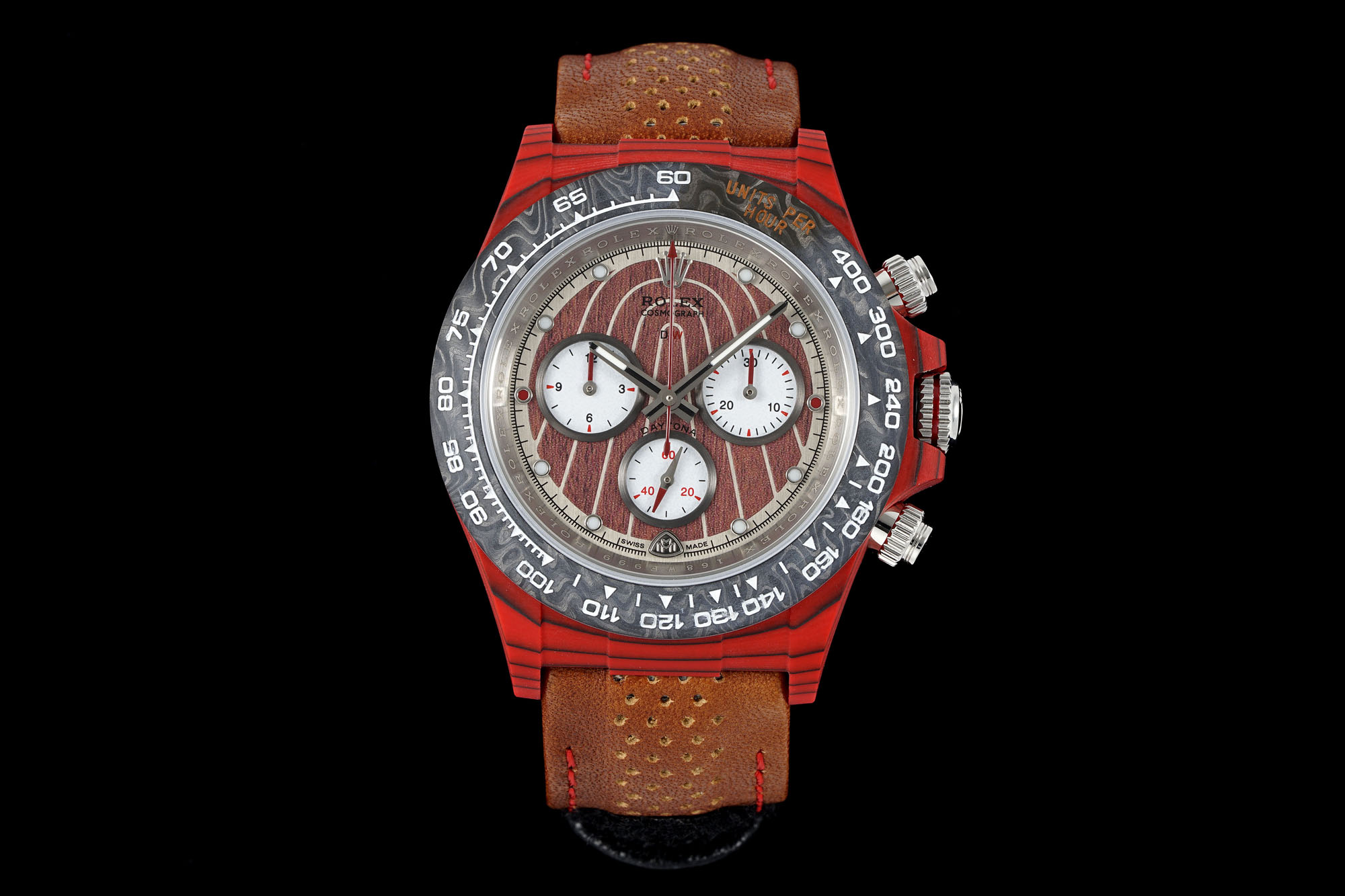
A watch becomes a counterfeit, legally, when it carries a brand's name, logo, or protected design without authorization — not when someone decides the quality is low. That distinction drives every border seizure and marketplace takedown, and it is why "AAA-grade replica" listings sit on the wrong side of the rules no matter how honestly they are described. Trademark law polices marks, not workmanship. Here is how the terms and the restrictions actually work.
Counterfeit, homage, gray market: three different things
The three labels get conflated constantly, and the differences are legal ones.
- Counterfeit. An unauthorized product bearing a brand's name or logo, made to pass as or be sold as the brand's. The trademark use is the offense.
- Homage. A watch that borrows a design language — bezel shape, dial layout — but carries its own name and no protected marks. Uncomfortable for brand lawyers at the margins, but not a counterfeit.
- Gray market. Genuine goods sold outside the authorized network — real watches, real trademarks, no brand warranty, legal in most jurisdictions.
The quality ladder inside replica selling — the "grades" explained in our replica watch grading claims guide — is irrelevant to this classification. A superb copy is as much a counterfeit as a cheap one; the dial text decides the category.
What happens at the border
U.S. Customs and Border Protection is authorized to detain and seize merchandise bearing counterfeit marks, and commercial importation of counterfeit goods is prohibited. The agency has also published guidance that a traveler may bring one counterfeit item of each product type for personal use in accompanied baggage — a narrow personal-use allowance, not a right to import for resale, and not a protection for goods arriving by post in commercial quantities. Buyers who order replicas from overseas sellers are importing them; the package, not the purchase, is what customs sees. Seizure notices are the common outcome for commercial shipments, and there is no refund from customs when goods are destroyed.
Two practical consequences follow. First, a seller's disclaimer — "replica," "inspired," "AAA" — does not change the trademark analysis: the marks are still on the product. Second, "shipping to the U.S." is a promise a seller cannot guarantee, because the seller does not control the border. Sellers who promise seizure-free delivery are promising something outside their control.
Platforms and rights owners
Marketplaces have their own enforcement machinery on top of customs. eBay's Verified Rights Owner (VeRO) program lets rights owners request removal of listings using their marks; other platforms run similar takedown systems. A listing can be removed for trademark reasons whether or not the seller disclosed that the watch is a replica — disclosure addresses deception, not infringement. Our counterfeit identification guide covers the product side of the same problem.
One clarification helps, because sellers blur it deliberately: trademark, copyright, and patent are three different regimes, and a watch counterfeit is primarily a trademark problem. The brand name on the dial and the crown emblem are protected marks; using them without authorization is infringement, whatever design elements the watch borrows or does not borrow. Copyright and design protection matter in some jurisdictions for the shape of a case or bracelet, but the simple, universal offense in a replica listing is the marks. That is why listings that crop logos from photos, or photograph only the caseback, are not neutral choices — they are aimed at the one element the law keys on.
What buyers should understand before ordering
- Seizure risk is real and often unrecoverable. If customs destroys the package, the buyer's payment is the loss, and a seller's "reship guarantee" depends on a seller who may be gone.
- Payment disputes exist but are not insurance. Card networks treat counterfeit merchandise as a dispute category, yet collecting requires a responsive seller, and replica sellers frequently vanish after disputes open.
- Possession is not the offense. In the U.S., buying or holding a counterfeit for personal use is generally not prosecuted; selling, trafficking, and commercial importation are where enforcement concentrates.
- Local law varies. Other countries treat even personal possession differently, so the rules that matter are the ones at the destination border.
The full set of consumer-side questions this raises lives in our FAQ section, and the broader background on how replicas are graded and sold is in the knowledge base.
Frequently asked questions
Can one fake watch be confiscated at the border?
Yes. Customs can detain and seize counterfeit goods, and commercial shipments are the main target; the personal-use allowance applies to accompanied baggage, not mail-order imports.
Is it legal to buy a replica for personal use?
Buying and possessing counterfeits for personal use is generally not prosecuted in the U.S. Selling, trafficking, or importing them for commercial purposes is prohibited, and importation is where most buyers encounter enforcement.
Does the seller's disclaimer protect the buyer?
No. The disclaimer describes the product but does not legalize it, and it offers no protection if the package is seized.
What is the difference between a fake and a gray market watch?
A gray market watch is a genuine product sold outside the authorized network; a fake carries marks the brand never authorized. One is a channel issue, the other is an infringement.
Este contenido tiene fines educativos generales sobre relojería. No verifica ningún producto individual ni garantiza su autenticidad, y no está afiliado con marcas ni fábricas de terceros.