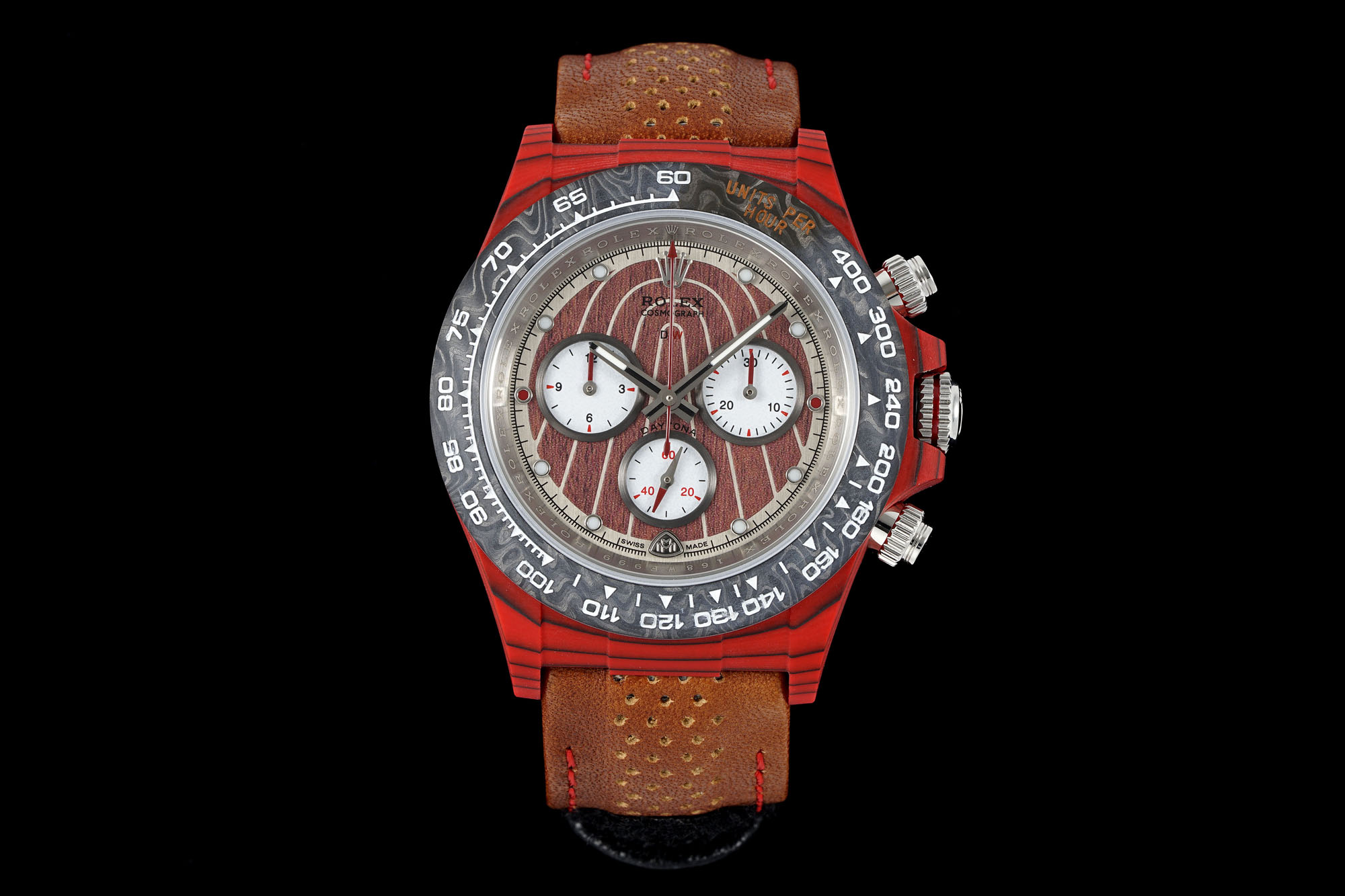
Names in replica listings follow conventions, not rules. The version numbers, factory tags, and edition words you see — "V2," "Latest Edition," "Super Clone" — are seller shorthand that packages a batch as an upgrade and borrows credibility from the genuine model's own naming. Decoding a listing name is a checklist exercise: separate the elements that can be checked from the ones that are only claims, and let the claims fall where they may.
What a typical listing name contains
Take a representative string: "Clean Factory Submariner 126610 V4 Super Clone." It contains five elements, each doing different work. "Clean Factory" is a factory tag, a name covered in our guide to Noob vs Clean factory terminology. "Submariner" names the genuine design being imitated. "126610" is the genuine model's reference number, borrowed to make the listing searchable. "V4" is a version marker. "Super Clone" is a grade word. Only the middle elements refer to anything real — the design and reference exist as genuine Rolex facts — while the tag, the version, and the grade are seller vocabulary.
Where the conventions come from
The conventions copy three sources at once. Genuine watchmaking contributes the reference numbers and caliber names; the replica trade contributes factory tags and version markers; and ordinary retail contributes the edition words — "latest," "new," "upgrade" — borrowed from any product listing. The mix is effective because each borrowed element already means something to a buyer: a reference number means a real model, a version number means progress, and an edition word means freshness. None of those meanings survives the borrowing intact, which is why decoding starts from the assumption that every element in the name is a claim until a checkable fact stands behind it.
Decoding checklist
- Find the model reference. A number like "126610" refers to the genuine model being copied, not to the product. Look the reference up against the genuine model's known specs to know what is being imitated.
- Isolate the factory tag. The name before the model is a reputation claim. Judge it by the guide linked above, not as provenance.
- Read the version marker. "V1," "V2," "V4" suggest a sequence of improvements. Ask what changed — there is no changelog, and the number alone documents nothing.
- Note the grade word. "Super Clone," "1:1," "AAA" are unverified quality claims, covered in replica watch grading claims.
- Ask what each element verifies. If an element points to nothing checkable, it is advertising. Count how many elements are advertising, and you have measured the listing.
Version numbers: what "V4" does not promise
A version number implies a documented sequence — that "V4" is the fourth revision of a specification someone recorded. Replica batches have no such record. "V4" does not mean three documented fixes were made, does not mean "V3" stock is gone, and does not mean any watch labeled "V4" matches any other. Sellers use version numbers because buyers read them as progress; the honest reading is that the number marks the seller's current labeling, nothing more.
Batch names and where they blur with model names
Some listings name the batch after a material or movement: a "904L edition" borrows the alloy Rolex uses for its steel watches, and "3235" borrows a Rolex movement caliber. The borrowing is deliberate — it makes the batch name sound like a specification from the genuine brand's own catalog. The blur works in both directions: buyers mistake the batch name for the product's properties, and sellers inherit the genuine model's credibility. Keeping the design, the batch, and the product separate is the whole job of decoding.
Which elements you can actually check
Case diameter, lug width, movement type, and material finish are checkable once the watch is in hand — dimensions against a ruler, and case size against the guidance in our watch case size guide. Weight and thickness help too: a genuine steel watch of a given model has a known mass range, and a copy that differs noticeably is telling you something about its materials. The factory tag is not checkable, the version number is not checkable, and the grade word is not checkable, which is why listings lead with them. Individual name guides for BV and AF show how each tag gets used in practice.
Frequently asked questions
Does 'V2' always mean newer than 'V1'?
In seller vocabulary, usually — but no changelog documents what changed, and some sellers relabel unchanged stock to keep listings fresh. The number is a label, not a record.
What does 'Latest Edition' mean?
Whatever the seller wants it to mean. The phrase is frequently applied to old inventory because there is no authority that would contradict it.
Do replica listings use genuine reference numbers?
Yes, constantly. The reference names the genuine design being copied, so the listing inherits the search traffic of the genuine model. The number describes the design, not the product.
Should a higher version number cost more?
Only if the difference is verifiable. The number itself is not evidence of any difference, so a price premium resting on the number alone is a premium resting on advertising.
Este contenido tiene fines educativos generales sobre relojería. No verifica ningún producto individual ni garantiza su autenticidad, y no está afiliado con marcas ni fábricas de terceros.