
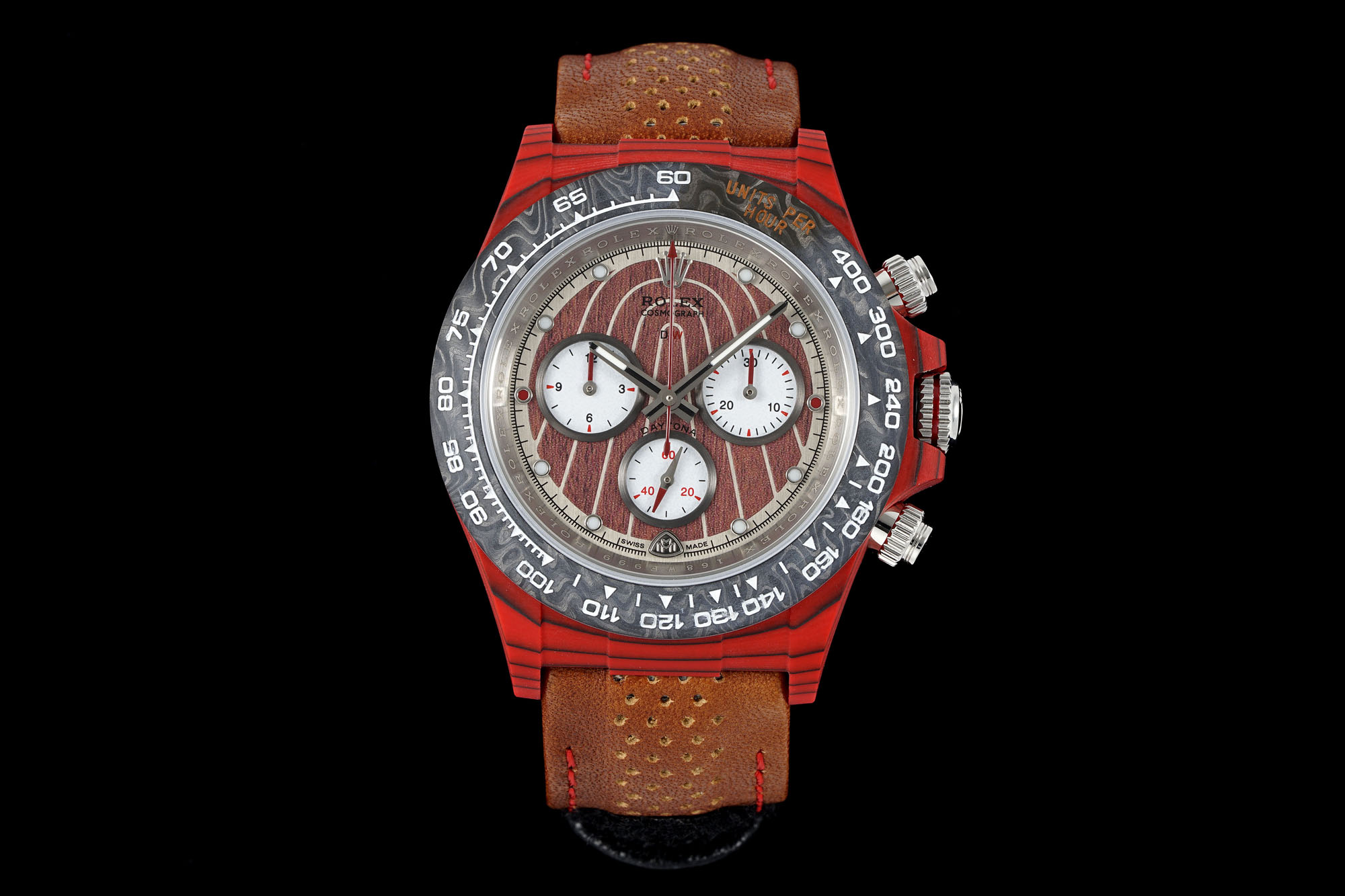
You can report a suspected counterfeit watch listing, including one advertised under the NOOB factory label, through the marketplace or platform where it appears, and in most cases the flow is built into the listing page itself. A report is not a refund and it is not a takedown guarantee; it is the start of a review by the platform's enforcement team. Here is the practical sequence, step by step.
Before you report: capture the evidence
- Take screenshots of the listing, including the title, photos, description and price.
- Copy the listing URL and note the seller's account name.
- Save any messages with the seller, especially where claims about authenticity or origin appear.
- Note the date. Evidence that survives a deleted listing is the whole game.
What makes a report effective
Enforcement teams sort through large queues, and a specific report gets further than a vague one. Name the exact reason from the platform's menu, such as counterfeit or trademark violation, rather than a generic complaint. In the notes, point to concrete mismatches: a dial that does not match the reference it claims to be, a price far below the genuine model's market, claim language such as Swiss made or 1:1 on a watch that clearly is neither, or photos that avoid the caseback. A report that shows its reasoning reads differently from one that only says fake.
Where the report buttons live
- eBay - every listing carries a Report item flow for buyers, while rights owners use the VeRO program for intellectual-property takedowns.
- Chrono24 - listings carry a report option, and buyer-protection terms apply to transactions that went wrong.
- Facebook and Instagram - Meta provides intellectual-property report forms covering counterfeit goods offered for sale.
- Brand websites - many watch brands publish an intellectual-property or anti-counterfeit contact for reporting unauthorized use of their marks.
Classifieds and forums without automated flows usually route reports to moderators, and the same evidence bundle works there. These reporting routes are public features of the platforms named. If you are not certain the listing is actually counterfeit before reporting, the checks in how to identify counterfeit watches get you most of the way there, and the factory labels sellers rotate through are mapped in our factory guides.
What happens after you report
The platform reviews the report against its policies. Listings that clearly violate the rules come down; ambiguous ones may stay up while the seller is asked for documentation. Most platforms do not give the reporter a detailed outcome, so a silent removal is the normal result. Counterfeit sellers re-list under new accounts, which is why a single report rarely ends anything and repeat reports from multiple buyers matter. If the same seller reappears with a near-identical listing, report the new listing too and mention the previous one in the notes. Keep whatever confirmation or reference number the platform issues; it lets you follow up or cite the earlier case in a later report.
Escalating to the brand
For persistent sellers, whole shopfronts or listings that keep returning, the brand's own channel adds weight. Brand anti-counterfeit contacts generally want the same bundle: listing links, screenshots and a note on why the item appears non-genuine. Brands act against sellers and sources rather than individual listings, so one detailed report to the brand can reach further than ten marketplace reports, and the two routes work well together.
What not to do
Stay on the reporting channels. Confronting the seller with accusations, threatening them, or trying to pressure them directly can itself violate platform rules and rarely changes anything; sellers of counterfeit goods have heard it before and will move to the next buyer. The platforms act on evidence and policy, not on arguments, so the useful work is a clean, documented report followed by moving on.
If you already bought the item
Reporting the listing and recovering money are separate tracks. For a completed purchase, the route is the platform's item-not-as-described dispute, then the payment provider or card issuer. A report helps enforcement; a dispute gets your money back. Both are worth doing, in that order, and the grading language that made the listing misleading is decoded in our replica watch grading claims guide. Common reporting questions are collected in the FAQ.
Frequently asked questions
Will the seller know I reported them?
Platforms do not disclose who filed a report in the normal flow. Sellers are typically notified only that a listing was reviewed or removed.
Do I need to own the watch to report a listing?
No. Anyone can report a listing that appears to violate platform rules; you do not need to be a buyer or a rights owner.
Should I contact the seller before reporting?
Only if you are pursuing a refund on a completed purchase. For a listing you have not bought from, reporting directly is the standard path.
How long do takedowns take?
It varies by platform and workload. Some reviews conclude within days, others take longer, and multiple reports tend to speed the decision.
هذا المحتوى مخصص للتثقيف العام في عالم الساعات. وهو لا يتحقق من أي منتج بعينه ولا يضمن الأصالة، ولا يرتبط بأي علامات تجارية أو مصانع تابعة لجهات خارجية.
