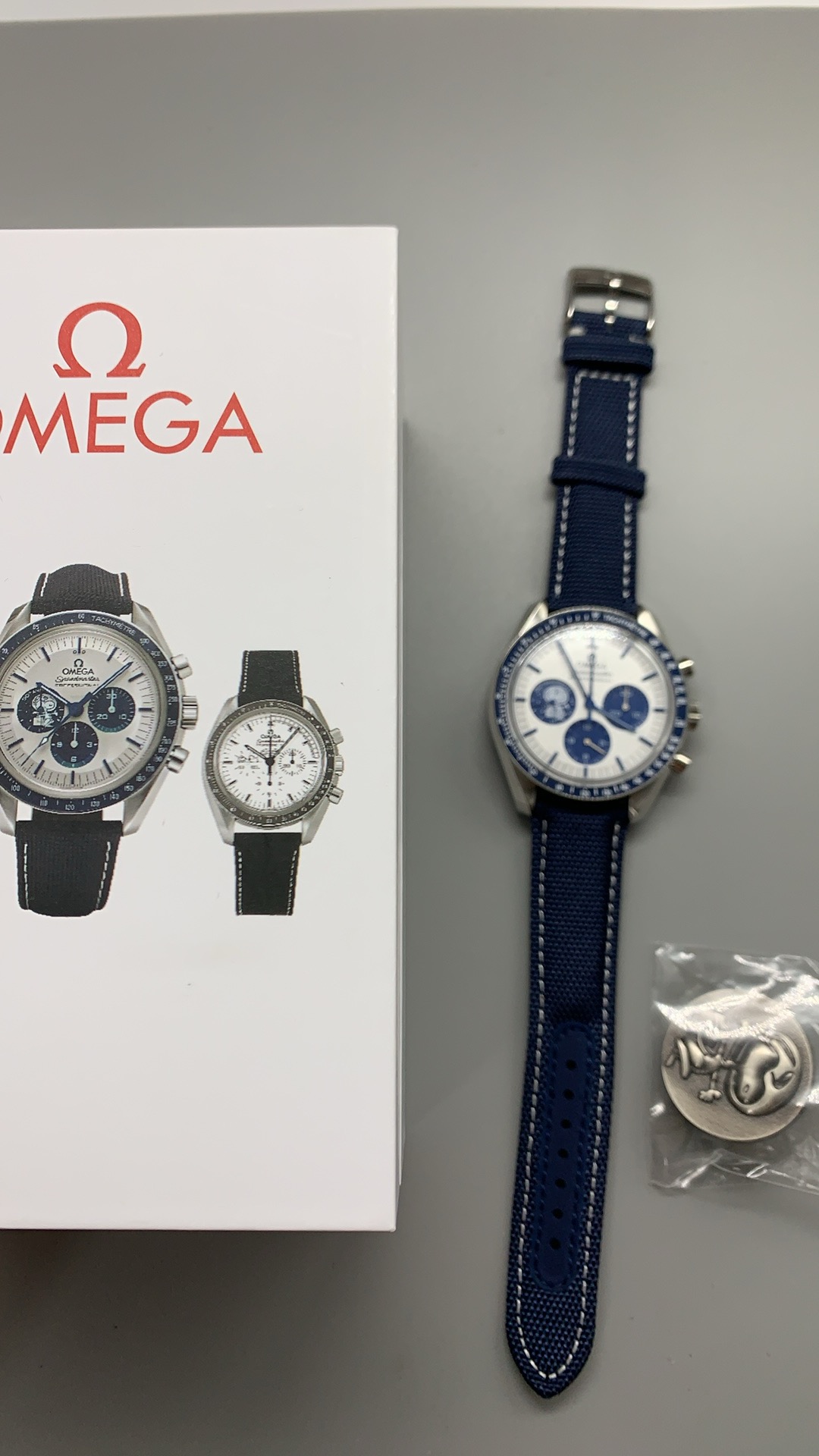
The risk behind a parts-compatibility claim is simple: the claim is cheap to make and expensive to test. Sellers say a watch "accepts genuine parts" because it helps the sale, but tolerances, threading, and gasket seats often differ enough that a part either will not fit or fits while quietly compromising the seal. A qualified watchmaker tests fit on the bench, measures instead of eyeballing, and pressure-tests afterward — steps a buyer cannot safely reproduce at home.
The compatibility checklist a watchmaker runs
- Identify the exact movement first. Nothing can be ordered — caseback gasket, crown, or crystal — until the caliber and case are identified. On watches sold under labels like "AAA-grade replica watches," a term with no official meaning, the movement inside is the unknown that everything else hangs on.
- Measure the case and gasket seats. Caseback threads, crystal diameter, and crown tube dimensions are physical facts. A part that is visually similar but a fraction of a millimeter off will not seal.
- Test-fit before installing. A watchmaker dry-fits a part and checks engagement before committing. Forcing a part into place is how threads get stripped and cases get scored.
- Check the seal after any case work. Every time a caseback comes off, the watch owes you a new or verified gasket and, ideally, a pressure test. Compatibility that holds water out is the only compatibility that matters.
- Keep the removed parts. The old crown, gasket, or movement tells the next watchmaker what was there before. Documentation of what was swapped is part of the watch's history.
- Treat "direct swap" language as a claim. Direct swap with what? Tested by whom? If the seller cannot name the caliber and the part number, the phrase is decoration.
The three claims that decide most repairs
Gaskets and crown
These are the wear items every watch needs eventually, and they are the parts where "compatible" most often means "almost." A crown that threads but does not seat against the tube lets moisture in slowly, which is the worst kind of failure: invisible until corrosion has started.
Crystal
Crystals are measured in tenths of a millimeter and fitted under tension. A replacement that is near but not exact either pops out or cracks the case rim. This is a measurement problem, not an opinion problem — which is why it belongs on a bench rather than in a kitchen drawer.
Movement and hands
Hands press onto pinions of specific sizes, and movements sit in specific case geometry. The more the seller insists everything is standard, the more the watchmaker should confirm before anything is pressed or pried. A slipped hand-press is a scratched dial; a wrong pinion fit is a movement that stops at midnight.
Why home testing fails
Most of the checks above fail at home for the same reason: the tools do the thinking. A caliper reads tenths of a millimeter; a bench-mounted caseback wrench applies torque evenly; a pressure tester measures what a sink cannot. Home repairs replace all three with feel, and feel is exactly what compatibility claims exploit. The part that is close enough by feel is the part that leaks, strips, or seizes — which is why the checklist ends at a bench, not at a desk.
When to say no
If the seller's compatibility claim cannot name the base movement or the case construction, walk away. If a repair requires a part that no supplier lists, the watch becomes a paperweight. And if the quoted repair exceeds the value of the watch, the honest move is to say so — a watchmaker who tells you not to spend the money is doing the job right. Compare the case story with the materials covered in our case materials comparison so you know what the parts are supposed to be made of, and fold the result into your care routine going forward. For background on why sellers and factories describe these watches the way they do, start with the factory guides.
There is also a category of compatibility claim worth calling out directly: the promise that a watch will accept genuine-brand parts as a selling point. Even when a part physically fits, installing it does not make the watch genuine, and the upgrade rarely adds the resale value the listing implies. Treat the promise as what it is — a sales argument about a part, not a fact about the watch.
Frequently asked questions
Do genuine-brand parts fit non-genuine watches?
Sometimes, for standard components, and often not, for proprietary ones. Fit has to be tested on the bench; "interchangeable" is a claim until then.
Which part fails most often?
Gaskets, crowns, and crystals are the usual wear items, and the first two are where compatibility problems do the most hidden damage.
Is changing a bracelet myself safe?
A spring-bar bracelet change is routine. Anything that involves the case, crown, or seals belongs on a bench.
What should a watchmaker give me after the work?
The removed parts, the pressure-test reading, and a written note of what was done — that record protects the next repair and any future dispute.
هذا المحتوى مخصص للتثقيف العام في عالم الساعات. وهو لا يتحقق من أي منتج بعينه ولا يضمن الأصالة، ولا يرتبط بأي علامات تجارية أو مصانع تابعة لجهات خارجية.