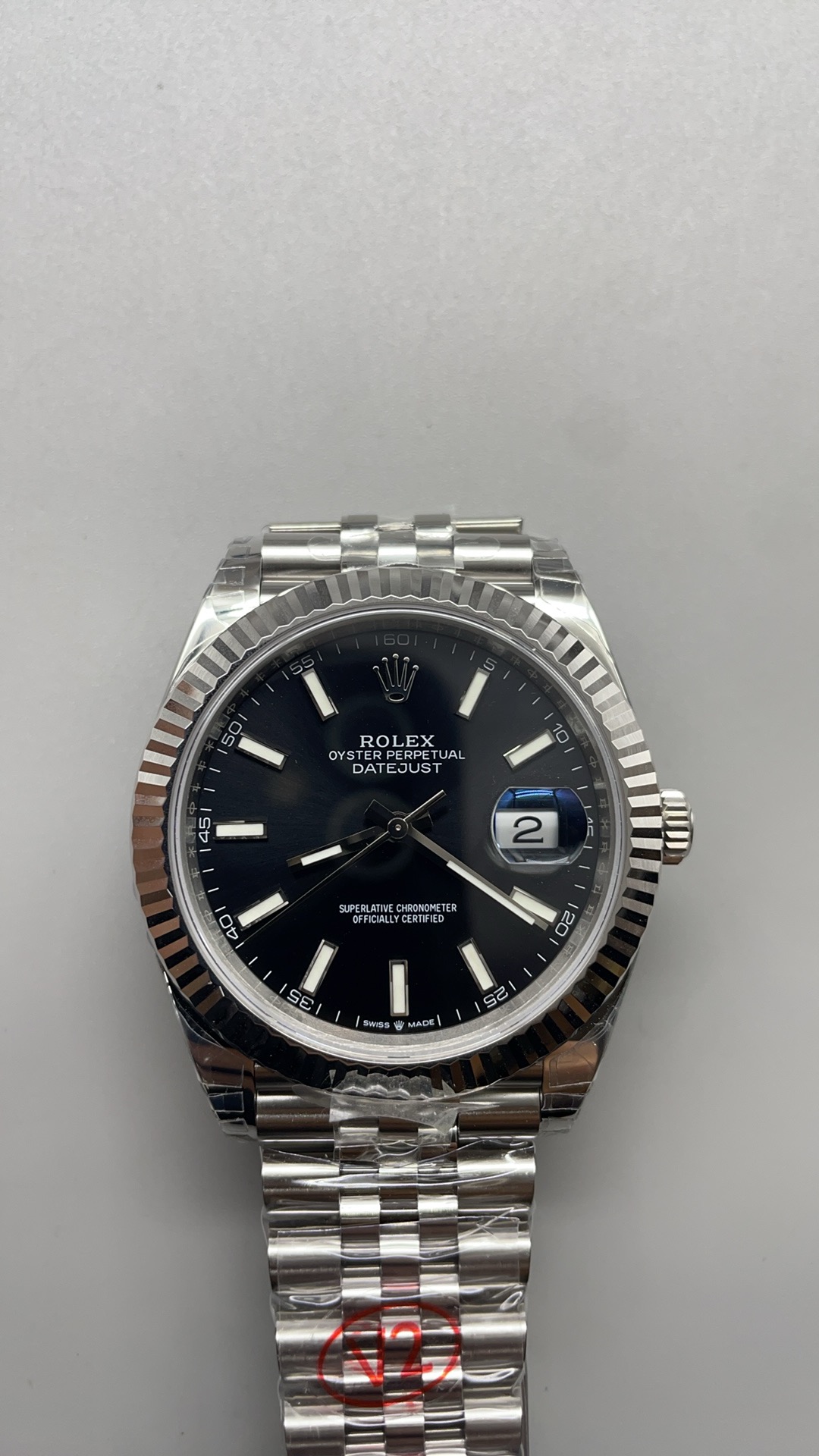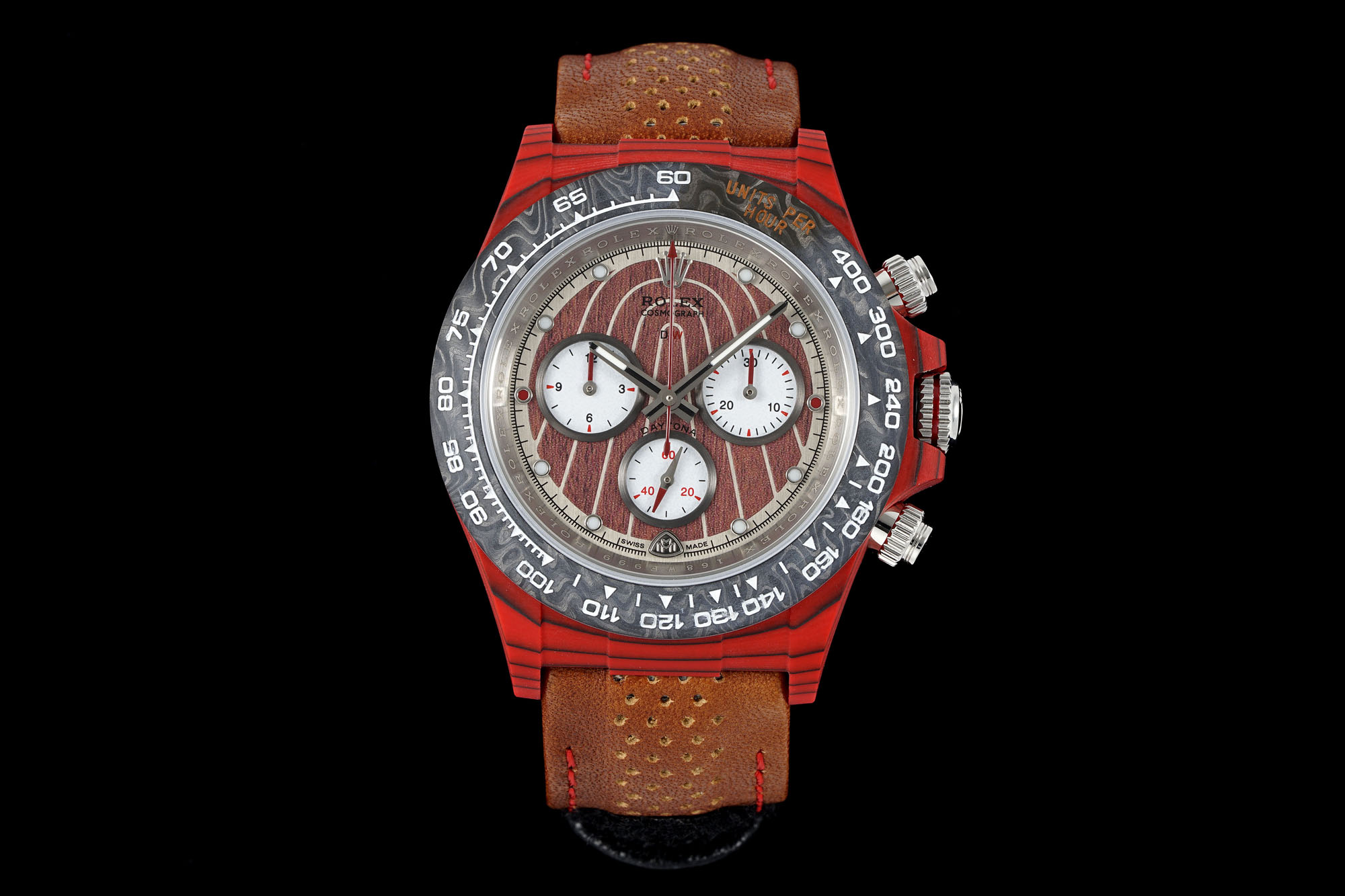
Yes. Service limits are more uncertain because the movement inside a NOOB-labeled watch is typically an unauthorized copy with no manufacturer documentation, no official parts supply, and no verifiable version history. Servicing a genuine watch ends with a documented movement the watchmaker can stand behind; servicing a NOOB-labeled watch ends with an unknown movement wearing unknown parts, so guarantees shrink and some watchmakers decline the job outright.
The vocabulary, defined
Four terms frame the difference. A service is the routine strip-down, cleaning, lubrication, and reassembly a mechanical movement needs every few years. A service interval is how often the manufacturer recommends that work; for mainstream calibers it is commonly stated as every five to ten years depending on use. A timing specification is the published tolerance band the movement should hold after service, such as a stated daily rate for a given ETA caliber. A parts supply is the pipeline through which genuine replacement components reach the watchmaker's bench. All four exist for a genuine watch. For a NOOB-labeled watch, only the first one reliably exists.
What “clone movement” means in practice
Forum posters use “clone movement” for an unauthorized copy of a recognizable caliber pattern — commonly a Rolex 3135-pattern copy, sometimes labeled by sellers with codes such as “SA3135.” The labels are seller vocabulary, not manufacturer designations, as the Noob and Clean terminology explainer makes clear. Two watches sold under the same movement name can contain different revisions with different balance assemblies, shock systems, and hairsprings, and there is no reference document that says what any revision should measure. A watchmaker who has serviced ten genuine 3135s can predict what the eleventh will look like inside. A watchmaker who has serviced ten “3135-pattern” copies has learned that the eleventh may share nothing with the previous ten but the name.
Where genuine service limits come from
For a genuine watch, limits come from engineering facts: the manufacturer specifies lubricants, torque values for screws, and tolerance bands for the train wheels, and the watchmaker follows them. Service intervals rest on the same data. When a manufacturer states that a movement should be serviced every five to ten years, the number reflects tested wear rates, documented lubricants, and known materials — a promise backed by engineering records. Even for vintage pieces where documentation is thin, the watchmaker is working within a known design lineage and can source or fabricate parts to known dimensions.
Where NOOB service limits come from
For a NOOB-labeled watch, limits come from unknowns: which revision of movement is installed; whether replacement parts fitted earlier were made to the same dimensions; whether the oils used previously are compatible with what the watchmaker will use; and whether any parts supplier exists for the specific variant. Each unknown widens the range of what a service can promise. A watchmaker may complete the service and find the watch running well; the uncertainty is not that the work cannot be done, but that no documentation exists to predict or guarantee the outcome.
Parts supply is the sharpest limit. Genuine-brand parts and calibers are not sold for installation into counterfeit watches, and several major Swiss brands restrict parts distribution to their authorized networks. That leaves generic aftermarket stock and donor movements, which fit some copies and not others. The NOOB factory explainer covers how the label itself circulates without any of the documentation genuine brands publish, and the service-interval question follows the same logic: because no manufacturer exists to state an interval, any number a watchmaker suggests is an estimate based on what was seen inside, not a recommendation backed by data.
Claims that the movement “takes genuine parts”
Listings sometimes state that a NOOB-labeled watch accepts genuine parts or has been built to genuine dimensions. Treat this as a seller claim, not an engineering fact — the same rule that applies to the grades covered in the replica grading claims explainer. Whether a particular copy accepts a particular genuine component can only be determined by trying it, and success with one component says nothing about the next. For buyers, the practical rule is to price the risk of an unrepairable movement into the decision.
What a service guarantee can and cannot cover
A watchmaker's guarantee covers the work performed: the cleaning, the lubrication, the parts fitted. It cannot cover the unknown. On a NOOB-labeled watch, guarantees are therefore shorter, narrower, and more hedged, and many watchmakers decline to accept liability for a movement they cannot identify. Between services, the mechanical watch care checklist applies as usual — every item on it matters more when no service documentation exists. The refusal to guarantee is a business decision based on missing documentation, not a judgment about the owner.
Frequently asked questions
How often should a NOOB-labeled watch be serviced?
There is no published interval. A watchmaker can suggest one after opening the case, but the number is an estimate tied to what was found inside, not a manufacturer recommendation.
Will authorized service centers service these movements?
No. Authorized and brand-owned service networks decline counterfeit goods as a matter of policy, regardless of the movement inside.
Are clone movements always lower quality than genuine calibers?
No claim can be made across the board, because clones vary by batch and revision. Some run well when serviced; others wear quickly. The point is that no documentation exists to tell them apart before purchase.
Can a service make the watch authentic?
No. A service restores function, not origin. A counterfeit watch remains a counterfeit watch after the best possible service.
What happens if the watchmaker cannot find parts?
The repair may be impossible, or possible only with donor parts from another example. This is the most common end of the road for NOOB-labeled watches.
هذا المحتوى مخصص للتثقيف العام في عالم الساعات. وهو لا يتحقق من أي منتج بعينه ولا يضمن الأصالة، ولا يرتبط بأي علامات تجارية أو مصانع تابعة لجهات خارجية.