
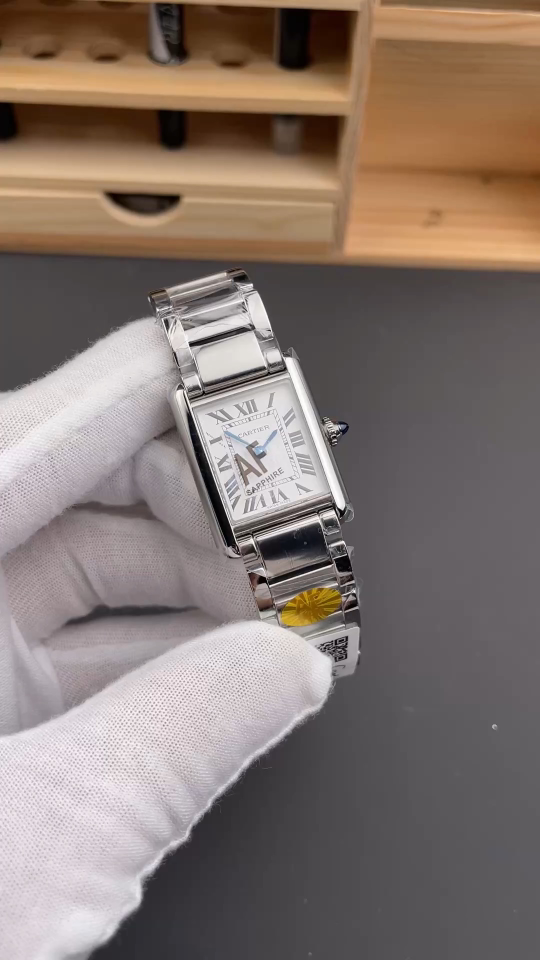
Cleaning and humidity precautions for a watch sold under the NOOB factory label come down to one rule: assume the seals are unknown until tested, and keep moisture away from the case until a qualified watchmaker confirms the gaskets. Unauthorized copies ship with no documented water-resistance history, so the practical owner's position is to treat the watch as splash-resistant at best and clean it accordingly.
Step one: know what the case is supposed to do
Water resistance is rated in bars and meters, and the ratings are test claims, not invitations to dive. The standard meanings are consistent across the industry:
| Rating | Reasonable use |
|---|---|
| 3 bar / 30 m | Splash and hand washing only |
| 5 bar / 50 m | Light swimming at the surface |
| 10 bar / 100 m | Swimming and snorkeling |
| 20 bar / 200 m and above | Scuba diving, when the watch has a screw-down crown and fresh seals |
A printed rating on a non-genuine watch is a seller's claim, and seals degrade with age regardless. None of these steps changes the underlying point: a non-genuine watch arrives with unknown seal condition and no factory testing behind it. Until a watchmaker pressure-tests the case, treat printed water-resistance numbers on the dial or in the listing as decoration. The full mechanics are in our water resistance guide.
The cleaning checklist
- Check the crown first. A screw-down crown must be fully screwed in. If the crown is pulled to a setting position, the case is open to air and water at the tube.
- Wipe, do not dunk. A soft, dry, lint-free cloth handles fingerprints and dust. When a rinse is needed, use lukewarm water and a little mild soap only if the crown is sealed and the seals are recent.
- No hot water, no steam, no sauna. Heat expands the case and accelerates seal aging; steam finds gaps liquid water cannot.
- Rinse off salt and chlorine. Salt crystals abrade seals and finishes; chlorinated water dries out gaskets. A quick fresh-water rinse after exposure, followed by a thorough dry, is standard practice.
- Dry before adjusting. Wait until the watch is dry before unscrewing the crown or operating pushers, and never operate chronograph pushers underwater.
- Skip the aggressive solvents. Avoid household cleaners, alcohol-heavy sprays, and anything abrasive near the case, crystal, and bracelet.
What humidity does, and the signs to watch for
Humidity does not need a swim to get in. A failing gasket lets vapor through slowly, and the first sign is fog on the inside of the crystal that persists or returns. Condensation that clears and comes back means moisture is inside the case, not just on it. Left alone, that moisture corrodes hands, dial furniture, and movement pivots within weeks. A watch that fogs goes to a qualified watchmaker immediately; do not dry it with a heater or hairdryer, which pushes moisture deeper and bakes it onto the movement.
After any case opening, the previous seal is meaningless until the watch is pressure-tested. This applies to battery changes, movement inspections, and strap swaps that involve spring bars near the case. The mechanical watch care checklist covers the service side of the same precautions.
If the watch gets wet despite precautions
- Pull it off and dry the exterior with a soft cloth.
- Leave the crown alone. Pulling it out while water is present gives moisture a direct path inward.
- Do not shake or blow on it; both move water around rather than out.
- Get it to a qualified watchmaker for opening, drying, and resealing. The cost of this visit is small next to a corroded movement.
Storing and traveling with the watch
Where the watch sits between wears matters as much as how it is cleaned. Store it in a dry place away from bathrooms and kitchens, where steam is constant. A simple watch box or pouch keeps dust off the crown and pushers, and a silica packet in the box helps in humid climates. When traveling, keep the watch in cabin baggage rather than checked luggage, where temperature swings condense moisture inside the case. If the watch has been in a cold car or aircraft hold, let it warm to room temperature before winding or setting it, so warm moist air does not get drawn past the crown tube.
Where materials fit in
Case material shapes the routine: steel and titanium handle moisture well, plated cases need gentler handling to avoid wearing the plating at edges, and leather straps should stay dry because water and soap shorten their life. Our case materials comparison covers the differences, and the FAQ answers the routine ownership questions.
Frequently asked questions
Can I shower with my watch on?
Not if its seals are unverified. Heat, steam, and soap all stress gaskets, and on a non-genuine watch the seal history is unknown until tested.
What does fog inside the crystal mean?
Moisture is inside the case. Even fog that clears on its own means a gasket has failed or the case was opened without resealing. Have a watchmaker open, dry, and reseal the watch.
How often should seals be checked?
As a practical habit, before any season of swimming or exposure, and after any case opening. A watchmaker can check and pressure-test in one visit.
Is it safe to clean a bracelet with water?
Yes for metal bracelets when the head is protected, using lukewarm fresh water and mild soap, then drying thoroughly. Leather straps should stay dry.
هذا المحتوى مخصص للتثقيف العام في عالم الساعات. وهو لا يتحقق من أي منتج بعينه ولا يضمن الأصالة، ولا يرتبط بأي علامات تجارية أو مصانع تابعة لجهات خارجية.