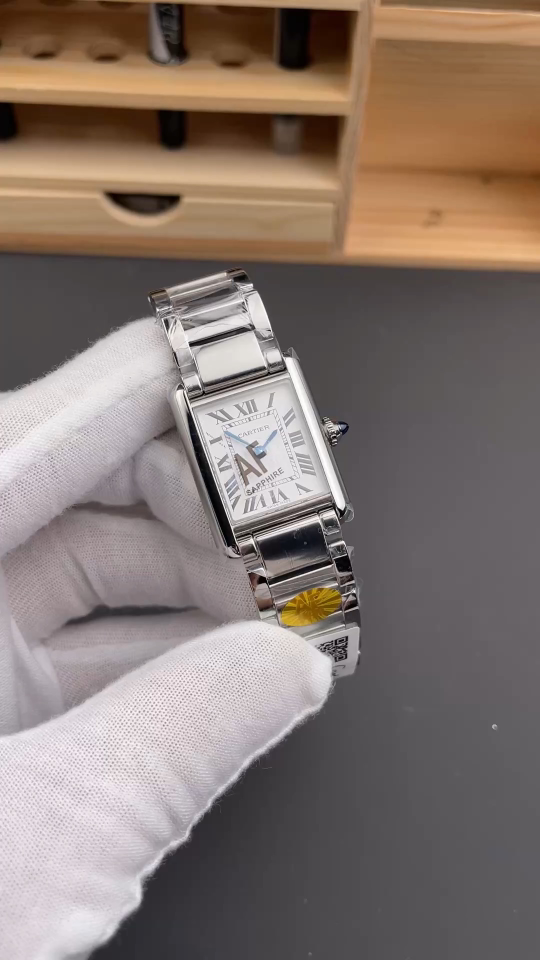
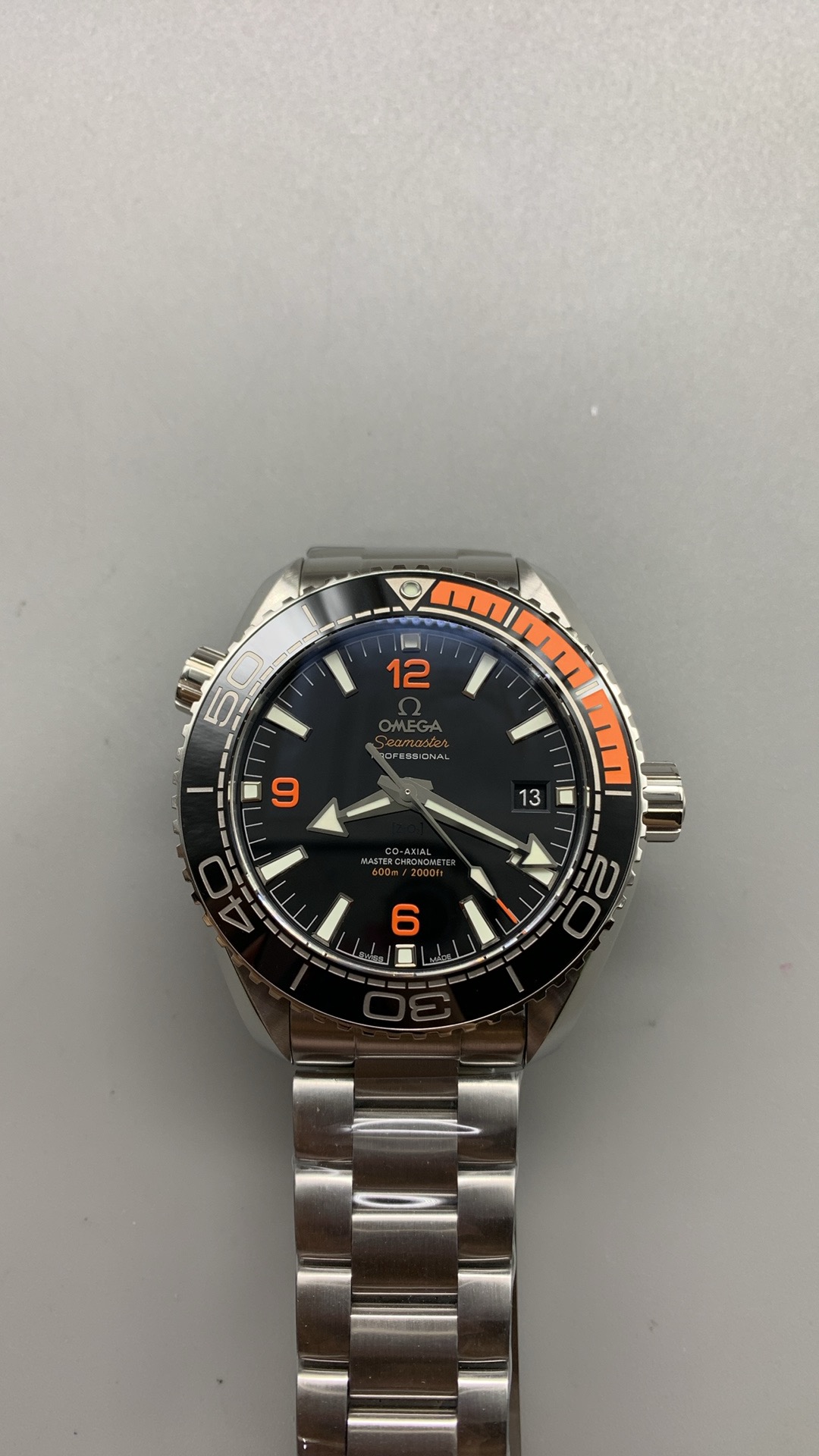
The short answer is that a depth rating on a BV-tagged listing is a number written by a seller, not a test result. Genuine watchmakers rate and test their watches against standards such as ISO 6425 for dive watches; an unauthorized reproduction carries no such certification, so nothing forces the printed number to match the seals or the assembly. Two listings for visually similar watches can claim 30 m, 100 m or 300 m because the number is free to write. This article explains what depth ratings mean, where the spread comes from, and how to treat the claim.
What a depth rating actually measures
Water-resistance ratings describe performance under static laboratory pressure, not real-world swimming. A watch marked 100 m survived equivalent pressure in controlled conditions at the time of testing; it says nothing about the seals today, about the crown being screwed down, or about thermal shocks from hot water. Movement, seals and case all contribute, which is why the rating is a system property rather than a sticker. The full background is in our water resistance explainer.
Where the claimed numbers come from
On a genuine watch, the rating is tied to design, construction and certification. Diver's watches certified to ISO 6425, for example, are tested at 125 percent of their rated pressure, among other checks. On a forum listing, the number is a marketing field. Nothing ties the printed depth to the crystal seating, the gasket material, the crown tube or the caseback closure, and no laboratory ever saw the watch. Sellers choose numbers that sound right for the model being imitated, and since different sellers choose differently, claims under one label vary. That is the entire explanation for the spread.
| Claim on listing | Standard meaning | Sensible use before testing |
|---|---|---|
| 30 m / 3 ATM | Splash and rain resistance only | Keep dry; not for swimming |
| 50 m / 5 ATM | Light surface contact | Washing hands; no swimming |
| 100 m / 10 ATM | Swimming and snorkeling on a certified watch | Treat as untested until pressure-tested |
| 200 m / 20 ATM | Scuba diving territory on a certified diver | Untested until a watchmaker confirms |
| 300 m / 30 ATM | Professional dive territory | Same rule: test first |
The crown is the most common leak point
Every depth rating assumes the crown is in the right position. A screw-down crown left unscrewed after setting the time opens a direct path for humidity, and pushing or pulling the crown while wet defeats the seal entirely. On a genuine watch, the crown is designed to match the case tube with known tolerances; on an unauthorized reproduction, the fit between crown, tube and gaskets is exactly what was never certified. Treat the crown as the first suspect whenever water is involved. On a genuine watch, a faulty crown is repaired with a matching genuine part. On a non-genuine watch, the crown, tube and stem come from whatever supply chain the seller used, and their fit with each other is part of what was never certified. The practical rule follows: if the crown has ever felt loose, do not let the watch near water until it has been checked.
Seals age even when the claim is honest
Gaskets dry out, flatten and crack with time and temperature. Genuine manufacturers and independent watchmakers recommend periodic pressure testing, commonly once a year, for any watch that goes near water. A BV-tagged watch arrives with no test history at all, so the prudent starting assumption is that it is splash-resistant at most until a pressure test says otherwise. Our mechanical care checklist covers the routine maintenance side.
Static pressure, moving wrists
The gap between a rating and real life is mechanical, not rhetorical. A static test presses a watch once in a tank; a swimmer moves a watch through water at speed, and a diver changes depth repeatedly, cycling the seals through pressure changes. That is why even a genuine watch with a real rating is re-tested over its life, and why the used-watch market treats a rating as a snapshot rather than a promise. A BV-tagged watch never had the snapshot, which puts it one step further back: the buyer is being asked to trust a number that never corresponded to a test in the first place.
How to treat the claim
Three rules. First, read the depth as unverified until a qualified watchmaker pressure-tests the watch. Second, never rely on the printed number for showering or swimming; heat, soap and steam attack seals even on genuine watches. Third, if water resistance matters to you, factor a test and likely gasket replacement into the price before you buy. More on the label itself in the BV factory explainer, and common questions are collected on our FAQ page.
Frequently asked questions
Can I swim with a BV-tagged watch rated 100 m?
Only after a real pressure test passes. The printed number is unverified and no certification stands behind it, so treat the watch as splash-safe at most until a watchmaker confirms otherwise.
Do forum listings ever meet ISO 6425?
ISO 6425 is a certification standard a manufacturer earns for a diver's watch. A number typed into a forum listing is not a submission to any certifying body and proves nothing about the watch.
Why does the same label show different depths on similar models?
Because sellers choose the numbers, and because the models being imitated carry different nominal ratings. With no standard enforcing anything, the figures drift listing to listing.
How often should gaskets be replaced?
Common practice is to replace gaskets at each service, roughly every few years, and to pressure-test annually if the watch is used in or near water.
هذا المحتوى مخصص للتثقيف العام في عالم الساعات. وهو لا يتحقق من أي منتج بعينه ولا يضمن الأصالة، ولا يرتبط بأي علامات تجارية أو مصانع تابعة لجهات خارجية.