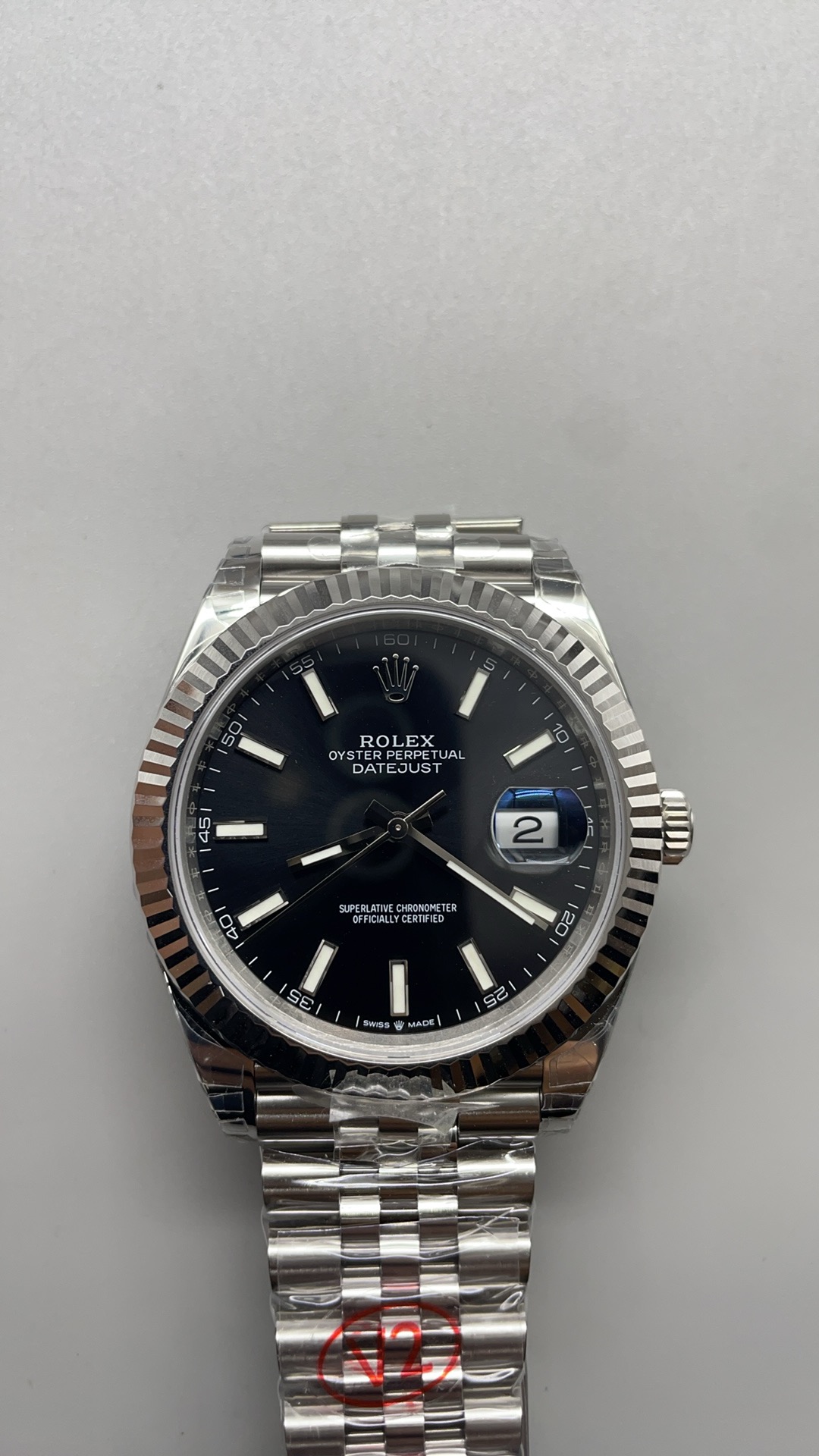
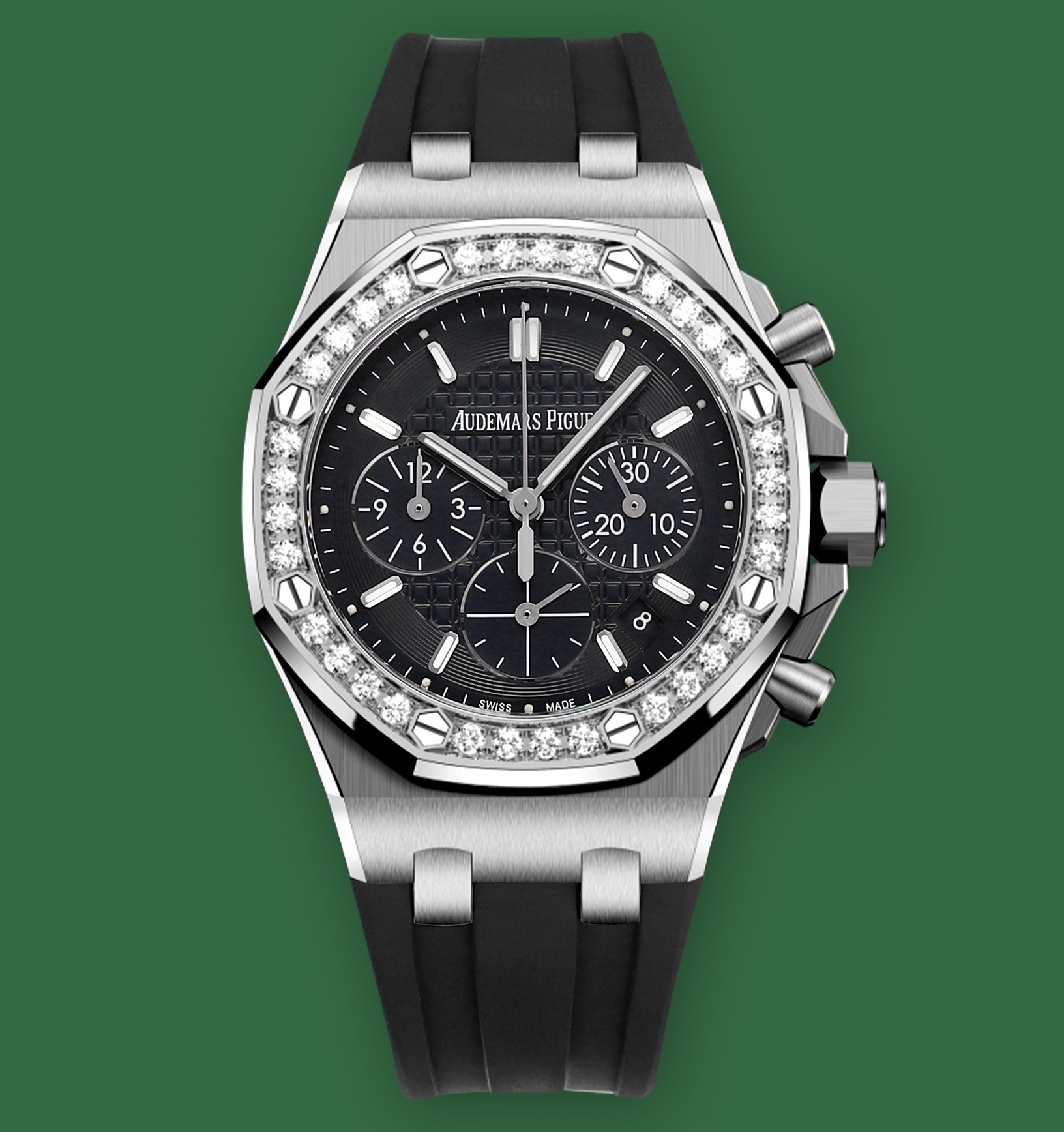
Listings that use the “BV factory” label typically pair the name with movement claims — “Asian 2824,” “Miyota automatic,” “Seagull chronograph,” or “clone caliber.” These phrases describe what the seller says is inside the case. None of them can be confirmed from the listing text, and the same wording is reused across sellers and factory names. A movement claim becomes useful only when the movement itself can be inspected, and even then it needs a reference point to be meaningful.
The movement families you will see
Most movement claims in these listings point at three well-known architectures — well-known because they are the workhorses of the genuine watch industry, and widely cloned because of it.
- The ETA 2824 architecture. The 2824 and its derivatives are the classic Swiss automatic: 28,800 vibrations per hour, roughly 38 to 42 hours of power reserve depending on generation, and decades of service data behind it. “Asian 2824” means a clone built on the same architecture — same layout, same functions, a different maker with no ETA involvement. See the automatic vs quartz explainer for where automatics sit in the broader picture.
- Miyota automatics. Miyota's 8-series, led by the 8215, runs at 21,600 vph with about 42 hours of reserve and a unidirectional rotor you can feel and hear. It is a real, branded, inexpensive workhorse, and it appears in everything from microbrands to labeled replica listings.
- The Seagull ST19 chronograph. A hand-wound column-wheel chronograph descended from the Venus 175 design, made by Seagull and used openly by legitimate brands. It is the usual engine when a dress-chronograph listing — the style the BV label is most often attached to — needs a working chronograph at low cost.
What the three families cannot tell you
Naming the architecture is only the first step, and listings rarely offer the second. Clones of the 2824 vary in quality from maker to maker and year to year; a Miyota 8215 claim is sometimes true and sometimes a different Miyota or a Miyota-shaped copy; and an ST19 chronograph claim can mean a real Seagull movement or an older, worn one. None of this variation is visible in listing text, which is why the same movement wording appears at very different prices with no explanation. The architecture is a category; the listing never names the individual movement.
Quartz claims deserve the same skepticism. Listings sometimes swap a claimed “Swiss quartz” or “Japanese quartz” in place of an automatic — a Ronda, a Miyota, or a Seiko-family module in the genuine market, and an unnamed module in a labeled listing. A quartz movement has no rotor to photograph, so the claim is harder to check, not easier; treat “quartz” as the least verifiable movement claim of all.
A checklist for evaluating a movement claim
- Get the base movement in writing. “Automatic movement” is not a specification. “Asian 2824” or “Miyota 8215” is. If the seller will not name the base, treat the listing as having no movement claim at all.
- Ask for movement photos. Through a display caseback or with the case opened. Refuse sample shots; ask for the unit you would receive, even if that request gets a “on request” answer.
- Compare what you see against known reference photos of the claimed base. Rotor engraving, bridge finish, shock setting, and jewel count are the tells. A 2824-style rotor on a movement that does not look like a 2824 architecture ends the claim.
- Check that the claimed movement matches the watch's functions. A three-hand automatic cannot power a working chronograph; a date at 6 o'clock needs a movement with the date there. Mismatches between claim and layout are common and decisive.
- Do not pay a “movement upgrade” premium sight unseen. Many listings charge extra for a “Swiss movement” or a “decorated clone.” Without photos and a stated base, the premium buys words. The Clean Factory page shows how movement talk attaches to even the best-known labels the same way.
- Plan for service, not just purchase. A cloned movement can be serviced by any competent watchmaker if parts are available, but “if” is the operative word. The mechanical watch care checklist covers keeping any automatic running; serviceability is part of the cost from day one.
What no listing text can tell you
The one thing every buyer wants to know — what actually sits under the caseback of the specific watch they will receive — is the one thing listing text cannot provide. It can only be established by opening the case, and the party who can do that honestly is a watchmaker, not the seller. This holds for every factory label, and the BV factory overview says it outright: the label communicates a claim, never a verified specification.
Frequently asked questions
What does “Asian 2824” mean?
A clone movement built on the ETA 2824 architecture, made in Asia without ETA involvement. Same layout and functions, different maker, no ETA warranty.
Is a clone movement the same as the original?
No. It shares the architecture and often the parts layout, but it is not made, inspected, or supported by the original maker.
Can a watchmaker confirm which caliber is inside?
Yes. Opening the case lets any competent watchmaker identify the movement, which is the only verification that counts.
Why do listings say “decorated clone”?
Decoration means cosmetic finishing — perlage, Geneva stripes, an engraved rotor — added to look like a more expensive caliber. It is appearance, not performance.
هذا المحتوى مخصص للتثقيف العام في عالم الساعات. وهو لا يتحقق من أي منتج بعينه ولا يضمن الأصالة، ولا يرتبط بأي علامات تجارية أو مصانع تابعة لجهات خارجية.